+
Kerala Maritime Board reviving short sea shipping
PORTS & SHIPPING

Kerala Maritime Board reviving short sea shipping

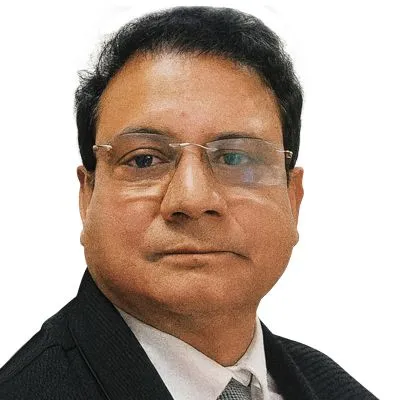
The Kerala Maritime Board is currently engaged in discussions with vessel operators regarding the potential reinstatement of short sea shipping. This initiative involves offering special incentives to both Exim trade and vessel operators. Shine A.Haq, the CEO of KMB, highlighted that the lack of draft at the minor ports of Beypore and Azheekal poses a significant obstacle to attracting new services. He mentioned that KMB plans to organize trade meets aimed at understanding the needs of the trading community and ensuring the provision of necessary space at various minor ports.

These remarks were made during a joint session hosted by the Centre of Excellence in Logistics & Supply Chain Management, organized by NIT Calicut in collaboration with the Kerala Exporters Forum, as part of the flagship programme PM Gati Shakthi. Hameedali, the President of KEF, requested government initiatives to revive coastal shipping services in order to alleviate road congestion, reduce carbon emissions, and mitigate road accidents. Concerns were raised about the non-availability of empty boxes for exports from Beypore, as well as the high ocean freight rates and handling charges at Cochin Port. The Exporters? forum submitted a representation to the Centre urging for reductions in both air and sea freight rates.

Munshid Ali, the Secretary of the Kerala Exporters Forum, expressed concerns regarding the underutilization of facilities at minor ports and called upon the Maritime Board to initiate coastal services to facilitate Exim and domestic cargo movement through Beypore and Azheekal ports. Ashwin George, the Joint Commissioner of Customs in Cochin, informed attendees about the availability of Electronic Data Interchange (EDI) facilities at Beypore, Kollam, and Azheekal ports. He mentioned that benefits such as Remission of Duties and Taxes on Exported Products (RODTEP) and drawback returns could be availed for cargo moving through these ports. George encouraged trade and industries to utilize the faceless assessment systems and to register for Authorized Economic Operator (AEO) and Direct Port Delivery (DPD) status, emphasizing that this would significantly reduce both time and costs for Exim cargo.

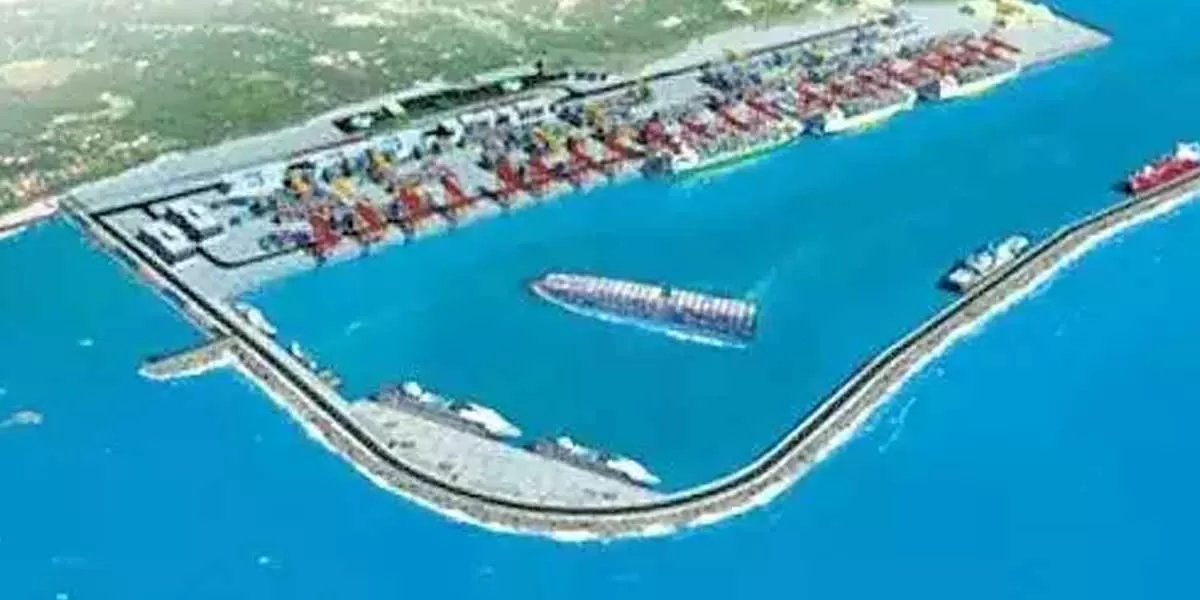
The two-hour session concluded on a positive note, with discussions about the upcoming Vizhinjam International Transhipment Port. It is anticipated that this port will enhance shipping line services, providing faster and more cost-effective options.

The Kerala Maritime Board is currently engaged in discussions with vessel operators regarding the potential reinstatement of short sea shipping. This initiative involves offering special incentives to both Exim trade and vessel operators. Shine A.Haq, the CEO of KMB, highlighted that the lack of draft at the minor ports of Beypore and Azheekal poses a significant obstacle to attracting new services. He mentioned that KMB plans to organize trade meets aimed at understanding the needs of the trading community and ensuring the provision of necessary space at various minor ports. These remarks were made during a joint session hosted by the Centre of Excellence in Logistics & Supply Chain Management, organized by NIT Calicut in collaboration with the Kerala Exporters Forum, as part of the flagship programme PM Gati Shakthi. Hameedali, the President of KEF, requested government initiatives to revive coastal shipping services in order to alleviate road congestion, reduce carbon emissions, and mitigate road accidents. Concerns were raised about the non-availability of empty boxes for exports from Beypore, as well as the high ocean freight rates and handling charges at Cochin Port. The Exporters? forum submitted a representation to the Centre urging for reductions in both air and sea freight rates. Munshid Ali, the Secretary of the Kerala Exporters Forum, expressed concerns regarding the underutilization of facilities at minor ports and called upon the Maritime Board to initiate coastal services to facilitate Exim and domestic cargo movement through Beypore and Azheekal ports. Ashwin George, the Joint Commissioner of Customs in Cochin, informed attendees about the availability of Electronic Data Interchange (EDI) facilities at Beypore, Kollam, and Azheekal ports. He mentioned that benefits such as Remission of Duties and Taxes on Exported Products (RODTEP) and drawback returns could be availed for cargo moving through these ports. George encouraged trade and industries to utilize the faceless assessment systems and to register for Authorized Economic Operator (AEO) and Direct Port Delivery (DPD) status, emphasizing that this would significantly reduce both time and costs for Exim cargo. The two-hour session concluded on a positive note, with discussions about the upcoming Vizhinjam International Transhipment Port. It is anticipated that this port will enhance shipping line services, providing faster and more cost-effective options.

Related Stories

Gold Stories
Next Story
Infrastructure Urban

Infrastructure Opportunity Outlook by IMPACCT.Info

India’s infrastructure pipeline is witnessing dynamic activity across stages — from immediate bidding to future planning. IMPACCT segments these into three categories: Immediate, 3–6 Month, and Future Opportunities, enabling businesses to identify, prepare, and participate in high-value tenders and projects across sectors.To read full article Click Here ..

Next Story
Real Estate

Glass, Reframed!

Glass façades, quintessential aesthetic building envelopes globally, have been widely adopted in India as well. But when the focus is high-performance building systems that deliver energy efficiency, comfort and architectural identity, glass isn’t the only preference. Combination solutions, involving glass and some other material, improve façade outcomes. Some combinations come at comparable prices, some at a higher price. Here is a selection of performance-oriented solutions...To read the full story Click Here ..

Next Story
Infrastructure Urban

Beyond Building Faster

India’s cities are expanding at an unprecedented pace, bringing new infrastructure and development opportunities while also intensifying challenges around mobility, public spaces, liveability and supporting infrastructure. The question, therefore, is not simply whether India can build faster, but whether it can build cities that work better.At a CW webinar, Are We Designing Better Cities – or Just Building Faster?, moderator Ar. Samir Shaikh, Founding Principal, AR&UD Studio, brought together perspectives from design, development, master planning and technology...To read the full artic..

Advertisement

Subscribe to Our Newsletter

Get daily newsletters around different themes from Construction world.

STAY CONNECTED

Advertisement

SPECIAL OFFER
QR Code