Modi Cabinet Reshuffle: Key Appointments
PORTS & SHIPPING

Modi Cabinet Reshuffle: Key Appointments

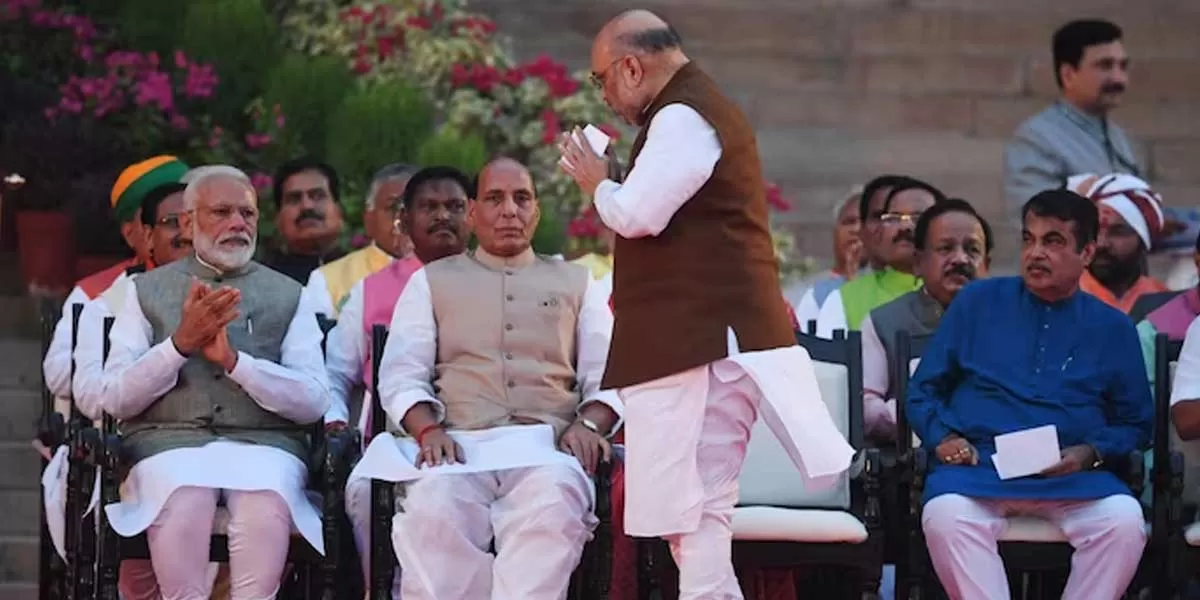
Prime Minister Narendra Modi has implemented significant changes in his cabinet, reflecting the government's strategic focus on diverse portfolios. Sarbananda Sonowal, former Assam Chief Minister, has been appointed as the Minister of Ports, Shipping, and Waterways, signaling a strong emphasis on maritime infrastructure. This reshuffle is part of Modi's broader strategy to streamline governance and enhance administrative efficiency.

Key Appointments and Strategic Shifts

Sarbananda Sonowal's appointment underscores the government's intention to boost India's maritime capabilities, focusing on port modernization, shipping industry growth, and waterways development. This move aligns with the Sagarmala initiative, aimed at port-led development. Sonowal, known for his administrative acumen, is expected to drive significant progress in these sectors.

Focus on Governance and Efficiency

The cabinet reshuffle involves a mix of experienced leaders and fresh faces, indicating a balanced approach to governance. Key figures have been repositioned to optimize their strengths and expertise. The reshuffle aims to address current challenges, such as economic recovery post-pandemic, infrastructure development, and social welfare enhancement.

Enhanced Port and Shipping Sector

With Sonowal at the helm, the Ministry of Ports, Shipping, and Waterways is poised for transformative changes. The focus will likely be on improving port infrastructure, enhancing connectivity, and promoting the shipping industry. This aligns with India's vision to become a global maritime hub, leveraging its strategic geographic location.

Broader Implications for Economic Growth

The reshuffle is expected to have broader implications for India's economic growth. Enhanced maritime infrastructure can boost trade, create jobs, and stimulate regional development. The government's strategic appointments reflect a commitment to driving economic progress through targeted policy measures and efficient administration.

Conclusion

The Modi cabinet reshuffle represents a strategic move to bolster governance, enhance administrative efficiency, and drive economic growth. With key appointments like Sarbananda Sonowal in crucial ministries, the government is poised to address contemporary challenges and leverage new opportunities. This reshuffle underscores the Modi administration's focus on delivering robust, inclusive growth and strengthening India's global standing.

Prime Minister Narendra Modi has implemented significant changes in his cabinet, reflecting the government's strategic focus on diverse portfolios. Sarbananda Sonowal, former Assam Chief Minister, has been appointed as the Minister of Ports, Shipping, and Waterways, signaling a strong emphasis on maritime infrastructure. This reshuffle is part of Modi's broader strategy to streamline governance and enhance administrative efficiency. Key Appointments and Strategic Shifts Sarbananda Sonowal's appointment underscores the government's intention to boost India's maritime capabilities, focusing on port modernization, shipping industry growth, and waterways development. This move aligns with the Sagarmala initiative, aimed at port-led development. Sonowal, known for his administrative acumen, is expected to drive significant progress in these sectors. Focus on Governance and Efficiency The cabinet reshuffle involves a mix of experienced leaders and fresh faces, indicating a balanced approach to governance. Key figures have been repositioned to optimize their strengths and expertise. The reshuffle aims to address current challenges, such as economic recovery post-pandemic, infrastructure development, and social welfare enhancement. Enhanced Port and Shipping Sector With Sonowal at the helm, the Ministry of Ports, Shipping, and Waterways is poised for transformative changes. The focus will likely be on improving port infrastructure, enhancing connectivity, and promoting the shipping industry. This aligns with India's vision to become a global maritime hub, leveraging its strategic geographic location. Broader Implications for Economic Growth The reshuffle is expected to have broader implications for India's economic growth. Enhanced maritime infrastructure can boost trade, create jobs, and stimulate regional development. The government's strategic appointments reflect a commitment to driving economic progress through targeted policy measures and efficient administration. Conclusion The Modi cabinet reshuffle represents a strategic move to bolster governance, enhance administrative efficiency, and drive economic growth. With key appointments like Sarbananda Sonowal in crucial ministries, the government is poised to address contemporary challenges and leverage new opportunities. This reshuffle underscores the Modi administration's focus on delivering robust, inclusive growth and strengthening India's global standing.

Next Story
Infrastructure Urban

Implementation Status of Jal Jeevan Mission

Since August 2019 the Government has implemented Jal Jeevan Mission to provide assured potable water through household tap connections in rural India. At the start of the mission only 32.3 million (mn) rural households, representing 16.7 per cent, were reported to have tap water connections. States and union territories have reported that 125.8 mn additional rural households have since been provided with tap connections. As a result, of about 193.6 mn rural households roughly 158.2 mn, or 81.71 per cent, are reported to have tap water supply at home.\n\nThe State, district and village level st..

Next Story
Infrastructure Urban

Jal Jeevan Mission Reaches Eighty One Per Cent Rural Coverage

The Government reported substantial progress under the Jal Jeevan Mission, launched in August 2019 to provide tap water to every rural household. At launch only 32.3 million (mn) rural households had tap connections and states and Union territories reported provision of 125.8 mn additional households by March 2026. Consequently, out of about 193.6 mn rural households around 158.2 mn, or 81.71 per cent, are reported to have tap water at home. The Finance Minister announced extension of the mission until 2028 in the 2025-26 budget speech. The Swachh Bharat Mission Grameen, launched in October 20..

Next Story
Infrastructure Urban

Empowering Local Governance for Sustainable Rural Water Supply

The Ministry of Jal Shakti has aligned the Jal Jeevan Mission (JJM) with the 73rd Amendment to strengthen village level planning and community ownership of water supply. Gram Panchayats, village water and sanitation committees and Pani Samitis are to plan, implement, manage and maintain piped water systems, with gram sabha processes formalising handover and oversight. Implementation support agencies including non government organisations, community based organisations and self help groups have been empanelled to train local committees and promote women participation. Under JJM, the department ..

Advertisement

Subscribe to Our Newsletter

Get daily newsletters around different themes from Construction world.

STAY CONNECTED

Advertisement

Advertisement

Advertisement