SECL Crafts S-400 Model from Scrap to Honour Operation Sindoor
DEFENSE

SECL Crafts S-400 Model from Scrap to Honour Operation Sindoor

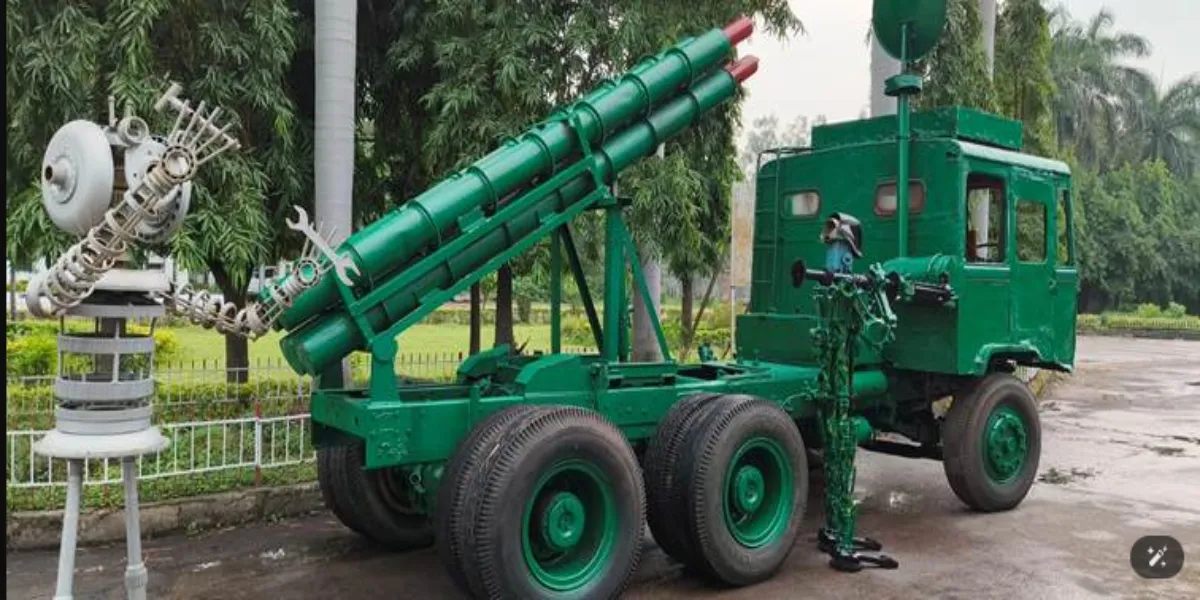
South Eastern Coalfields Limited (SECL), a Miniratna subsidiary of Coal India Limited (CIL), has paid tribute to Operation Sindoor by creating a large-scale model of the S-400 missile launcher system and a robotic soldier, both crafted entirely from industrial scrap. The initiative forms part of the ongoing Special Campaign 5.0 (Swachhata Hi Seva).

The installation, developed by the Central Excavation Workshop (CEWS), Gevra, showcases the campaign’s “Waste to Wealth” theme through SECL’s flagship initiative, “Kabad Se Kalakriti.” The artwork symbolises India’s defence prowess, technological advancement, and commitment to sustainability, demonstrating how creativity can transform waste into expressions of national pride.

Constructed using approximately 800 kilograms of metal scrap, including surveyed-off chassis, steel pipes, and iron components, the project was completed in just ten days by a dedicated team of SECL engineers, officers, and technicians. The combined display of the S-400 launcher and a futuristic robotic soldier serves as a powerful emblem of India’s defence preparedness and innovation-driven future.

By transforming industrial waste into patriotic art, SECL has reinforced the objectives of the Swachh Bharat Abhiyan, promoting recycling, sustainability, and a circular economy. The initiative not only encourages resource efficiency but also instils a sense of pride among employees and visitors.

Across its headquarters and operational zones, SECL also organised waste-to-art competitions for employees and their families, motivating them to repurpose discarded materials into creative artworks that raise awareness about environmental conservation and waste management.

Each year, SECL celebrates “Kabad Se Kalakriti” with renewed enthusiasm, producing meaningful scrap-based artworks that reflect its ongoing commitment to cleanliness, sustainability, and national pride.

In earlier campaigns, SECL’s Jamuna Kotma Area had crafted scrap-based statues for public display under Special Campaign 3.0, which garnered nationwide attention. Similarly, under Special Campaign 4.0, the Korba Area created a statue of Mahatma Gandhi entirely from industrial scrap.

Through such creative efforts, SECL continues to set an example of how industrial innovation and environmental responsibility can go hand in hand in building a cleaner, greener, and more inspired India.

South Eastern Coalfields Limited (SECL), a Miniratna subsidiary of Coal India Limited (CIL), has paid tribute to Operation Sindoor by creating a large-scale model of the S-400 missile launcher system and a robotic soldier, both crafted entirely from industrial scrap. The initiative forms part of the ongoing Special Campaign 5.0 (Swachhata Hi Seva). The installation, developed by the Central Excavation Workshop (CEWS), Gevra, showcases the campaign’s “Waste to Wealth” theme through SECL’s flagship initiative, “Kabad Se Kalakriti.” The artwork symbolises India’s defence prowess, technological advancement, and commitment to sustainability, demonstrating how creativity can transform waste into expressions of national pride. Constructed using approximately 800 kilograms of metal scrap, including surveyed-off chassis, steel pipes, and iron components, the project was completed in just ten days by a dedicated team of SECL engineers, officers, and technicians. The combined display of the S-400 launcher and a futuristic robotic soldier serves as a powerful emblem of India’s defence preparedness and innovation-driven future. By transforming industrial waste into patriotic art, SECL has reinforced the objectives of the Swachh Bharat Abhiyan, promoting recycling, sustainability, and a circular economy. The initiative not only encourages resource efficiency but also instils a sense of pride among employees and visitors. Across its headquarters and operational zones, SECL also organised waste-to-art competitions for employees and their families, motivating them to repurpose discarded materials into creative artworks that raise awareness about environmental conservation and waste management. Each year, SECL celebrates “Kabad Se Kalakriti” with renewed enthusiasm, producing meaningful scrap-based artworks that reflect its ongoing commitment to cleanliness, sustainability, and national pride. In earlier campaigns, SECL’s Jamuna Kotma Area had crafted scrap-based statues for public display under Special Campaign 3.0, which garnered nationwide attention. Similarly, under Special Campaign 4.0, the Korba Area created a statue of Mahatma Gandhi entirely from industrial scrap. Through such creative efforts, SECL continues to set an example of how industrial innovation and environmental responsibility can go hand in hand in building a cleaner, greener, and more inspired India.

Next Story
Equipment

Schwing Stetter India Unveils New Innovations at Excon 2025

Schwing Stetter India unveiled more than 20 new machines at Excon 2025, marking one of its most significant showcases and introducing several India-first technologies to the construction equipment sector. The company launched the country’s first 56-metre boom pump designed and manufactured in India, the first fully electric truck mixer, the first CNG mixer variant and the first hybrid boom pump. Executives said the launch portfolio was engineered to support India’s move toward faster, greener and more vertically oriented infrastructure through advanced engineering, clean-energy solutions a..

Next Story
Infrastructure Energy

SEPC Resolves Hindustan Copper Dispute, Wins Rs 725 Mn Order

Engineering, procurement and construction firm SEPC Ltd has recently settled a dispute with Hindustan Copper Ltd (HCL) and secured a mining infrastructure order valued at Rs 725 million from the state-owned company. SEPC informed the stock exchanges that it has executed a settlement deed with HCL, bringing closure to all inter-se claims and counterclaims arising from arbitration proceedings. As part of the settlement, SEPC will receive Rs 304.5 million as full and final payment, marking the resolution of all pending disputes between the two entities. The company also stated that Hindustan Co..

Next Story
Infrastructure Energy

20% Ethanol Blending Cuts India’s CO2 Emissions by 73.6 Mn Tonnes

Union Road Transport and Highways Minister Nitin Gadkari recently said that India has reduced carbon dioxide emissions by 73.6 million metric tonnes due to the adoption of 20 per cent ethanol blending in petrol. He made the statement while replying to supplementary questions during the Question Hour in the Lok Sabha. Describing ethanol as a green fuel, the minister said it plays a key role in reducing pollution while also supporting higher incomes for farmers. He underlined that ethanol blending contributes both to environmental sustainability and rural economic growth. Nitin Gadkari also po..

Advertisement

Subscribe to Our Newsletter

Get daily newsletters around different themes from Construction world.

STAY CONNECTED

Advertisement

Advertisement

Advertisement

Advertisement

Open In App