Bangladesh Court Halts Adani Arbitration Pending Probe
ECONOMY & POLICY

Bangladesh Court Halts Adani Arbitration Pending Probe

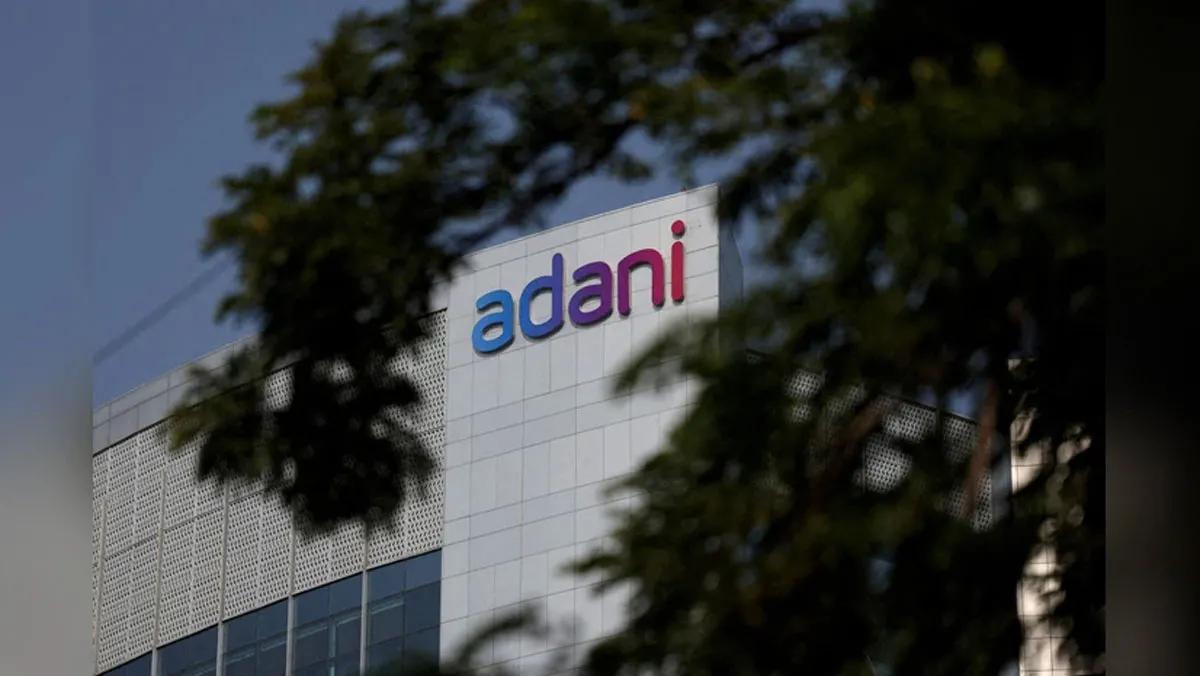
Bangladesh’s High Court on Thursday ordered India’s Adani Group to halt its planned international arbitration in Singapore over a payment dispute with the state-run Bangladesh Power Development Board (BPDB). The suspension will remain in place until an investigation into Adani’s power supply agreement is completed.

Court officials said a two-judge bench directed that arbitration be paused until a committee appointed by the court submits its findings on the power purchase agreement and any potential irregularities. The order followed a petition seeking judicial intervention to review and scrap the BPDB–Adani deal, which the petitioner described as “one-sided” and signed during the tenure of former prime minister Sheikh Hasina.

The petition argued that Adani’s tariff was significantly higher than regional benchmarks — with electricity from Indian state-owned firms priced at 5.5 taka per unit, from other private Indian firms at 8.5 taka, and from Nepal at 8 taka, compared with more than 14 taka per unit for Adani’s supply.

The injunction comes even as BPDB and Adani continue negotiations over payment disputes. Bangladesh’s interim administration led by Professor Muhammad Yunus has previously accused Adani of breaching the power purchase agreement by withholding tax benefits received for the Godda plant in India. Bangladesh paid Adani 14.87 taka (USD 0.122) per unit in the fiscal year ending 30 June 2024 — well above the 9.57 taka average paid to other Indian suppliers.

Earlier this month, Adani Power said it had opted for international arbitration to resolve disagreements over unpaid dues under the 2017 contract. “There are disagreements in the way certain cost elements are calculated and billed… both partners have agreed to invoke the dispute resolution process,” an Adani spokesperson said.

Bangladesh’s energy adviser, Muhammad Fouzul Kabir Khan, confirmed that negotiations were ongoing and suggested arbitration could still be an option, but the High Court order has temporarily blocked that route. Petitioner Abdul Kaiyum argued that allowing arbitration to proceed before the investigative report is released would undermine the inquiry’s significance.

Adani Power supplies electricity from its 1,600-megawatt coal-fired Godda plant in eastern India, which meets nearly one-tenth of Bangladesh’s total power demand.

Bangladesh’s High Court on Thursday ordered India’s Adani Group to halt its planned international arbitration in Singapore over a payment dispute with the state-run Bangladesh Power Development Board (BPDB). The suspension will remain in place until an investigation into Adani’s power supply agreement is completed. Court officials said a two-judge bench directed that arbitration be paused until a committee appointed by the court submits its findings on the power purchase agreement and any potential irregularities. The order followed a petition seeking judicial intervention to review and scrap the BPDB–Adani deal, which the petitioner described as “one-sided” and signed during the tenure of former prime minister Sheikh Hasina. The petition argued that Adani’s tariff was significantly higher than regional benchmarks — with electricity from Indian state-owned firms priced at 5.5 taka per unit, from other private Indian firms at 8.5 taka, and from Nepal at 8 taka, compared with more than 14 taka per unit for Adani’s supply. The injunction comes even as BPDB and Adani continue negotiations over payment disputes. Bangladesh’s interim administration led by Professor Muhammad Yunus has previously accused Adani of breaching the power purchase agreement by withholding tax benefits received for the Godda plant in India. Bangladesh paid Adani 14.87 taka (USD 0.122) per unit in the fiscal year ending 30 June 2024 — well above the 9.57 taka average paid to other Indian suppliers. Earlier this month, Adani Power said it had opted for international arbitration to resolve disagreements over unpaid dues under the 2017 contract. “There are disagreements in the way certain cost elements are calculated and billed… both partners have agreed to invoke the dispute resolution process,” an Adani spokesperson said. Bangladesh’s energy adviser, Muhammad Fouzul Kabir Khan, confirmed that negotiations were ongoing and suggested arbitration could still be an option, but the High Court order has temporarily blocked that route. Petitioner Abdul Kaiyum argued that allowing arbitration to proceed before the investigative report is released would undermine the inquiry’s significance. Adani Power supplies electricity from its 1,600-megawatt coal-fired Godda plant in eastern India, which meets nearly one-tenth of Bangladesh’s total power demand.

Next Story
Infrastructure Transport

Delhi Airport to Finalise 20-Year Master Plan

Delhi International Airport Ltd (DIAL) is finalising a 20-year master plan to guide long term infrastructure and operational development at Indira Gandhi International Airport, an official said. The operator expects the plan to reflect changes in the airline industry, shifts in the competitive landscape and evolving infrastructure requirements across terminals, airside and support services. The official said the document is likely to be ready in the next two to two-and-a-half months as the operator moves through planning stages. The plan will be prepared after consultations with airport users ..

Next Story
Real Estate

Aadhar Housing Finance Targets Rs 500 bn AUM By FY29

Aadhar Housing Finance has set a target to raise its asset under management to Rs 500 billion (bn) by the end of FY29, aiming to achieve this over the next three financial years through an 18-20 per cent loan growth trajectory. The firm focuses on the low-income segment with a ticket size of less than Rs 1.5 million (mn) and has relied on that segment to drive expansion. The company closed FY26 with an AUM of Rs 305.71 bn, reflecting the expansion in recent years, and it reported a net profit rise of 22 per cent to Rs 11.08 bn. Management indicated that gross non-performing assets stood at 1.0..

Next Story
Infrastructure Energy

Government to Launch Coal Gasification Urea Policy

The government will unveil a coal gasification based policy for urea production within one month, aiming to promote the use of domestic coal feedstock in synthetic fertiliser manufacture. The move seeks to enhance self reliance in fertiliser supply and to provide an alternative route to natural gas based synthesis. Officials said the policy will set out technical standards, permitting norms and incentives for projects that adopt coal gasification technology. It will aim to attract investments from both public sector undertakings and private manufacturers. The scheme will address logistical and..

Advertisement

Subscribe to Our Newsletter

Get daily newsletters around different themes from Construction world.

STAY CONNECTED

Advertisement

Advertisement

Advertisement