+
Uttarakhand Gets Rs 1 Billion Incentive For Mining Reforms
COAL & MINING

Uttarakhand Gets Rs 1 Billion Incentive For Mining Reforms

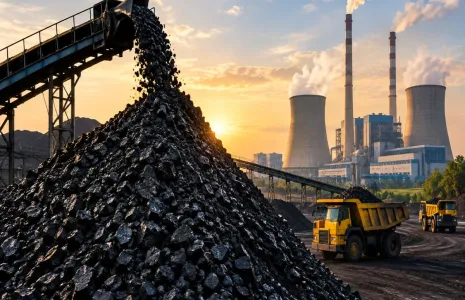
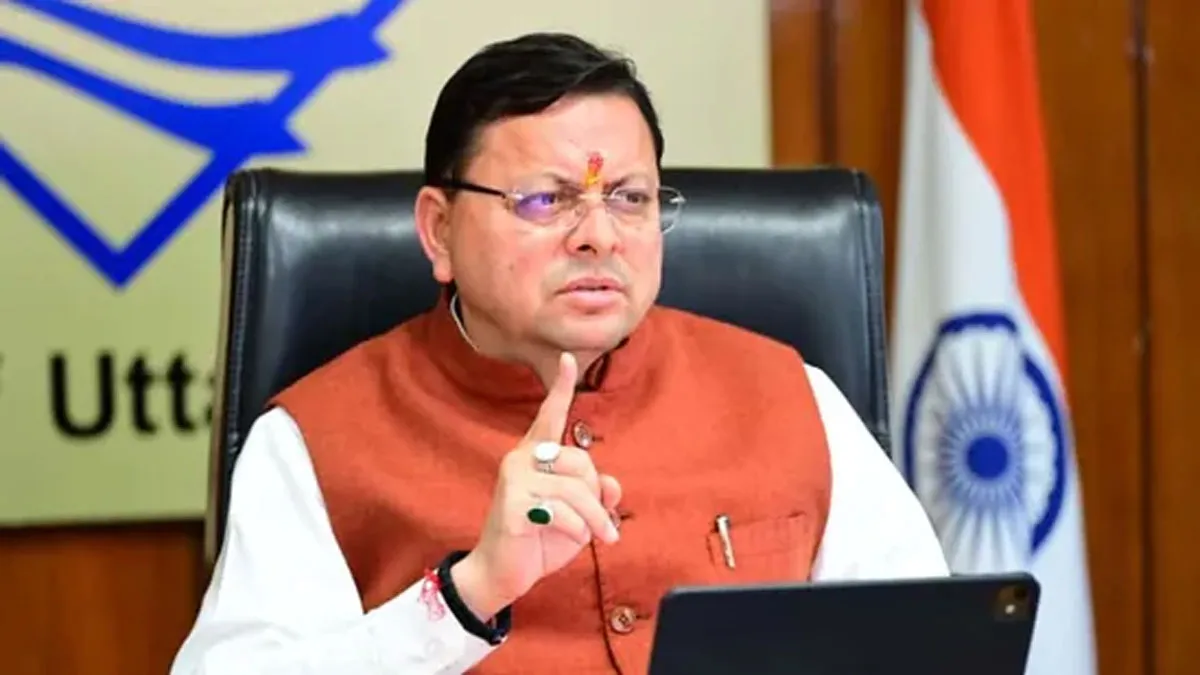
The Central Government has approved an incentive of Rs 1 billion for Uttarakhand for meeting several reform-linked targets in the mining sector for the 2025–26 financial year. The allocation, issued under the Special Assistance Scheme, follows the state’s performance in implementing reforms related to minor minerals.

According to an Office Memorandum dated 18 November, Uttarakhand met six of the seven major criteria assessed during the latest review. These included transparency measures, regulatory efficiency, monitoring systems and reforms aimed at streamlining mining operations. The state was evaluated alongside Nagaland and Jammu & Kashmir, securing the highest score among the three.

This is the second incentive Uttarakhand has received within a year. In October 2025, the Ministry of Mines released Rs 1 billion to the state for achieving second place in the Sustainable Mining Reforms Index (SMRI). With the latest allocation, the total incentive received for mining-related reforms this year stands at Rs 2 billion.

Officials said the incentive forms part of a broader central initiative to encourage states to adopt standardised processes, improve revenue management and introduce technology-led monitoring in the mining sector. The reforms tracked under the scheme include measures to curb illegal mining, use of satellite and digital surveillance, strengthening of district-level committees and transparent material allocation systems such as e-auctions.

State government data shows that revenue from mining-related activities has risen in recent years, partly due to tighter monitoring and digitisation. Officials noted that these improvements have enhanced regulatory oversight, reduced procedural delays and improved access to construction materials in certain regions.

The Centre’s review highlighted that states are increasingly adopting reforms to improve accountability and public access to mineral-related information. Uttarakhand’s compliance with most reform requirements contributed to the incentive decision. The funds will be released by the Ministry of Finance following procedural approvals.

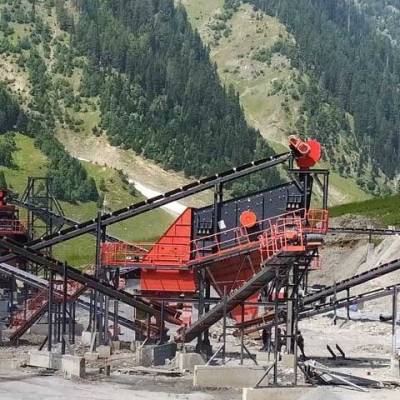
While the mining sector remains a key source of state revenue, officials emphasised the need to balance extraction with environmental safeguards, particularly in ecologically sensitive hill regions. Uttarakhand continues to expand satellite-based monitoring and real-time tracking systems to detect illegal mining and ensure compliance with permissible limits.

The state government said the latest funding will support ongoing administrative and regulatory improvements in the sector, with further details to be shared once the funds are formally released.

The Central Government has approved an incentive of Rs 1 billion for Uttarakhand for meeting several reform-linked targets in the mining sector for the 2025–26 financial year. The allocation, issued under the Special Assistance Scheme, follows the state’s performance in implementing reforms related to minor minerals. According to an Office Memorandum dated 18 November, Uttarakhand met six of the seven major criteria assessed during the latest review. These included transparency measures, regulatory efficiency, monitoring systems and reforms aimed at streamlining mining operations. The state was evaluated alongside Nagaland and Jammu & Kashmir, securing the highest score among the three. This is the second incentive Uttarakhand has received within a year. In October 2025, the Ministry of Mines released Rs 1 billion to the state for achieving second place in the Sustainable Mining Reforms Index (SMRI). With the latest allocation, the total incentive received for mining-related reforms this year stands at Rs 2 billion. Officials said the incentive forms part of a broader central initiative to encourage states to adopt standardised processes, improve revenue management and introduce technology-led monitoring in the mining sector. The reforms tracked under the scheme include measures to curb illegal mining, use of satellite and digital surveillance, strengthening of district-level committees and transparent material allocation systems such as e-auctions. State government data shows that revenue from mining-related activities has risen in recent years, partly due to tighter monitoring and digitisation. Officials noted that these improvements have enhanced regulatory oversight, reduced procedural delays and improved access to construction materials in certain regions. The Centre’s review highlighted that states are increasingly adopting reforms to improve accountability and public access to mineral-related information. Uttarakhand’s compliance with most reform requirements contributed to the incentive decision. The funds will be released by the Ministry of Finance following procedural approvals. While the mining sector remains a key source of state revenue, officials emphasised the need to balance extraction with environmental safeguards, particularly in ecologically sensitive hill regions. Uttarakhand continues to expand satellite-based monitoring and real-time tracking systems to detect illegal mining and ensure compliance with permissible limits. The state government said the latest funding will support ongoing administrative and regulatory improvements in the sector, with further details to be shared once the funds are formally released.

Next Story
Infrastructure Urban

India Strengthens National Space Infrastructure In 2025

The Indian Space Research Organisation (ISRO) reported key advances in national launch and space infrastructure in 2025. The SPADEX mission demonstrated autonomous docking and undocking with power transfer and completed circumnavigation, making India the fourth nation to demonstrate docking in space. The PSLV Orbital Experimental Module (POEM-04) carried multiple payloads from ISRO, startups and academia, completed over 1,000 orbits and demonstrated a robotic arm and seed germination. GSLV-F15/NVS-02 was the 100th mission to lift off from Sriharikota and injected its satellite precisely to th..

Next Story
Infrastructure Urban

India Advances Space Insurance And Debris Mitigation

Different types of space insurance products are available in India and are offered by Indian insurers in collaboration with global insurers, re-insurers, underwriters and brokers, allowing private entities the freedom to obtain appropriate cover for the activities they undertake. The Government encourages such entities to secure adequate insurance to address risks associated with high-value, capital-intensive space projects. Insurers and re-insurers worldwide commonly distribute risk among themselves for such complex ventures. The Indian Space Research Organisation (ISRO) has established the ..

Next Story
Infrastructure Urban

ECI To Host National Conference Of State Election Commissioners

The Election Commission of India (ECI) will host a National Conference of the State Election Commissioners (SECs) on February 24, 2026, at the Bharat Mandapam in New Delhi. State Election Commissioners of all 36 States and UTs are expected to attend the conference along with their legal and technical experts. Chief Electoral Officers (CEOs) of the ECI from all 36 States and UTs will also be present. The National SEC Conference is being convened after a gap of over 25 years, the previous meeting having been held in 1999. The Chief Election Commissioner (CEC), Gyanesh Kumar, will chair the conf..

Advertisement

Subscribe to Our Newsletter

Get daily newsletters around different themes from Construction world.

STAY CONNECTED

Advertisement

Advertisement

Advertisement

Open In App