



Navi Mumbai To Set Up India’s First Waste-To-Art Lab
SMART CITIES

Navi Mumbai To Set Up India’s First Waste-To-Art Lab

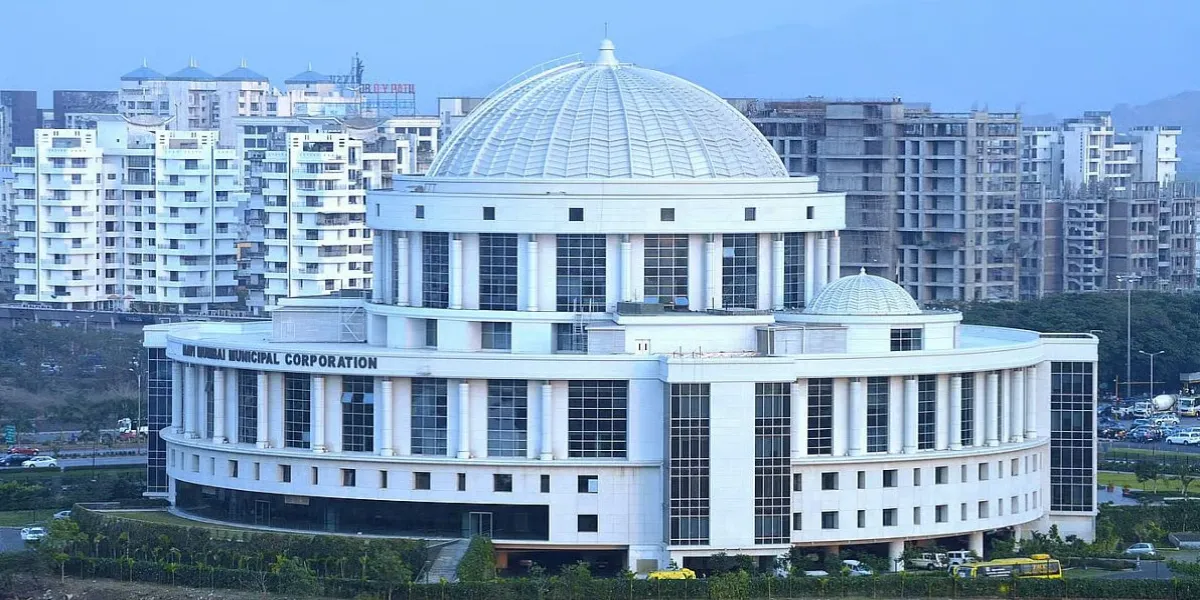
Navi Mumbai is set to make history with the creation of India’s first Waste-to-Art Lab at CBD Belapur, under the Navi Mumbai Municipal Corporation’s (NMMC) solid waste management initiative. The Upcycling Art Training Centre will process around 200 tonnes of dry waste each month, transforming discarded materials into artistic sculptures that will beautify public spaces across the city.

“Navi Mumbai has always been a pioneer in solid waste management and innovative recycling,” said Dr Kailas Shinde, NMMC Commissioner. “This lab will not only help manage waste efficiently but also foster creativity and environmental awareness.”

Located beneath the Sector 21 flyover in CBD Belapur, the facility is part of the city’s ongoing innovation and sustainability drive. “The corporation will provide the required infrastructure, while the contractor will install baling machines and other equipment for processing,” explained Dr Ajay Gadade, Deputy Commissioner, Solid Waste Management Department.

He added that the sculptures created from recycled waste will be displayed in parks, public squares, and city landmarks. The NMMC will also organise workshops, awareness sessions, and lectures for schools, colleges, residential societies, and corporate organisations to promote citizen participation in waste management.

Officials said the waste used at the facility will be purchased directly from sanitation workers and waste pickers, ensuring both sustainable processing and income support for those involved in the city’s waste ecosystem.

Navi Mumbai has previously implemented several innovative recycling projects, including composting biodegradable waste, producing industrial fuel pellets from plastic, creating coir ropes and cocopeat from coconut husks, and manufacturing paver blocks from construction debris. The city also hosts India’s first old clothes recycling project.

The Waste-to-Art Lab is expected to further enhance Navi Mumbai’s reputation as a leader in sustainability and creative waste management, blending environmental responsibility with urban aesthetics.

Navi Mumbai is set to make history with the creation of India’s first Waste-to-Art Lab at CBD Belapur, under the Navi Mumbai Municipal Corporation’s (NMMC) solid waste management initiative. The Upcycling Art Training Centre will process around 200 tonnes of dry waste each month, transforming discarded materials into artistic sculptures that will beautify public spaces across the city. “Navi Mumbai has always been a pioneer in solid waste management and innovative recycling,” said Dr Kailas Shinde, NMMC Commissioner. “This lab will not only help manage waste efficiently but also foster creativity and environmental awareness.” Located beneath the Sector 21 flyover in CBD Belapur, the facility is part of the city’s ongoing innovation and sustainability drive. “The corporation will provide the required infrastructure, while the contractor will install baling machines and other equipment for processing,” explained Dr Ajay Gadade, Deputy Commissioner, Solid Waste Management Department. He added that the sculptures created from recycled waste will be displayed in parks, public squares, and city landmarks. The NMMC will also organise workshops, awareness sessions, and lectures for schools, colleges, residential societies, and corporate organisations to promote citizen participation in waste management. Officials said the waste used at the facility will be purchased directly from sanitation workers and waste pickers, ensuring both sustainable processing and income support for those involved in the city’s waste ecosystem. Navi Mumbai has previously implemented several innovative recycling projects, including composting biodegradable waste, producing industrial fuel pellets from plastic, creating coir ropes and cocopeat from coconut husks, and manufacturing paver blocks from construction debris. The city also hosts India’s first old clothes recycling project. The Waste-to-Art Lab is expected to further enhance Navi Mumbai’s reputation as a leader in sustainability and creative waste management, blending environmental responsibility with urban aesthetics.

Next Story
Equipment

Schwing Stetter India Unveils New Innovations at Excon 2025

Schwing Stetter India unveiled more than 20 new machines at Excon 2025, marking one of its most significant showcases and introducing several India-first technologies to the construction equipment sector. The company launched the country’s first 56-metre boom pump designed and manufactured in India, the first fully electric truck mixer, the first CNG mixer variant and the first hybrid boom pump. Executives said the launch portfolio was engineered to support India’s move toward faster, greener and more vertically oriented infrastructure through advanced engineering, clean-energy solutions a..

Next Story
Infrastructure Energy

SEPC Resolves Hindustan Copper Dispute, Wins Rs 725 Mn Order

Engineering, procurement and construction firm SEPC Ltd has recently settled a dispute with Hindustan Copper Ltd (HCL) and secured a mining infrastructure order valued at Rs 725 million from the state-owned company. SEPC informed the stock exchanges that it has executed a settlement deed with HCL, bringing closure to all inter-se claims and counterclaims arising from arbitration proceedings. As part of the settlement, SEPC will receive Rs 304.5 million as full and final payment, marking the resolution of all pending disputes between the two entities. The company also stated that Hindustan Co..

Next Story
Infrastructure Energy

20% Ethanol Blending Cuts India’s CO2 Emissions by 73.6 Mn Tonnes

Union Road Transport and Highways Minister Nitin Gadkari recently said that India has reduced carbon dioxide emissions by 73.6 million metric tonnes due to the adoption of 20 per cent ethanol blending in petrol. He made the statement while replying to supplementary questions during the Question Hour in the Lok Sabha. Describing ethanol as a green fuel, the minister said it plays a key role in reducing pollution while also supporting higher incomes for farmers. He underlined that ethanol blending contributes both to environmental sustainability and rural economic growth. Nitin Gadkari also po..

Advertisement

Subscribe to Our Newsletter

Get daily newsletters around different themes from Construction world.

STAY CONNECTED

Advertisement

Advertisement

Advertisement

Advertisement

Open In App