Saharanpur Smart City Advances Integrated Urban Development
SMART CITIES

Saharanpur Smart City Advances Integrated Urban Development

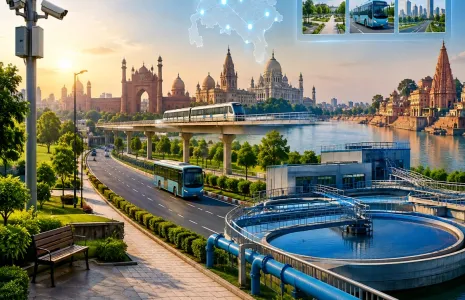
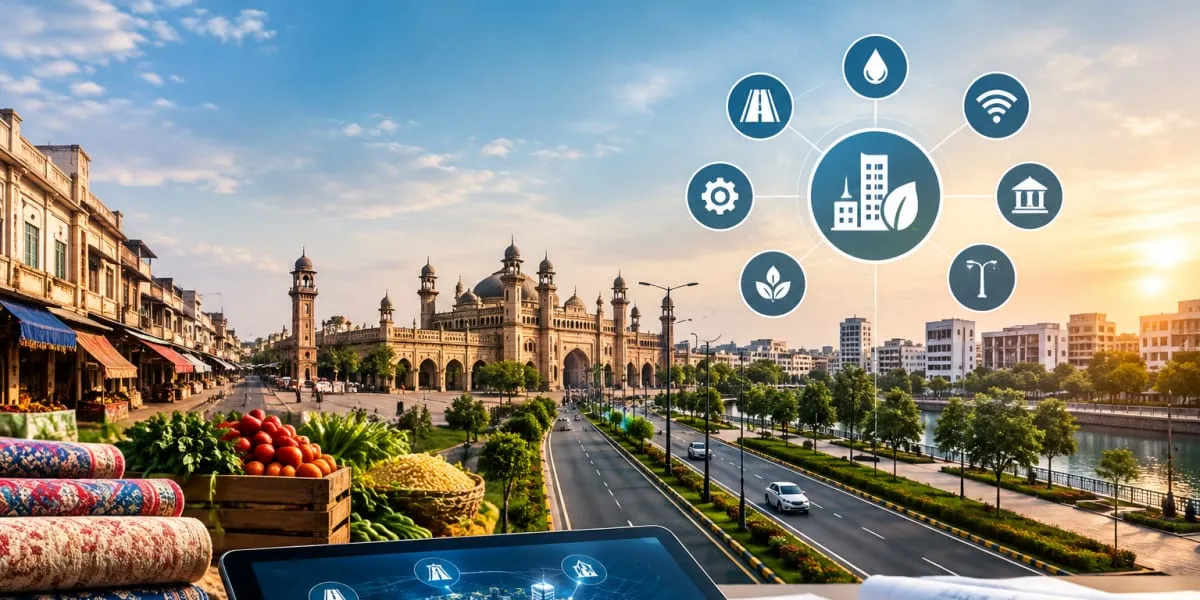
Saharanpur is reshaping its historic commercial identity through a Smart City programme combining roads, utilities, digital governance, public amenities and support for traditional industries. As of March 1, 2026, 113 of the city’s 115 projects had been completed, involving investment of Rs. 12.35 bn. The remaining two projects, valued at Rs. 570 mn, were under implementation.

The programme is being delivered in an established urban economy shaped by traditional markets, agricultural trade and Saharanpur’s globally recognised wood-carving industry. This has created pressures including congestion, limited parking, stressed sanitation, inadequate drainage and rising expectations for public services. The intervention has therefore focused on upgrading an active commercial centre rather than developing a new urban district.

Implementation accelerated from November 2024, when 96 completed projects worth Rs. 8.8 bn had been reported. The project portfolio includes smart and internal roads, water supply, sewerage, underground electrification, bridges across the Paondhoi River, commercial-area improvements, a proposed multi-level car park and a convention hall. These works are intended to connect mobility, utilities and public activity more closely.

Technology forms a second layer of the transformation. The Integrated Command and Control Centre, Integrated Traffic Management System, city surveillance, e-governance and GIS portal are designed to improve monitoring and administrative coordination. Public-facing projects include solid-waste-management equipment, bio-composting machines, rejuvenation of nine parks, solar lighting, smart classrooms, a digital library, Smart Health ATMs and improvements to sports facilities.

The economic dimension remains linked to wood carving, a craft with a history of around 400 years. The One District, One Product programme supports skills, product development, marketing, finance and employment, while e-commerce and branding offer routes to wider markets. District economic output is reported at around Rs. 208.31 bn, with activity spanning agriculture, manufacturing, trade, services and MSMEs. The next phase will depend on maintaining completed assets, updating digital systems and demonstrating improvements in service quality and public use.

Saharanpur is reshaping its historic commercial identity through a Smart City programme combining roads, utilities, digital governance, public amenities and support for traditional industries. As of March 1, 2026, 113 of the city’s 115 projects had been completed, involving investment of Rs. 12.35 bn. The remaining two projects, valued at Rs. 570 mn, were under implementation. The programme is being delivered in an established urban economy shaped by traditional markets, agricultural trade and Saharanpur’s globally recognised wood-carving industry. This has created pressures including congestion, limited parking, stressed sanitation, inadequate drainage and rising expectations for public services. The intervention has therefore focused on upgrading an active commercial centre rather than developing a new urban district. Implementation accelerated from November 2024, when 96 completed projects worth Rs. 8.8 bn had been reported. The project portfolio includes smart and internal roads, water supply, sewerage, underground electrification, bridges across the Paondhoi River, commercial-area improvements, a proposed multi-level car park and a convention hall. These works are intended to connect mobility, utilities and public activity more closely. Technology forms a second layer of the transformation. The Integrated Command and Control Centre, Integrated Traffic Management System, city surveillance, e-governance and GIS portal are designed to improve monitoring and administrative coordination. Public-facing projects include solid-waste-management equipment, bio-composting machines, rejuvenation of nine parks, solar lighting, smart classrooms, a digital library, Smart Health ATMs and improvements to sports facilities. The economic dimension remains linked to wood carving, a craft with a history of around 400 years. The One District, One Product programme supports skills, product development, marketing, finance and employment, while e-commerce and branding offer routes to wider markets. District economic output is reported at around Rs. 208.31 bn, with activity spanning agriculture, manufacturing, trade, services and MSMEs. The next phase will depend on maintaining completed assets, updating digital systems and demonstrating improvements in service quality and public use.

Related Stories

Gold Stories

Next Story
Infrastructure Urban

Welspun One unveils Diwali campaign for World Trade Center Thane

Welspun One has unveiled A Dream Diwali, a festive brand film promoting World Trade Center Thane, its proposed mixed-use development in the Mumbai Metropolitan Region (MMR). The campaign uses individual interpretations of an ideal Diwali to introduce the experiences and offerings planned at the development.The film follows different characters as they share their festive wishes and go about activities such as shopping, meeting friends, playing games and spending time with family. Through these everyday moments, the campaign presents the idea that celebrations are personal and that different ge..
Next Story
Equipment

BorgWarner secures three turbocharger contracts with global powertrain leader

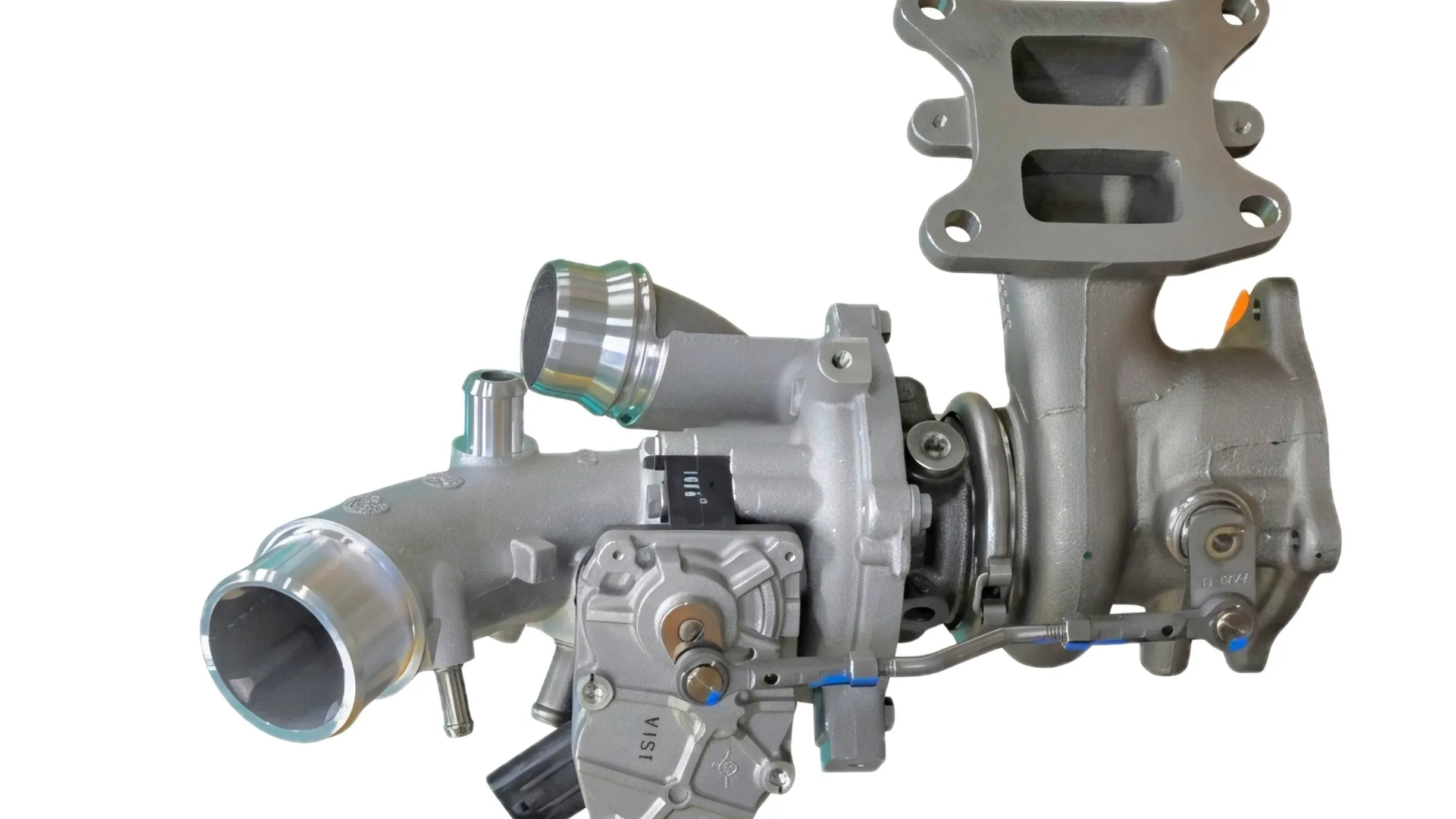
BorgWarner has secured three new turbocharger contracts with a global powertrain technology company. The wins comprise one contract for its variable turbine geometry (VTG) turbocharger and two for its wastegate turbocharger. The technologies will be deployed in the customer's light-vehicle gasoline platforms in South America and Europe, with production scheduled to begin in 2027.The VTG turbochargers are designed for gasoline engines operating under demanding conditions and high-boost pressure requirements. They are engineered to support Miller-cycle engines and withstand exhaust temperatures ..

Next Story
Infrastructure Transport

International Digi Yatra Trials Begin at Seven Airports

India has begun trials of Digi Yatra for international passengers at seven airports, allowing eligible Indian passport holders to use facial recognition at selected airport checkpoints. The facility is currently limited to Indian nationals with e-passports travelling on selected international flights operated by Air India and IndiGo. The Civil Aviation Ministry announced the trials on 1 November, with testing scheduled through December 2026. A wider rollout is expected in 2027 after the ministry assesses passenger feedback gathered during the trial period, according to PTI. The system is inten..

Advertisement

Subscribe to Our Newsletter

Get daily newsletters around different themes from Construction world.

STAY CONNECTED

Advertisement

SPECIAL OFFER
QR Code