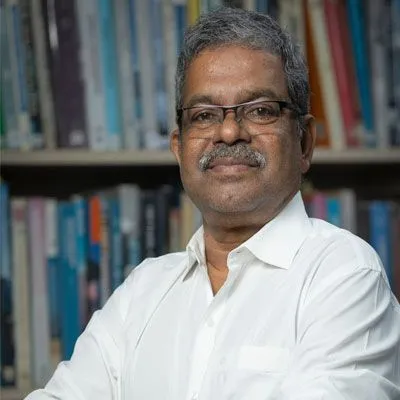
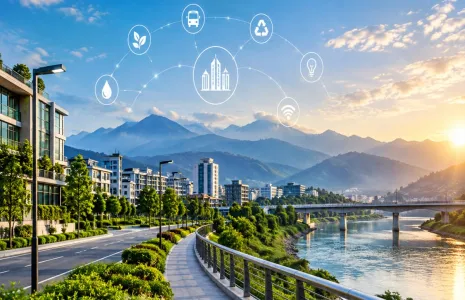
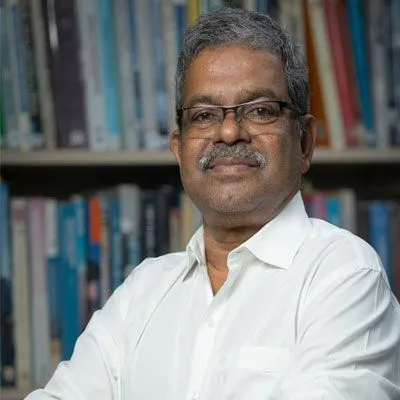
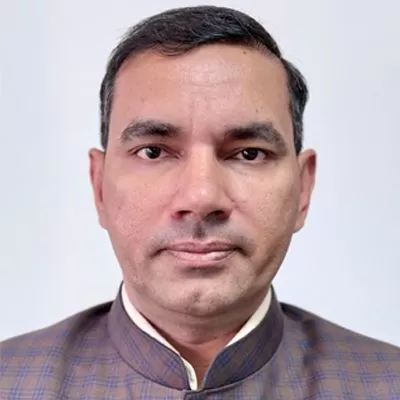
India’s cities are expanding at an unprecedented pace, bringing new infrastructure and development opportunities while also intensifying challenges around mobility, public spaces, liveability and supporting infrastructure. The question, therefore, is not simply whether India can build faster, but whether it can build cities that work better.At a CW webinar, Are We Designing Better Cities – or Just Building Faster?, moderator Ar. Samir Shaikh, Founding Principal, AR&UD Studio, brought together perspectives from design, development, master planning and technology. Ar. Shama Chanekar, Head of Design and Senior Vice President, Brigade Group; Navneet Kaur Manku, Head of Business, HAACE – Tailor-Made Bespoke Construction; Jitesh Brahmkshatriya, Head – Masterplanning Navbharat, ANDPL; and Vijay Jha, Founder and Chief Business Officer, Zenalyst, explored how people-centric design, predictive planning, collaboration and AI can influence the next phase of urban development. A common thread ran through the discussion: Successful cities must be shaped around the experience of their people, rather than infrastructure or construction speed alone.Designing for peopleWhat makes a city successful? For Manku, two fundamental qualities are desirability across generations and accessibility. If residents need a car or two-wheeler even for short distances, or cannot walk safely through their neighbourhoods, the quality of the urban environment needs to be questioned. Chanekar recalled a development in Arizona where parking had been moved away from the central area, creating a pedestrian-friendly space that could accommodate weekly markets, children's play areas and multigenerational activity. Schools, hospitals and other daily amenities were also within walking distance, creating a cohesive environment to live, work and play. For Brahmkshatriya, the issue goes beyond physical infrastructure. “It’s not about how glossy the city looks or how the skyline is,” he said, emphasising the experience of people living in it. He cited Copenhagen, where cycling, shared streets and spaces for children contribute to a more comprehensive urban environment. Indian cities, he suggested, have lost some of these qualities in the rush to build more and build faster. The implication is clear: Urban development needs to move beyond visual impact towards everyday usability. Walkability, safety, accessibility and proximity to essential amenities need to become fundamental measures of urban success.From appearance to performanceThis shift is also evident in changing client expectations. According to Manku, clients are increasingly looking beyond what a project looks like and asking about performance, durability, wellness and long-term value. A project must do more than make an impression when it opens; it needs to perform over time. Chanekar sees a similar change in the development brief. The focus is no longer limited to the quantum of development or the appearance of a building. Sustainability, materials, quality, operations and the user's experience are becoming integral to design decisions. Even questions such as whether a child can safely walk to a park are increasingly relevant. This has also brought supporting infrastructure closer to the centre of the design process. Road networks, treatment plants, water recycling and rainwater harvesting are no longer considerations that can be addressed later. They need to work alongside architecture and planning if developments are to remain liveable and sustainable over the long term. The result is a broader definition of design: one that considers not only what a development looks like, but how it functions and ages.Infrastructure before growthThe conversation became more critical when it moved from individual developments to the scale of cities.Brahmkshatriya identified a recurring problem in Indian urbanisation: Cities can outgrow their infrastructure. Development may take place in locations where roads, water and other services are not yet available, leaving infrastructure to catch up later. He also pointed to announcement-led development and speculative land acquisition as factors that can encourage development ahead of supporting infrastructure. His answer is predictive, data-driven and future-ready master planning. Infrastructure needs to be planned ahead of development rather than continually retrofitted afterwards. In his view, economic considerations remain important, but announcements and investments should follow proper infrastructure and master planning rather than precede them. This is where the distinction between growth and development becomes important. Shaikh pointed out that growth can be organic, unplanned and chaotic, whereas development implies greater intent and planning. The challenge for Indian cities is to ensure that rapid growth is accompanied by deliberate development. For Brahmkshatriya, neither infrastructure-led development nor development-led infrastructure should operate in isolation. Both need to be guided by a clear vision. That vision should translate into tangible outcomes — such as enabling a differently abled person to use public transport independently or allowing a child to walk safely to school. AI and better decisionsTechnology could provide another important link between fragmented planning systems and better urban decision-making.Jha argued that AI's value lies not simply in automation but in connecting fragmented datasets held by different stakeholders. Planning, traffic, utilities, land records, finance and other datasets can be brought together to identify relationships and support decisions. AI, he suggested, can help cities move from understanding what has happened to determining what should happen next. This becomes particularly relevant for decisions that are expensive and difficult to reverse. Instead of taking months to assess a single scenario, AI could help planners examine multiple possibilities involving population growth, traffic congestion, flood risk, costs and other variables. Such scenario modelling could support faster and more evidence-based decisions. However, the discussion did not position AI as a substitute for human intelligence. Technology can process data at scale, but people still need to establish the vision, interpret the information and determine the desired outcome. The opportunity lies in combining computational capability with human judgement.People, profit and policyUltimately, better cities cannot be delivered by any one stakeholder.Brahmkshatriya argued for stronger collaboration between government, planners, developers and communities. Predictive planning can help identify infrastructure and public spaces around future developments, while collaboration can ensure that these spaces remain accessible rather than being limited to individual developments. He framed the equation as ‘People, Profit and Policy’. Economic viability is necessary to keep development moving, but people must remain at its core and policy must provide the framework that aligns these interests. This also puts responsibility on citizens. Better urban environments cannot be achieved solely through government action or developer initiatives if citizens do not demand better connectivity, walkability and basic infrastructure. As Brahmkshatriya put it, citizens need to become more active in getting things to work. For Jha, this ecosystem could be supported through three elements: trusted data, an open platform that brings citizens, developers and planners together, and a decision-making layer that uses this information for better master planning and urban living. The discussion ultimately reframed the original question. The choice is not between building quickly and designing thoughtfully. The opportunity is to make speed, design, infrastructure, economics, technology and governance work together.For India's cities, progress will therefore need to be measured not only by how fast they grow, but how well they work.Key takeawaysPut people first: Walkability, accessibility, safety and lived experience should shape urban design. Plan before building: Infrastructure must anticipate development rather than continually catch up with it. Design for the long term: Projects need to prioritise performance, durability and sustainability beyond inauguration. Use AI for decisions: Connected data and scenario modelling can support faster, evidence-based urban planning. Align people, profit and policy: Better cities require collaboration between citizens, developers, planners and government.- KAVITA PARAB