Smart Infrastructure in MMR and Making of Future-Ready Cities
SMART CITIES

Smart Infrastructure in MMR and Making of Future-Ready Cities

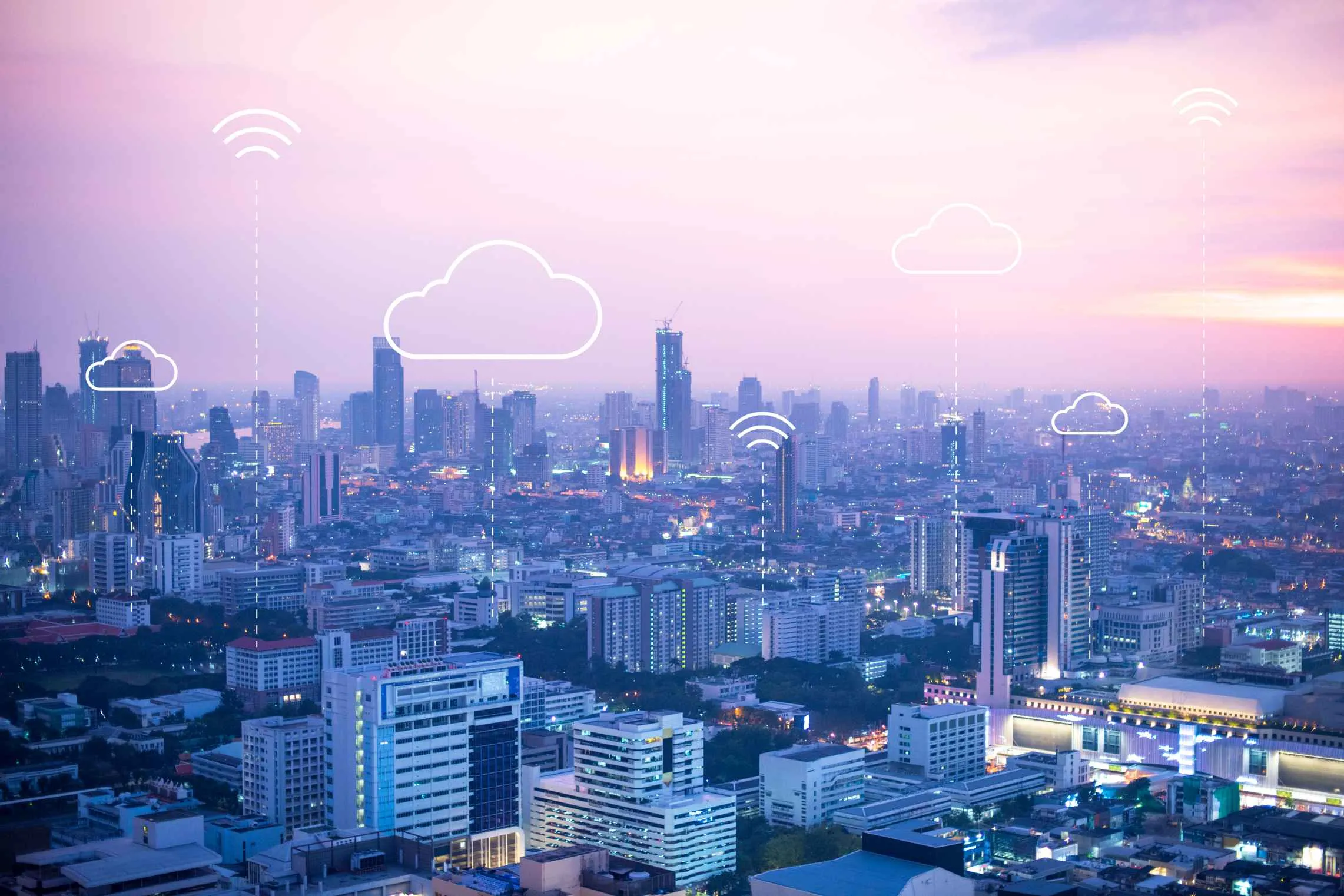
The Mumbai Metropolitan Region (MMR) stands at a defining moment in its urban evolution. As India’s financial capital expands beyond its traditional boundaries, the region is rapidly transitioning into a multi-nodal, infrastructure-led growth engine. What is driving this transformation is not just scale, but the strategic integration of smart infrastructure enabled by technologies such as real-time data systems, IoT networks, and Integrated Command and Control Centres that allow seamless monitoring, faster decision-making, and coordinated urban management designed to enhance mobility, sustainability, and long-term resilience.

The most compelling evidence of this shift is the scale of recent investments. In the 2026–27 financial year, the Mumbai Metropolitan Region Development Authority (MMRDA) announced a record outlay of over Rs 48,000 crore its first surplus budget in nearly a decade with nearly 87% allocated to infrastructure development. This marks a significant increase from the previous year and signals a clear policy focus: infrastructure is no longer a support function; it is the backbone of regional growth.

A large share of this investment is being channelled into expanding MMR’s metro network, which is emerging as the spine of urban mobility. Over Rs 13,800 crore has been earmarked for metro expansion alone in 2026–27. Today, the Mumbai Metro ecosystem is evolving into a dense, multi-line network connecting key residential and commercial nodes from Dahisar to Andheri, Thane to Kalyan, and beyond. Lines such as the 16.5 km Red Line (Line 7) and the upcoming 23+ km corridors under construction highlight the scale and ambition of this expansion.

This metro-led transformation is already reshaping commuting patterns. Increased train frequency, higher speeds up to 80 kmph on operational corridors and improved last-mile connectivity are reducing travel times and enhancing productivity. More importantly, it is catalysing transit-oriented development (TOD), unlocking new real estate micro-markets across Thane, Mira-Bhayander, Navi Mumbai, and Kalyan.

Beyond metro rail, MMR is embracing a truly multimodal approach to mobility, with roads, elevated corridors, tunnels, and suburban rail upgrades progressing together. With over ₹12,800 crore allocated for roads and elevated corridors and  Rs 5,500 crore for tunnels in the 2026–27 budget, these solutions address Mumbai’s space constraints effectively. Elevated roads ease surface congestion through faster, signal-free travel, while tunnels provide direct, all-weather connectivity by bypassing choke points. This improved connectivity is driving real estate momentum, with rising demand and development activity across key micro-markets like Thane, Navi Mumbai, and Kalyan.

Equally significant is the renewed focus on suburban rail. Under the Mumbai Urban Transport Project (MUTP),  Rs 4,535 crore has been allocated in FY27 nearly 20% higher than the previous year to enhance rail capacity, improve station infrastructure, and introduce new air-conditioned trains. This integrated investment across metro and rail systems is improving commuter comfort through reduced overcrowding, better station amenities, and climate-controlled travel, while also enhancing accessibility by enabling smoother interchanges, wider network coverage, and more reliable, time-efficient daily commutes across the region.

The Mumbai 3.0 initiative, backed by a  Rs 4,000 crore allocation, aims to develop new growth centres such as Karnala-Sai-Chirner, Pen, and Kharbav. These emerging hubs are designed to decentralise economic activity, reduce pressure on core Mumbai, and create self-sustaining urban ecosystems. This marks a critical shift from a monocentric city model to a distributed, polycentric urban region.

Future-ready infrastructure is also anchored in improving urban efficiency and resilience. Investments in mass transit are expected to ease congestion by reducing dependence on private vehicles, while infrastructure planning is increasingly focused on long-term functionality through better stormwater systems, green mobility solutions, and more efficient land use planning ensuring the region is better equipped to handle future urban challenges.

Technology is reshaping the Mumbai Metropolitan Region through intelligent transport systems, real-time data, and integrated command centres that enhance efficiency and responsiveness. Bodies like the Brihanmumbai Municipal Corporation and Mumbai Metropolitan Region Development Authority use AI-led traffic management and centralized monitoring, while systems such as the Mumbai Metro and apps like M-Indicator enable smoother, real-time commuting making urban infrastructure increasingly adaptive.

Importantly, infrastructure is also redefining economic geography. New business districts such as Wadala and emerging corridors along metro lines are attracting commercial investments, driven by improved connectivity and land monetisation strategies. This is creating a more balanced urban development pattern, where growth is no longer concentrated in a few pockets but distributed across the region.

Yet, as we build for the future, inclusivity must remain central. Smart infrastructure must serve all segments of society ensuring equitable access to transport, housing, and urban services. The true measure of a future-ready city is not just efficiency, but how seamlessly it improves quality of life for its people.

MMR’s infrastructure story is one of ambition, scale, and strategic clarity. With record investments, integrated planning, and a strong emphasis on sustainability and technology, the region is setting new benchmarks for urban development in India. Smart infrastructure is not just shaping the physical landscape of MMR it is laying the foundation for cities that are resilient, inclusive, and truly future-ready.

The article is authored by Ayushi Ashar, Director, Ashar Group; Founder & CEO, Ashar Urban Futures Lab; and Managing Committee Member, CREDAI-MCHI.


The Mumbai Metropolitan Region (MMR) stands at a defining moment in its urban evolution. As India’s financial capital expands beyond its traditional boundaries, the region is rapidly transitioning into a multi-nodal, infrastructure-led growth engine. What is driving this transformation is not just scale, but the strategic integration of smart infrastructure enabled by technologies such as real-time data systems, IoT networks, and Integrated Command and Control Centres that allow seamless monitoring, faster decision-making, and coordinated urban management designed to enhance mobility, sustainability, and long-term resilience.The most compelling evidence of this shift is the scale of recent investments. In the 2026–27 financial year, the Mumbai Metropolitan Region Development Authority (MMRDA) announced a record outlay of over Rs 48,000 crore its first surplus budget in nearly a decade with nearly 87% allocated to infrastructure development. This marks a significant increase from the previous year and signals a clear policy focus: infrastructure is no longer a support function; it is the backbone of regional growth.A large share of this investment is being channelled into expanding MMR’s metro network, which is emerging as the spine of urban mobility. Over Rs 13,800 crore has been earmarked for metro expansion alone in 2026–27. Today, the Mumbai Metro ecosystem is evolving into a dense, multi-line network connecting key residential and commercial nodes from Dahisar to Andheri, Thane to Kalyan, and beyond. Lines such as the 16.5 km Red Line (Line 7) and the upcoming 23+ km corridors under construction highlight the scale and ambition of this expansion.This metro-led transformation is already reshaping commuting patterns. Increased train frequency, higher speeds up to 80 kmph on operational corridors and improved last-mile connectivity are reducing travel times and enhancing productivity. More importantly, it is catalysing transit-oriented development (TOD), unlocking new real estate micro-markets across Thane, Mira-Bhayander, Navi Mumbai, and Kalyan.Beyond metro rail, MMR is embracing a truly multimodal approach to mobility, with roads, elevated corridors, tunnels, and suburban rail upgrades progressing together. With over ₹12,800 crore allocated for roads and elevated corridors and  Rs 5,500 crore for tunnels in the 2026–27 budget, these solutions address Mumbai’s space constraints effectively. Elevated roads ease surface congestion through faster, signal-free travel, while tunnels provide direct, all-weather connectivity by bypassing choke points. This improved connectivity is driving real estate momentum, with rising demand and development activity across key micro-markets like Thane, Navi Mumbai, and Kalyan.Equally significant is the renewed focus on suburban rail. Under the Mumbai Urban Transport Project (MUTP),  Rs 4,535 crore has been allocated in FY27 nearly 20% higher than the previous year to enhance rail capacity, improve station infrastructure, and introduce new air-conditioned trains. This integrated investment across metro and rail systems is improving commuter comfort through reduced overcrowding, better station amenities, and climate-controlled travel, while also enhancing accessibility by enabling smoother interchanges, wider network coverage, and more reliable, time-efficient daily commutes across the region.The Mumbai 3.0 initiative, backed by a  Rs 4,000 crore allocation, aims to develop new growth centres such as Karnala-Sai-Chirner, Pen, and Kharbav. These emerging hubs are designed to decentralise economic activity, reduce pressure on core Mumbai, and create self-sustaining urban ecosystems. This marks a critical shift from a monocentric city model to a distributed, polycentric urban region.Future-ready infrastructure is also anchored in improving urban efficiency and resilience. Investments in mass transit are expected to ease congestion by reducing dependence on private vehicles, while infrastructure planning is increasingly focused on long-term functionality through better stormwater systems, green mobility solutions, and more efficient land use planning ensuring the region is better equipped to handle future urban challenges.Technology is reshaping the Mumbai Metropolitan Region through intelligent transport systems, real-time data, and integrated command centres that enhance efficiency and responsiveness. Bodies like the Brihanmumbai Municipal Corporation and Mumbai Metropolitan Region Development Authority use AI-led traffic management and centralized monitoring, while systems such as the Mumbai Metro and apps like M-Indicator enable smoother, real-time commuting making urban infrastructure increasingly adaptive.Importantly, infrastructure is also redefining economic geography. New business districts such as Wadala and emerging corridors along metro lines are attracting commercial investments, driven by improved connectivity and land monetisation strategies. This is creating a more balanced urban development pattern, where growth is no longer concentrated in a few pockets but distributed across the region.Yet, as we build for the future, inclusivity must remain central. Smart infrastructure must serve all segments of society ensuring equitable access to transport, housing, and urban services. The true measure of a future-ready city is not just efficiency, but how seamlessly it improves quality of life for its people.MMR’s infrastructure story is one of ambition, scale, and strategic clarity. With record investments, integrated planning, and a strong emphasis on sustainability and technology, the region is setting new benchmarks for urban development in India. Smart infrastructure is not just shaping the physical landscape of MMR it is laying the foundation for cities that are resilient, inclusive, and truly future-ready.The article is authored by Ayushi Ashar, Director, Ashar Group; Founder & CEO, Ashar Urban Futures Lab; and Managing Committee Member, CREDAI-MCHI.
Next Story
Real Estate

Vestian reports 36% drop in construction activity in Q1

Vestian reported a 36 per cent quarter-on-quarter decline in new office completions to 9.7 million sq ft in Q1 2026, marking the lowest level in the past four quarters amid the West Asia crisis.The slowdown was led by cities such as Bengaluru, Hyderabad and Mumbai, where developers adopted a cautious approach. Hyderabad saw the steepest drop, with completions falling 95 per cent to 0.3 million sq ft from 6.0 million sq ft in the previous quarter.Despite constrained supply, office absorption rose 20 per cent year-on-year to 21.53 million sq ft, driven by sustained demand from global capability ..

Next Story
Real Estate

fäm Properties reports 95% sales in Dubai 2026 supply

Data from DXBinteract shows that 41,015 of 43,217 units due this year have already been sold. Across the 2026–2029 pipeline, 71.45 per cent of 426,182 units have been committed, indicating sustained absorption levels.The analysis highlights strong demand across leading developers, with several reporting near or full sell-outs. Emaar and Meraas have sold over 99 per cent of their 2026 inventory, while Dubai Holding and Meydan projects are fully sold.Commenting on the trend, Firas Al Msaddi, CEO, fam Properties, said, “Dubai continues to demonstrate a level of forward demand that is structur..

Next Story
Equipment

EKKI Pumps launches Hori-Max sump pump range

EKKI Pumps has launched its Hori-Max range of horizontal multistage sump submersible pumps at Plumbex 2026 in Bengaluru.The new range, comprising Hori-Max S, Hori-Max SVR and Hori-Max M series, is designed for water transfer and boosting applications across residential, commercial, infrastructure and agricultural segments.The pumps feature a multistage horizontal design with high-efficiency components, including FG 250 cast iron diffusers and stainless steel impellers, enabling consistent pressure and improved hydraulic performance. A key capability is operation in shallow water conditions, wi..

Advertisement

Subscribe to Our Newsletter

Get daily newsletters around different themes from Construction world.

STAY CONNECTED

Advertisement

Advertisement

Advertisement