UP Limits EV Incentives To Locally Made And Registered Vehicles
SMART CITIES

UP Limits EV Incentives To Locally Made And Registered Vehicles

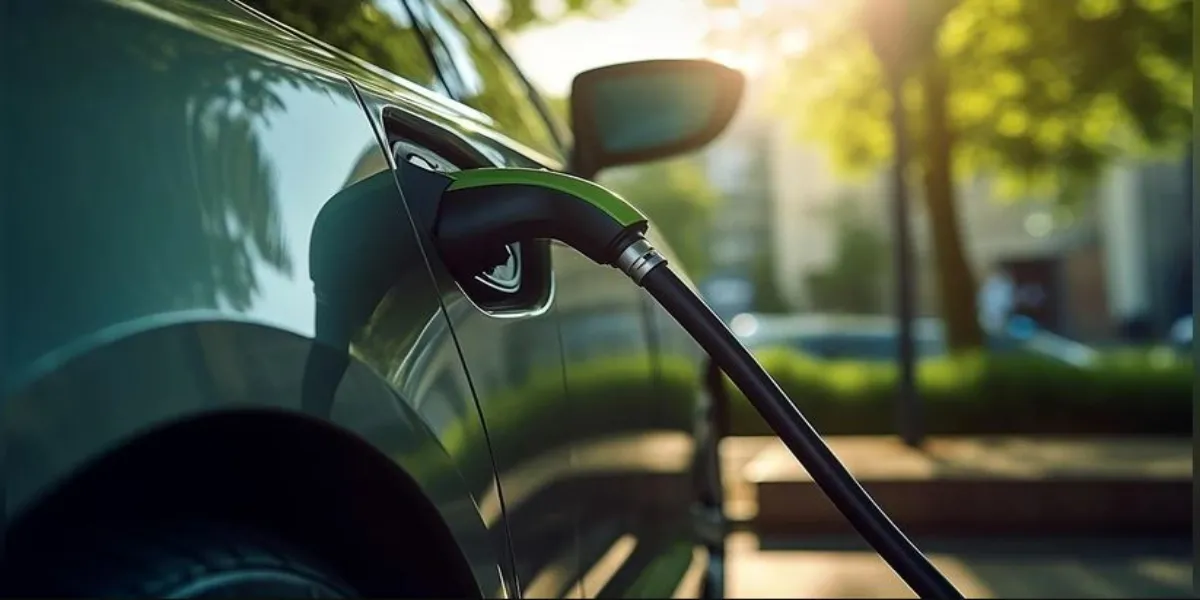
In a push to strengthen its electric vehicle (EV) ecosystem, the Uttar Pradesh government has decided to restrict EV incentives exclusively to vehicles that are both manufactured and registered within the state, effective from 14 October.

The move is part of the amended UP Electric Vehicle Manufacturing Policy 2022, designed to promote ‘Made in UP’ vehicles, generate local employment, and attract investment in both greenfield and brownfield EV plants. The revised policy will remain in force until 13 October 2027.

Under the updated framework, incentives will only apply to EVs produced, sold, and registered in Uttar Pradesh. Transport Commissioner B. N. Singh stated that the policy aims to consolidate the state’s position as a leading EV manufacturing hub.

Previously, the state provided incentives of up to Rs 2 million depending on the vehicle type — Rs 5,000 for two-wheelers, Rs 100,000 for four-wheelers and electric goods carriers, and Rs 2 million for buses. So far, 17,665 buyers have received subsidies, while 38,285 applications are still pending. The state has also disbursed around Rs 9.5 billion in subsidies to promote its electric mobility roadmap.

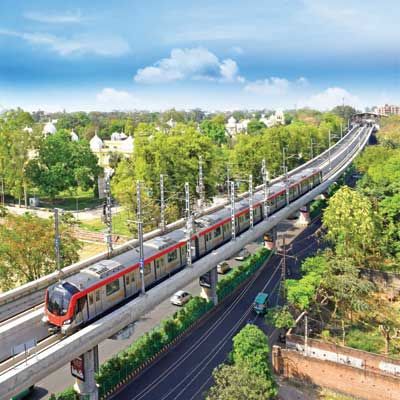
In FY25, Uttar Pradesh recorded 370,000 EV sales, overtaking Maharashtra (240,000), Karnataka (170,000), and Tamil Nadu (132,000). The UP State Road Transport Corporation (UPSRTC) aims to expand its bus fleet from 13,000 to 25,000 by 2027. To support this, electric depots equipped with 240 kW universal chargers are being established in eight cities.

Additionally, the state is developing 23 modern bus terminals through public-private partnerships, with 54 more terminals planned in the next phase — 50 of which are already under construction.

To strengthen EV infrastructure, the Uttar Pradesh State Industrial Development Authority (UPSIDA) has partnered with Central Electronics Limited (CEL) to establish EV charging stations in industrial zones, powered by renewable energy sources.

In a push to strengthen its electric vehicle (EV) ecosystem, the Uttar Pradesh government has decided to restrict EV incentives exclusively to vehicles that are both manufactured and registered within the state, effective from 14 October. The move is part of the amended UP Electric Vehicle Manufacturing Policy 2022, designed to promote ‘Made in UP’ vehicles, generate local employment, and attract investment in both greenfield and brownfield EV plants. The revised policy will remain in force until 13 October 2027. Under the updated framework, incentives will only apply to EVs produced, sold, and registered in Uttar Pradesh. Transport Commissioner B. N. Singh stated that the policy aims to consolidate the state’s position as a leading EV manufacturing hub. Previously, the state provided incentives of up to Rs 2 million depending on the vehicle type — Rs 5,000 for two-wheelers, Rs 100,000 for four-wheelers and electric goods carriers, and Rs 2 million for buses. So far, 17,665 buyers have received subsidies, while 38,285 applications are still pending. The state has also disbursed around Rs 9.5 billion in subsidies to promote its electric mobility roadmap. In FY25, Uttar Pradesh recorded 370,000 EV sales, overtaking Maharashtra (240,000), Karnataka (170,000), and Tamil Nadu (132,000). The UP State Road Transport Corporation (UPSRTC) aims to expand its bus fleet from 13,000 to 25,000 by 2027. To support this, electric depots equipped with 240 kW universal chargers are being established in eight cities. Additionally, the state is developing 23 modern bus terminals through public-private partnerships, with 54 more terminals planned in the next phase — 50 of which are already under construction. To strengthen EV infrastructure, the Uttar Pradesh State Industrial Development Authority (UPSIDA) has partnered with Central Electronics Limited (CEL) to establish EV charging stations in industrial zones, powered by renewable energy sources.

Next Story
Infrastructure Energy

Vedanta Aluminium Uses 1.57 bn Units of Green Energy in FY25

Vedanta Aluminium, India’s largest aluminium producer, recently reported consumption of 1.57 billion units of renewable energy in FY25, marking a significant milestone in its 2030 decarbonisation roadmap. The company also achieved an 8.96 per cent reduction in greenhouse gas (GHG) emissions intensity compared to FY21, reinforcing its leadership in India’s low-carbon manufacturing transition. During FY25, Vedanta Aluminium expanded its renewable energy portfolio through long-term power purchase agreements, strengthening its strategy to source nearly 1,500 MW of renewable power over the lon..

Next Story
Real Estate

Oberoi Group to Develop Luxury Resort at Makaibari Tea Estate

EIH Limited, the flagship company of The Oberoi Group, has announced the signing of a management agreement to develop an Oberoi luxury resort at the iconic Makaibari Tea Estate in Darjeeling. The project marks a key milestone in the Group’s long-term strategy of creating distinctive hospitality experiences in rare and environmentally significant locations. Established in 1859, Makaibari is one of the world’s oldest tea estates and is globally recognised for its Himalayan landscape, primary forests and exceptional biodiversity. Spread across 1,236 acres, the estate houses one of the world..

Next Story
Real Estate

GHV Infra Secures Rs 1.09 Bn EPC Order in Jamshedpur

GHV Infra Projects Ltd, a fast-growing EPC company in India’s infrastructure and construction sector, has recently secured a Rs 1.09 billion work order in Jamshedpur, Jharkhand. Awarded by a reputed group entity, the contract covers end-to-end civil construction, mechanical, electrical and plumbing (MEP) systems, along with high-quality finishing works for a large building development. The project will be executed over a 30-month period, with defined benchmarks for quality, safety and timely delivery. The order strengthens GHV Infra’s footprint in Jamshedpur, a key industrial hub known fo..

Advertisement

Subscribe to Our Newsletter

Get daily newsletters around different themes from Construction world.

STAY CONNECTED

Advertisement

Advertisement

Advertisement

Advertisement

Open In App