+
Panasonic Showcases Autonomous Factory Solutions at Productronica
WAREHOUSING & LOGISTICS

Panasonic Showcases Autonomous Factory Solutions at Productronica

Panasonic Smart Factory Solutions India (PSFSIN), a division of Panasonic Life Solutions India (PLSIND), recently showcased its advanced manufacturing solutions at Productronica India 2026 under the theme “Autonomous Factory – Skill-less Operations.”

The showcase highlighted Panasonic’s approach to enabling connected, intelligent and autonomous electronics manufacturing through an integrated portfolio of Surface Mount Technology (SMT) solutions, inspection systems, software and digital factory capabilities.

As India’s electronics manufacturing ecosystem moves towards higher production volumes and increasing product complexity, manufacturers are seeking solutions that can improve productivity, maintain consistent quality and reduce dependence on specialised manual skills. PSFSIN’s solutions address these requirements across factory automation, welding systems and digital factory solutions.

The portfolio serves industries including automotive, consumer electronics, telecom, industrial electronics, Electronics Manufacturing Services (EMS) and semiconductor manufacturing.

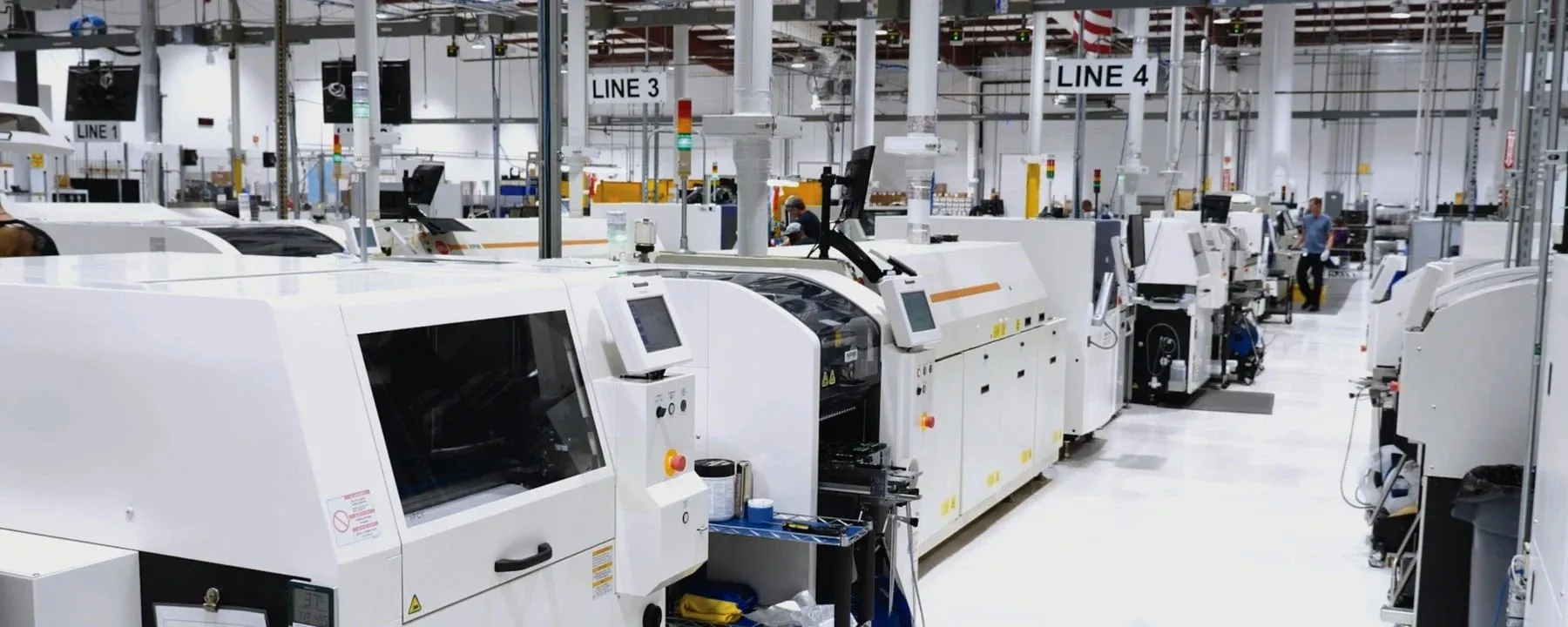
At Productronica India 2026, Panasonic demonstrated its SMT portfolio, including the NPM-GP/L, NPM-GH and NPM-TT2 modular placement machines. The showcase also featured an integrated manufacturing line comprising Koh Young AOI and SPI systems, TSM reflow ovens, and nozzle cleaning and inspection solutions.

The integrated line demonstrated how different manufacturing technologies can operate together to support efficient and connected production environments.

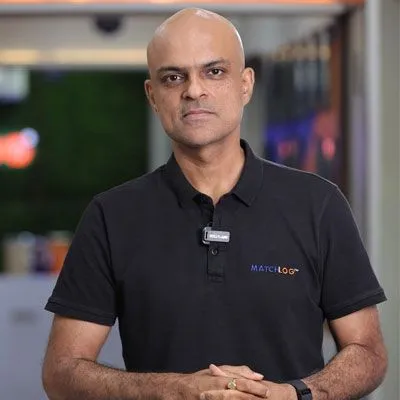
Speaking during the event, Mr. Vishal Dahiya, Director & Head – SSC, Panasonic Smart Factory Solutions India (PSFSIN), said:“India’s manufacturing landscape is entering a phase where the focus is shifting from simply increasing production capacity to building more intelligent, connected and resilient operations. As electronics and high-complexity manufacturing scale in the country, manufacturers are increasingly looking for solutions that can improve productivity while reducing skill dependency and maintaining consistent quality. At Panasonic, we are addressing this need by combining advanced automation with software-driven capabilities such as PanaCIM and IoT-enabled solutions to create more connected and data-driven shopfloors. Our focus is to help manufacturers achieve greater traceability, faster changeovers and more consistent output, while supporting the localisation of technology, software and service capabilities in India. This will be critical as India moves towards higher-value and more globally competitive manufacturing.”

The solutions showcased included the NPM-GP/L printer, designed for high-precision and high-speed printing; the NPM-GH mounter, which supports high-volume production with high placement accuracy; and the NPM-TT2, designed for high-mix, high-accuracy manufacturing requirements.

Together, the solutions demonstrate Panasonic’s capabilities across different production environments and manufacturing requirements.

Complementing its hardware portfolio, Panasonic also showcased its software and digital factory capabilities. PanaCIM enables real-time traceability and supports automated changeovers, while MirAIe ProFactory provides IoT-enabled capabilities for connected shopfloors and predictive analytics.

These solutions, along with Panasonic’s Operations & Maintenance services, are designed to help manufacturers improve operational visibility, optimise production processes and enhance overall equipment performance.

PSFSIN’s portfolio also extends beyond electronics manufacturing to welding solutions for the automotive, two-wheeler and construction equipment segments. Its digital factory solutions cover areas including traceability, warehouse management and SAP-integrated manufacturing platforms designed for Indian production environments.

With India strengthening its position as an electronics manufacturing and export hub, PSFSIN is focusing on supporting manufacturers through local technology, service and support capabilities. The company is also expanding its training and repair infrastructure to support faster implementation, improved operational efficiency and consistent quality standards.

Panasonic Smart Factory Solutions India (PSFSIN), a division of Panasonic Life Solutions India (PLSIND), recently showcased its advanced manufacturing solutions at Productronica India 2026 under the theme “Autonomous Factory – Skill-less Operations.”The showcase highlighted Panasonic’s approach to enabling connected, intelligent and autonomous electronics manufacturing through an integrated portfolio of Surface Mount Technology (SMT) solutions, inspection systems, software and digital factory capabilities.As India’s electronics manufacturing ecosystem moves towards higher production volumes and increasing product complexity, manufacturers are seeking solutions that can improve productivity, maintain consistent quality and reduce dependence on specialised manual skills. PSFSIN’s solutions address these requirements across factory automation, welding systems and digital factory solutions.The portfolio serves industries including automotive, consumer electronics, telecom, industrial electronics, Electronics Manufacturing Services (EMS) and semiconductor manufacturing.At Productronica India 2026, Panasonic demonstrated its SMT portfolio, including the NPM-GP/L, NPM-GH and NPM-TT2 modular placement machines. The showcase also featured an integrated manufacturing line comprising Koh Young AOI and SPI systems, TSM reflow ovens, and nozzle cleaning and inspection solutions.The integrated line demonstrated how different manufacturing technologies can operate together to support efficient and connected production environments.Speaking during the event, Mr. Vishal Dahiya, Director & Head – SSC, Panasonic Smart Factory Solutions India (PSFSIN), said:“India’s manufacturing landscape is entering a phase where the focus is shifting from simply increasing production capacity to building more intelligent, connected and resilient operations. As electronics and high-complexity manufacturing scale in the country, manufacturers are increasingly looking for solutions that can improve productivity while reducing skill dependency and maintaining consistent quality. At Panasonic, we are addressing this need by combining advanced automation with software-driven capabilities such as PanaCIM and IoT-enabled solutions to create more connected and data-driven shopfloors. Our focus is to help manufacturers achieve greater traceability, faster changeovers and more consistent output, while supporting the localisation of technology, software and service capabilities in India. This will be critical as India moves towards higher-value and more globally competitive manufacturing.”The solutions showcased included the NPM-GP/L printer, designed for high-precision and high-speed printing; the NPM-GH mounter, which supports high-volume production with high placement accuracy; and the NPM-TT2, designed for high-mix, high-accuracy manufacturing requirements.Together, the solutions demonstrate Panasonic’s capabilities across different production environments and manufacturing requirements.Complementing its hardware portfolio, Panasonic also showcased its software and digital factory capabilities. PanaCIM enables real-time traceability and supports automated changeovers, while MirAIe ProFactory provides IoT-enabled capabilities for connected shopfloors and predictive analytics.These solutions, along with Panasonic’s Operations & Maintenance services, are designed to help manufacturers improve operational visibility, optimise production processes and enhance overall equipment performance.PSFSIN’s portfolio also extends beyond electronics manufacturing to welding solutions for the automotive, two-wheeler and construction equipment segments. Its digital factory solutions cover areas including traceability, warehouse management and SAP-integrated manufacturing platforms designed for Indian production environments.With India strengthening its position as an electronics manufacturing and export hub, PSFSIN is focusing on supporting manufacturers through local technology, service and support capabilities. The company is also expanding its training and repair infrastructure to support faster implementation, improved operational efficiency and consistent quality standards.

Related Stories

Gold Stories

Next Story
Infrastructure Transport

Madhya Pradesh Plans Airport Every 150 Km, Airstrip Every 75 Km

The Madhya Pradesh government plans to establish an airport every 150 km, an airstrip every 75 km and a helipad every 45 km, according to the state aviation department. Airports being developed in Ujjain and Shivpuri are expected to take the state’s airport count to 10. The government stated that Madhya Pradesh currently has eight airports in eight cities. The locations named by the department include Indore, Bhopal, Jabalpur, Gwalior, Khajuraho, Rewa and Satna. The state also has more than 20 airstrips and 220 helipads, while permanent helipads are planned in all 230 Assembly constituencies..

Next Story
Infrastructure Transport

West Bengal Plans Four Airports for 2028 Completion Under UDAN

West Bengal will develop four new airports under an agreement signed between the Union Civil Aviation Ministry and the state government, with all facilities targeted for completion by 2028. Union Civil Aviation Minister K Rammohan Naidu said the airports would be located at Charra in Purulia, Kalaikunda in Paschim Medinipur, Balurghat in Dakshin Dinajpur and Hasimara in Alipurduar. The project is part of the Centre’s regional connectivity UDAN programme. The Union government has committed Rs. 290 bn for West Bengal’s aviation sector over the next decade, while the state government will pro..

Next Story
Infrastructure Transport

Mumbai Airport Bars Russian Airlines as Agent Seeks Ministry Intervention

Mumbai airport has stopped accepting cargo booked on Russian flag carrier Aeroflot, disrupting shipments and prompting the airline’s cargo sales agent, Delmos Aviation, to seek intervention from the Ministry of Civil Aviation. The restrictions also affect cargo booked on Volga-Dnepr Airlines, according to a letter submitted by Delmos Aviation to the ministry on September 30. Aeroflot operates daily flights between Moscow and Delhi and runs a winter seasonal service to Goa. Bonded cargo from Mumbai and other cities is transported by road to Delhi before being flown to Russia. The agent said t..

Advertisement

Subscribe to Our Newsletter

Get daily newsletters around different themes from Construction world.

STAY CONNECTED

Advertisement

SPECIAL OFFER
QR Code