Centre Strengthens Water Conservation Efforts Nationwide
WATER & WASTE

Centre Strengthens Water Conservation Efforts Nationwide

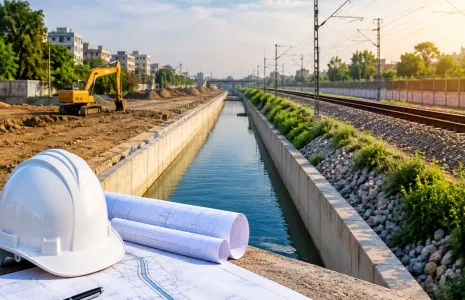
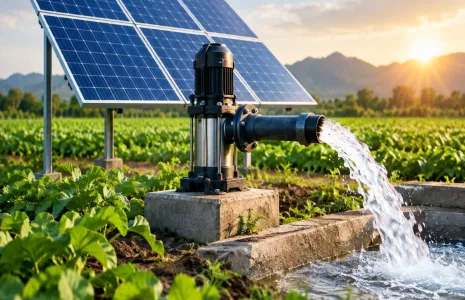
The Government of India has recently reiterated its multi-pronged approach to water conservation, supporting state-led efforts through national programmes, funding convergence and technical guidance. While water is a state subject, the Centre continues to supplement state initiatives to ensure long-term sustainability of water resources across the country.

Key national efforts are being led by the Ministry of Jal Shakti through the Jal Shakti Abhiyan (JSA), implemented nationwide since 2019. The sixth edition of Jal Shakti Abhiyan: Catch the Rain (JSA: CTR) was rolled out across all rural and urban districts from March to November 2025, under the theme ‘Jal Sanchay, Jan Bhagidari: Jan Jagrukta Ki Or’, with a strong emphasis on community participation and awareness.

The campaign promotes convergent financing from schemes such as MGNREGS, AMRUT, Per Drop More Crop, PMKSY, CAMPA and Finance Commission grants. Under JSA: CTR, Khandwa district alone completed over 7,000 water conservation works over the past three years, supported by district water conservation plans and Jal Shakti Kendras.

Public participation has been further strengthened through the Jal Sanchay Jan Bhagidari initiative, launched in Surat in September 2024, encouraging collective action by communities and local governments. More than 1,48,000 water-related works have been completed in Khandwa under this initiative.

The Central Ground Water Board continues to assess groundwater resources annually in consultation with states, supporting informed planning through aquifer mapping, monitoring and data-driven decision-making. National Aquifer Mapping has been completed across the country’s entire mappable area, including Maharashtra, Madhya Pradesh and Dadra and Nagar Haveli. As per the Dynamic Ground Water Resources Assessment, groundwater extraction in Khandwa district improved from 41.48 per cent in 2023 to 39.78 per cent in 2025.

Additional support is provided through schemes such as PMKSY, watershed development programmes, AMRUT, 15th Finance Commission grants and regulatory guidelines on rainwater harvesting in urban planning. Monitoring mechanisms, including state and district nodal officers and online portals, ensure regular oversight and implementation.

The update was shared in Parliament by Raj Bhushan Choudhary, highlighting the government’s continued focus on sustainable water management, groundwater recharge and climate resilience.

The Government of India has recently reiterated its multi-pronged approach to water conservation, supporting state-led efforts through national programmes, funding convergence and technical guidance. While water is a state subject, the Centre continues to supplement state initiatives to ensure long-term sustainability of water resources across the country. Key national efforts are being led by the Ministry of Jal Shakti through the Jal Shakti Abhiyan (JSA), implemented nationwide since 2019. The sixth edition of Jal Shakti Abhiyan: Catch the Rain (JSA: CTR) was rolled out across all rural and urban districts from March to November 2025, under the theme ‘Jal Sanchay, Jan Bhagidari: Jan Jagrukta Ki Or’, with a strong emphasis on community participation and awareness. The campaign promotes convergent financing from schemes such as MGNREGS, AMRUT, Per Drop More Crop, PMKSY, CAMPA and Finance Commission grants. Under JSA: CTR, Khandwa district alone completed over 7,000 water conservation works over the past three years, supported by district water conservation plans and Jal Shakti Kendras. Public participation has been further strengthened through the Jal Sanchay Jan Bhagidari initiative, launched in Surat in September 2024, encouraging collective action by communities and local governments. More than 1,48,000 water-related works have been completed in Khandwa under this initiative. The Central Ground Water Board continues to assess groundwater resources annually in consultation with states, supporting informed planning through aquifer mapping, monitoring and data-driven decision-making. National Aquifer Mapping has been completed across the country’s entire mappable area, including Maharashtra, Madhya Pradesh and Dadra and Nagar Haveli. As per the Dynamic Ground Water Resources Assessment, groundwater extraction in Khandwa district improved from 41.48 per cent in 2023 to 39.78 per cent in 2025. Additional support is provided through schemes such as PMKSY, watershed development programmes, AMRUT, 15th Finance Commission grants and regulatory guidelines on rainwater harvesting in urban planning. Monitoring mechanisms, including state and district nodal officers and online portals, ensure regular oversight and implementation. The update was shared in Parliament by Raj Bhushan Choudhary, highlighting the government’s continued focus on sustainable water management, groundwater recharge and climate resilience.

Next Story
Infrastructure Energy

Coal Ministry Simplifies Disposal of Washery Rejects

The Ministry of Coal has recently simplified the process for disposal of coal washery rejects to enhance ease of doing business and ensure faster utilisation, while maintaining environmental safeguards. The move aligns with the government’s Atmanirbhar Bharat vision and ongoing reform agenda in the coal sector. Under the existing policy issued on 27 May 2021, washery rejects were disposed of through a three-tier priority system. The first priority allows their use for energy extraction, in line with Solid Waste Management Rules, 2016, applicable to waste with calorific value above 1,500 kca..

Next Story
Infrastructure Urban

India, Oman Sign CEPA to Boost Trade and Services Ties

India and Oman have recently signed a Comprehensive Economic Partnership Agreement (CEPA), marking a major milestone in India’s strategic engagement with the Gulf region. The agreement was signed in the presence of Narendra Modi and Sultan Haitham bin Tarik, by Piyush Goyal and Qais bin Mohammed Al Yousef. The CEPA provides unprecedented market access for Indian goods, with Oman offering zero-duty access on 98.08 per cent of its tariff lines, covering 99.38 per cent of India’s exports by value. Major labour-intensive sectors such as textiles, leather, footwear, gems and jewellery, enginee..

Next Story
Technology

TTDF Backs 136 Telecom R&D Projects Worth Rs 5.42 Bn

The Telecom Technology Development Fund (TTDF) Scheme has recently approved 136 projects worth Rs 5.42 billion to strengthen indigenous telecom innovation across India, the government informed Parliament. The scheme focuses on bridging the digital divide by enabling development and manufacturing of advanced telecom technologies for rural and remote areas. In a written reply to the Rajya Sabha, Minister of State for Communications and Rural Development Pemmasani Chandra Sekhar said the TTDF Scheme, launched on 1 October 2022, supports IITs, NITs, MSMEs, start-ups and research institutions work..

Advertisement

Subscribe to Our Newsletter

Get daily newsletters around different themes from Construction world.

STAY CONNECTED

Advertisement

Advertisement

Advertisement

Advertisement

Open In App