De-silting Progress Reviewed for Dams in North Indian States
WATER & WASTE

De-silting Progress Reviewed for Dams in North Indian States

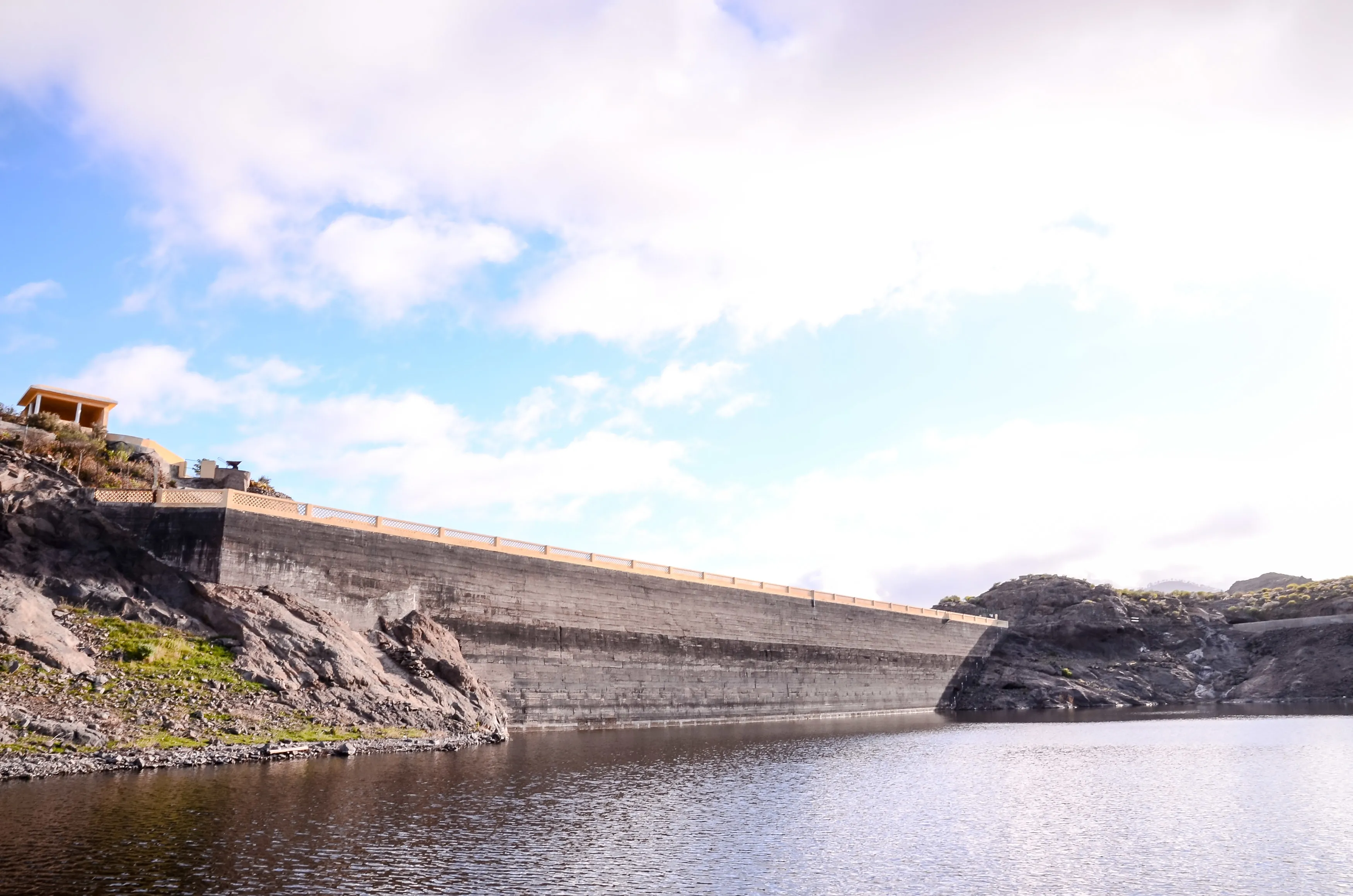
The Union Government has shared an updated status of de-silting and rehabilitation activities across major dams in Haryana, Punjab and Himachal Pradesh, based on recent assessments. As per the National Register of Specified Dams, the three states together oversee 42 specified dams with a combined gross storage capacity detailed in an annexure.

Although water management is a state responsibility, the Centre supplements these efforts through schemes such as the Repair, Renovation and Restoration of water bodies and the Dam Rehabilitation and Improvement Project (DRIP). Under DRIP Phase-II & III, de-silting is permitted for selected dams where proposals meet techno-economic norms. Punjab and the Bhakra Beas Management Board (BBMB) are active participants, whereas Haryana and Himachal Pradesh are not part of the ongoing phase.

Punjab has reported de-silting work underway at four Kandi-region dams—Chohal, Siswan, Saleran and Thana—funded from state resources. Proposals for forest clearance to take up work on nine additional dams have been submitted to the Centre. BBMB has yet to begin de-silting in the Bhakra or Pong reservoirs but is considering a pilot de-silting exercise for the Bhakra reservoir under a revenue-generation model within DRIP.

In Himachal Pradesh, dam-owning agencies continue to remove silt primarily through periodic flushing operations during the monsoon, as guided by their O&M manuals. Rehabilitation work also continues under DRIP, with Punjab allocated Rs 4.42 billion for 12 dams and BBMB allocated Rs 2.30 billion for two dams, following their formal induction into the scheme in October 2025.

Updated siltation levels for key reservoirs—based on 2024 studies by the Central Water Commission and data from the states—have been compiled in the annexure. Responsibility for the safety, operation and maintenance of dams remains with the owning agencies, supported by the Dam Safety Act of 2021, which sets out a nationwide inspection and monitoring framework.

The Central Water Commission continues to track weekly live storage in 166 major reservoirs, including three in Himachal Pradesh and one in Punjab, through the Reservoir Storage Monitoring System. This information aids states in planning for irrigation, drinking water supply, flood control and drought readiness.

The Union Government has shared an updated status of de-silting and rehabilitation activities across major dams in Haryana, Punjab and Himachal Pradesh, based on recent assessments. As per the National Register of Specified Dams, the three states together oversee 42 specified dams with a combined gross storage capacity detailed in an annexure. Although water management is a state responsibility, the Centre supplements these efforts through schemes such as the Repair, Renovation and Restoration of water bodies and the Dam Rehabilitation and Improvement Project (DRIP). Under DRIP Phase-II & III, de-silting is permitted for selected dams where proposals meet techno-economic norms. Punjab and the Bhakra Beas Management Board (BBMB) are active participants, whereas Haryana and Himachal Pradesh are not part of the ongoing phase. Punjab has reported de-silting work underway at four Kandi-region dams—Chohal, Siswan, Saleran and Thana—funded from state resources. Proposals for forest clearance to take up work on nine additional dams have been submitted to the Centre. BBMB has yet to begin de-silting in the Bhakra or Pong reservoirs but is considering a pilot de-silting exercise for the Bhakra reservoir under a revenue-generation model within DRIP. In Himachal Pradesh, dam-owning agencies continue to remove silt primarily through periodic flushing operations during the monsoon, as guided by their O&M manuals. Rehabilitation work also continues under DRIP, with Punjab allocated Rs 4.42 billion for 12 dams and BBMB allocated Rs 2.30 billion for two dams, following their formal induction into the scheme in October 2025. Updated siltation levels for key reservoirs—based on 2024 studies by the Central Water Commission and data from the states—have been compiled in the annexure. Responsibility for the safety, operation and maintenance of dams remains with the owning agencies, supported by the Dam Safety Act of 2021, which sets out a nationwide inspection and monitoring framework. The Central Water Commission continues to track weekly live storage in 166 major reservoirs, including three in Himachal Pradesh and one in Punjab, through the Reservoir Storage Monitoring System. This information aids states in planning for irrigation, drinking water supply, flood control and drought readiness.

Next Story
Infrastructure Urban

Centre Boosts FPO Growth With New Credit And Market Support

The Government is implementing the Central Sector Scheme on the formation and promotion of 10,000 Farmer Producer Organisations (FPOs), under which all 10,000 FPOs have now been registered. The scheme provides Rs 1.8 million per FPO for three years as management support, a matching equity grant of up to Rs 1.5 million, and a credit guarantee of up to Rs 0.02 billion through eligible lending institutions. It also offers assistance for training, market linkages and alignment with other schemes. FPOs receive support to obtain input licences for seed, fertiliser and pesticide supplies, as well as..

Next Story
Infrastructure Urban

PM-KISAN Drives Farm Income Gains And Rural Stability

The PM-KISAN scheme, a central sector initiative launched in February 2019, aims to support the financial needs of farmers holding cultivable land. Under the scheme, Rs 6,000 per year is transferred in three equal instalments to Aadhaar-seeded bank accounts through Direct Benefit Transfer. Eligibility is based primarily on cultivable landholding, with certain exclusions for individuals of higher economic status. A farmer-centric digital infrastructure ensures scheme benefits reach farmers across India without intermediaries. With full transparency in registration and verification, the Governm..

Next Story
Infrastructure Urban

Govt Extends Pro Tem Security Certificate To Two Years

In a further push to improve ease of doing business and ensure continuity for the telecom industry, the National Centre for Communication Security (NCCS) under the Department of Telecommunications has extended the validity of the Pro Tem Security Certification from six months to two years. The Pro Tem Certification, initially launched in October 2024 with a six-month validity, was designed to prevent business disruption for IP Router and Wi-Fi CPE products, which became subject to mandatory security certification from 1 October 2024. Under this certification, OEMs submit a declaration confirm..

Advertisement

Subscribe to Our Newsletter

Get daily newsletters around different themes from Construction world.

STAY CONNECTED

Advertisement

Advertisement

Advertisement

Advertisement

Open In App