Maharashtra Waste-to-Energy Plant Shut After Pollution Complaints
WATER & WASTE

Maharashtra Waste-to-Energy Plant Shut After Pollution Complaints

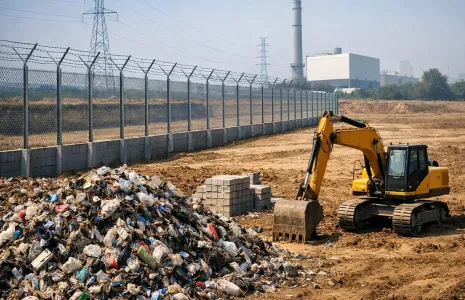
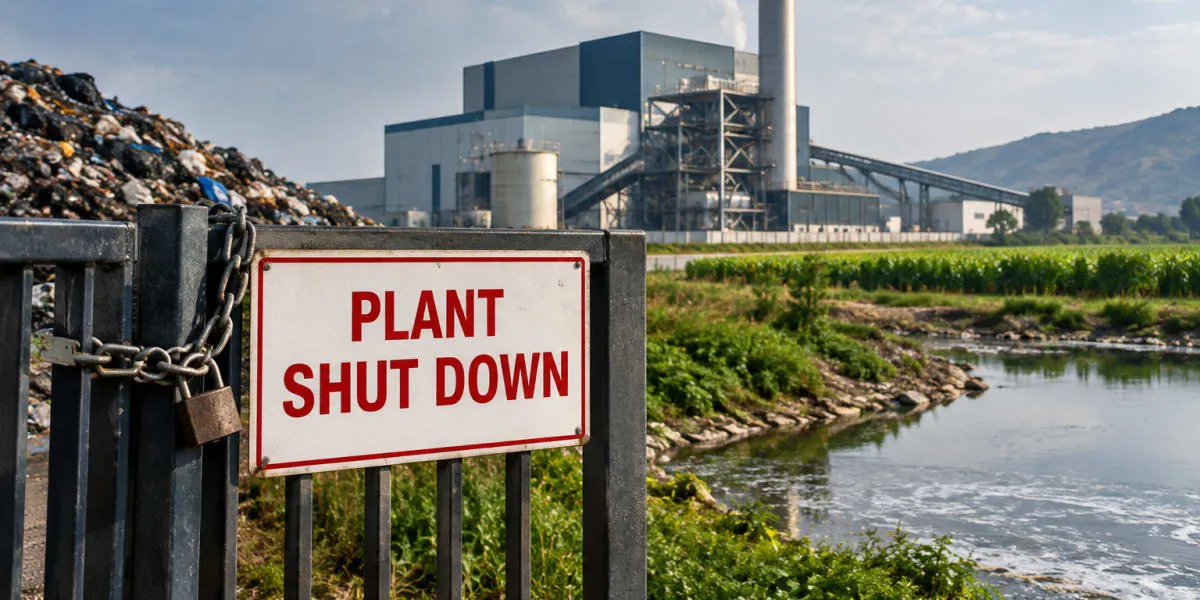
A 10 MW waste-to-energy incineration plant in Maharashtra’s Sangli district has been shut following protests by villagers over alleged pollution and its impact on public health, agriculture and local water sources. Closure orders were issued on September 23, 2026, by the sub-divisional officer and sub-divisional magistrate of the Miraj sub-division.

The Bhumi Green Energy plant faced sustained opposition over emissions, wastewater treatment and ash disposal. The shutdown followed a joint fact-finding exercise by Paryavaran Rakshan Samiti Sangli, the National Alliance for Climate and Ecological Justice, and the Centre for Financial Accountability. The groups alleged that the facility had failed to comply with several environmental and operational requirements.

According to the groups’ report, the plant’s secondary combustion chamber was operating at 230°C, compared with the stated minimum requirement of 950°C under the Solid Waste Management Rules, 2016. They said lower temperatures could lead to incomplete combustion and the release of pollutants, including soot, acid gases, dioxins and furans.

The report also alleged that the effluent treatment plant was not operating despite requirements for continuous treatment and zero liquid discharge. Untreated leachate was allegedly stored in unlined pits and overflowed into streams feeding the Warana River. The groups further claimed that electrostatic precipitators and wet scrubbers were not functioning, while black smoke escaped from furnace and boiler sections.

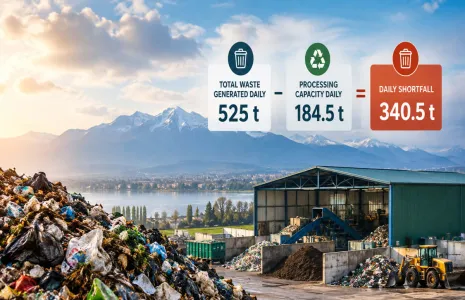
The campaigners said online emissions data was not being transmitted to the Central Pollution Control Board or the Maharashtra Pollution Control Board. They also alleged that fly ash was left uncovered and that bottom ash was used to fill low-lying land at at least 25 locations. The plant’s installed capacity was 10 MW, equivalent to about 7.2 mn units of electricity a month at full capacity, but average generation was reported at 2.38 mn units, or 33 per cent of that level. The groups cited the findings in calling for a nationwide ban on waste-to-energy incineration and greater emphasis on reducing waste generation.

A 10 MW waste-to-energy incineration plant in Maharashtra’s Sangli district has been shut following protests by villagers over alleged pollution and its impact on public health, agriculture and local water sources. Closure orders were issued on September 23, 2026, by the sub-divisional officer and sub-divisional magistrate of the Miraj sub-division. The Bhumi Green Energy plant faced sustained opposition over emissions, wastewater treatment and ash disposal. The shutdown followed a joint fact-finding exercise by Paryavaran Rakshan Samiti Sangli, the National Alliance for Climate and Ecological Justice, and the Centre for Financial Accountability. The groups alleged that the facility had failed to comply with several environmental and operational requirements. According to the groups’ report, the plant’s secondary combustion chamber was operating at 230°C, compared with the stated minimum requirement of 950°C under the Solid Waste Management Rules, 2016. They said lower temperatures could lead to incomplete combustion and the release of pollutants, including soot, acid gases, dioxins and furans. The report also alleged that the effluent treatment plant was not operating despite requirements for continuous treatment and zero liquid discharge. Untreated leachate was allegedly stored in unlined pits and overflowed into streams feeding the Warana River. The groups further claimed that electrostatic precipitators and wet scrubbers were not functioning, while black smoke escaped from furnace and boiler sections. The campaigners said online emissions data was not being transmitted to the Central Pollution Control Board or the Maharashtra Pollution Control Board. They also alleged that fly ash was left uncovered and that bottom ash was used to fill low-lying land at at least 25 locations. The plant’s installed capacity was 10 MW, equivalent to about 7.2 mn units of electricity a month at full capacity, but average generation was reported at 2.38 mn units, or 33 per cent of that level. The groups cited the findings in calling for a nationwide ban on waste-to-energy incineration and greater emphasis on reducing waste generation.

Related Stories

Gold Stories

Next Story
Infrastructure Urban

Welspun One unveils Diwali campaign for World Trade Center Thane

Welspun One has unveiled A Dream Diwali, a festive brand film promoting World Trade Center Thane, its proposed mixed-use development in the Mumbai Metropolitan Region (MMR). The campaign uses individual interpretations of an ideal Diwali to introduce the experiences and offerings planned at the development.The film follows different characters as they share their festive wishes and go about activities such as shopping, meeting friends, playing games and spending time with family. Through these everyday moments, the campaign presents the idea that celebrations are personal and that different ge..
Next Story
Equipment

BorgWarner secures three turbocharger contracts with global powertrain leader

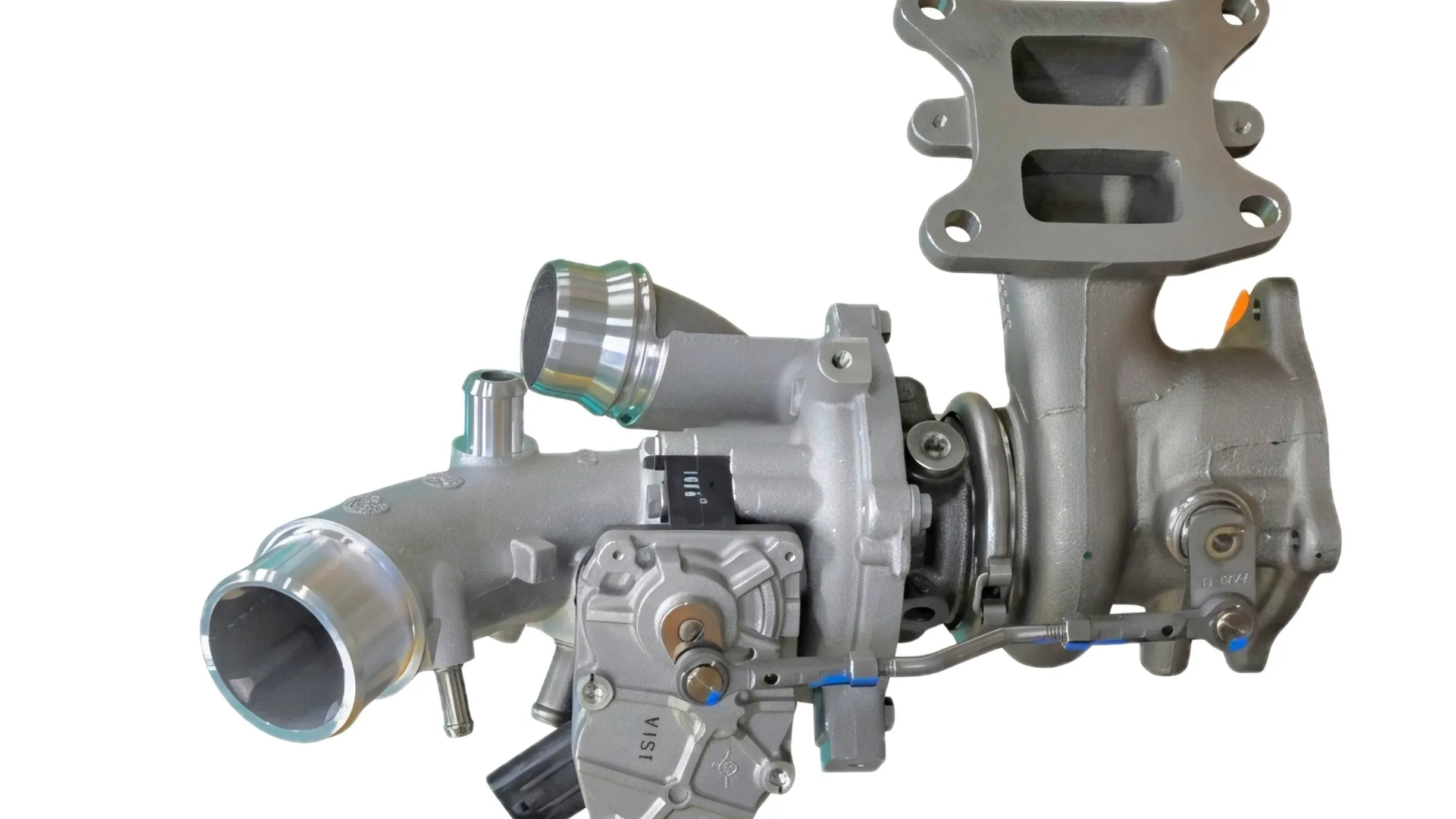
BorgWarner has secured three new turbocharger contracts with a global powertrain technology company. The wins comprise one contract for its variable turbine geometry (VTG) turbocharger and two for its wastegate turbocharger. The technologies will be deployed in the customer's light-vehicle gasoline platforms in South America and Europe, with production scheduled to begin in 2027.The VTG turbochargers are designed for gasoline engines operating under demanding conditions and high-boost pressure requirements. They are engineered to support Miller-cycle engines and withstand exhaust temperatures ..

Next Story
Infrastructure Transport

International Digi Yatra Trials Begin at Seven Airports

India has begun trials of Digi Yatra for international passengers at seven airports, allowing eligible Indian passport holders to use facial recognition at selected airport checkpoints. The facility is currently limited to Indian nationals with e-passports travelling on selected international flights operated by Air India and IndiGo. The Civil Aviation Ministry announced the trials on 1 November, with testing scheduled through December 2026. A wider rollout is expected in 2027 after the ministry assesses passenger feedback gathered during the trial period, according to PTI. The system is inten..

Advertisement

Subscribe to Our Newsletter

Get daily newsletters around different themes from Construction world.

STAY CONNECTED

Advertisement

SPECIAL OFFER
QR Code