Nashik Seeks Rs 7.5 Billion World Bank Loan For Sewer Upgrade
WATER & WASTE

Nashik Seeks Rs 7.5 Billion World Bank Loan For Sewer Upgrade

The Nashik Municipal Corporation (NMC) is seeking financing of Rs 7.5 billion from the World Bank to upgrade and expand the city’s ageing sewerage infrastructure.

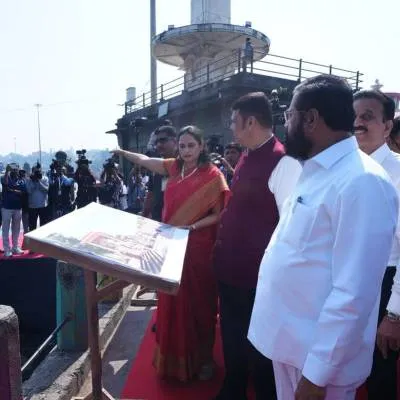
In a meeting held at Rajiv Gandhi Bhavan, senior NMC officials presented the proposal to World Bank representatives, outlining plans to lay over 200 kilometres of new sewer lines across six city divisions, including emerging localities such as Pachavati, Cidco, Nashik Road, and Satpur. The project will also replace deteriorating pipelines to strengthen the existing network.

According to Ravindra Dharanakar, NMC’s Superintending Engineer for Water and Sewage Management, a detailed project report (DPR) is currently being prepared to determine the final project cost and specifications.

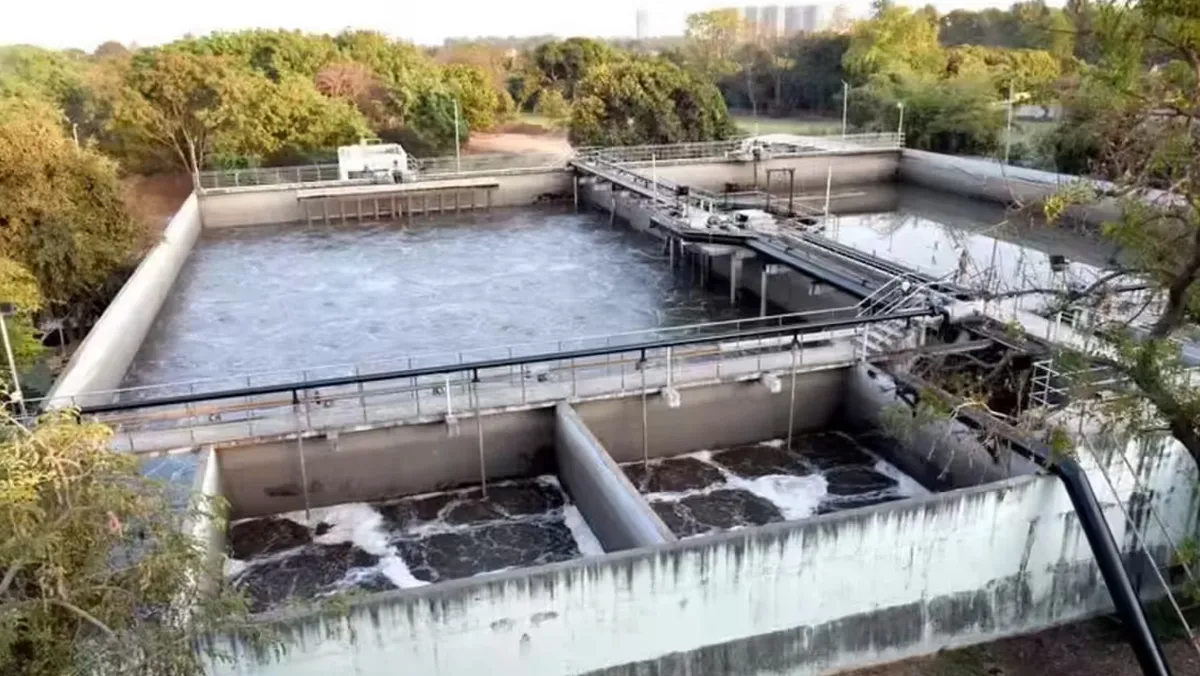
At present, Nashik generates approximately 323.3 million litres per day (MLD) of sewage, handled through a 1,600-kilometre network. To meet growing demand, the NMC has already floated tenders for an additional 90 kilometres of sewer lines, estimated to cost Rs 1.9 billion.

The ongoing work is partially funded under the Central government’s Atal Mission for Rejuvenation and Urban Transformation (AMRUT) scheme, with 50 per cent of the project cost supported by government funds.

Once implemented, the World Bank-backed expansion is expected to enhance Nashik’s waste management capacity, reduce environmental pollution, and ensure efficient sewage treatment for the city’s growing population.

The Nashik Municipal Corporation (NMC) is seeking financing of Rs 7.5 billion from the World Bank to upgrade and expand the city’s ageing sewerage infrastructure. In a meeting held at Rajiv Gandhi Bhavan, senior NMC officials presented the proposal to World Bank representatives, outlining plans to lay over 200 kilometres of new sewer lines across six city divisions, including emerging localities such as Pachavati, Cidco, Nashik Road, and Satpur. The project will also replace deteriorating pipelines to strengthen the existing network. According to Ravindra Dharanakar, NMC’s Superintending Engineer for Water and Sewage Management, a detailed project report (DPR) is currently being prepared to determine the final project cost and specifications. At present, Nashik generates approximately 323.3 million litres per day (MLD) of sewage, handled through a 1,600-kilometre network. To meet growing demand, the NMC has already floated tenders for an additional 90 kilometres of sewer lines, estimated to cost Rs 1.9 billion. The ongoing work is partially funded under the Central government’s Atal Mission for Rejuvenation and Urban Transformation (AMRUT) scheme, with 50 per cent of the project cost supported by government funds. Once implemented, the World Bank-backed expansion is expected to enhance Nashik’s waste management capacity, reduce environmental pollution, and ensure efficient sewage treatment for the city’s growing population.

Next Story
Infrastructure Energy

Delhi HC Stays PGCIL Order against KEC International

KEC International has informed stock exchanges of a significant legal development concerning its eligibility to participate in tenders floated by Power Grid Corporation of India (PGCIL), in a disclosure made under Regulation 30 of the SEBI (Listing Obligations and Disclosure Requirements) Regulations.The update follows the company’s earlier intimation dated November 18, 2025, regarding an order issued by PGCIL that excluded KEC International from participating in its tenders for a period of nine months. Challenging the said order, the company filed a writ petition before the Hon’ble High C..

Next Story
Building Material

LANXESS Advances Pigment Solutions for New-Age Concrete Technologies

LANXESS is deepening its engagement with next-generation concrete technologies by advancing research into the performance of iron oxide pigments across emerging construction applications, including self-compacting concrete (SCC), geopolymers and 3D-printed concrete. Through extensive investigations and long-term weathering tests, iron oxide pigments have proven their suitability for a wide range of concrete construction materials, though their use in new formulations requires a thorough understanding of construction chemistry and material interactions.According to Oliver Fleschentraeger, Techn..

Next Story
Infrastructure Urban

JHS Svendgaard to Invest Rs 250 Million in Kala Amb Expansion

JHS Svendgaard Laboratories (JHS), a leading Indian manufacturer of oral care products, has announced an investment of Rs 250 million to expand its manufacturing footprint in Kala Amb, Himachal Pradesh. The investment is aimed at strengthening production capacity, introducing advanced technologies and supporting the company’s next phase of growth in response to rising domestic and global demand.As part of the expansion plan, JHS will construct a new 100,000 sq ft manufacturing facility on its existing five-acre land parcel at Kala Amb. The project is expected to be executed over a two-year p..

Advertisement

Subscribe to Our Newsletter

Get daily newsletters around different themes from Construction world.

STAY CONNECTED

Advertisement

Advertisement

Advertisement

Advertisement

Open In App