Solar-powered Water Schemes Gain Momentum under Jal Jeevan Mission
WATER & WASTE

Solar-powered Water Schemes Gain Momentum under Jal Jeevan Mission

The Government of India has underscored the growing role of solar-based water supply schemes under the Jal Jeevan Mission (JJM), as states continue to plan and implement drinking water projects using renewable energy solutions. While drinking water remains a state subject, the Centre supports states through technical guidance and financial assistance to strengthen sustainable rural water infrastructure.

Launched in August 2019, Jal Jeevan Mission – Har Ghar Jal aims to provide potable water in adequate quantity and prescribed quality to every rural household through functional tap water connections. At the time of the mission’s announcement, only 30.23 million rural households, or about 17 per cent, had access to tap water. As per data reported by states and Union Territories as on December 16, 2025, around 120.53 million additional households have been covered under the mission.

This has taken the total number of rural households with tap water connections to over 15.76 crore, accounting for 81.42 per cent of the country’s 190.36 million rural households spread across nearly 5.82 lakh villages. Works for the remaining households are progressing as per saturation plans prepared by respective states and Union Territories. More than 2.69 lakh villages have already been declared ‘Har Ghar Jal’, indicating 100 per cent household tap water coverage.

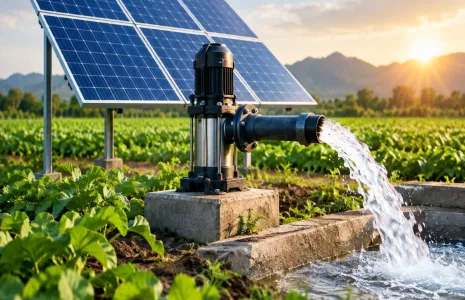
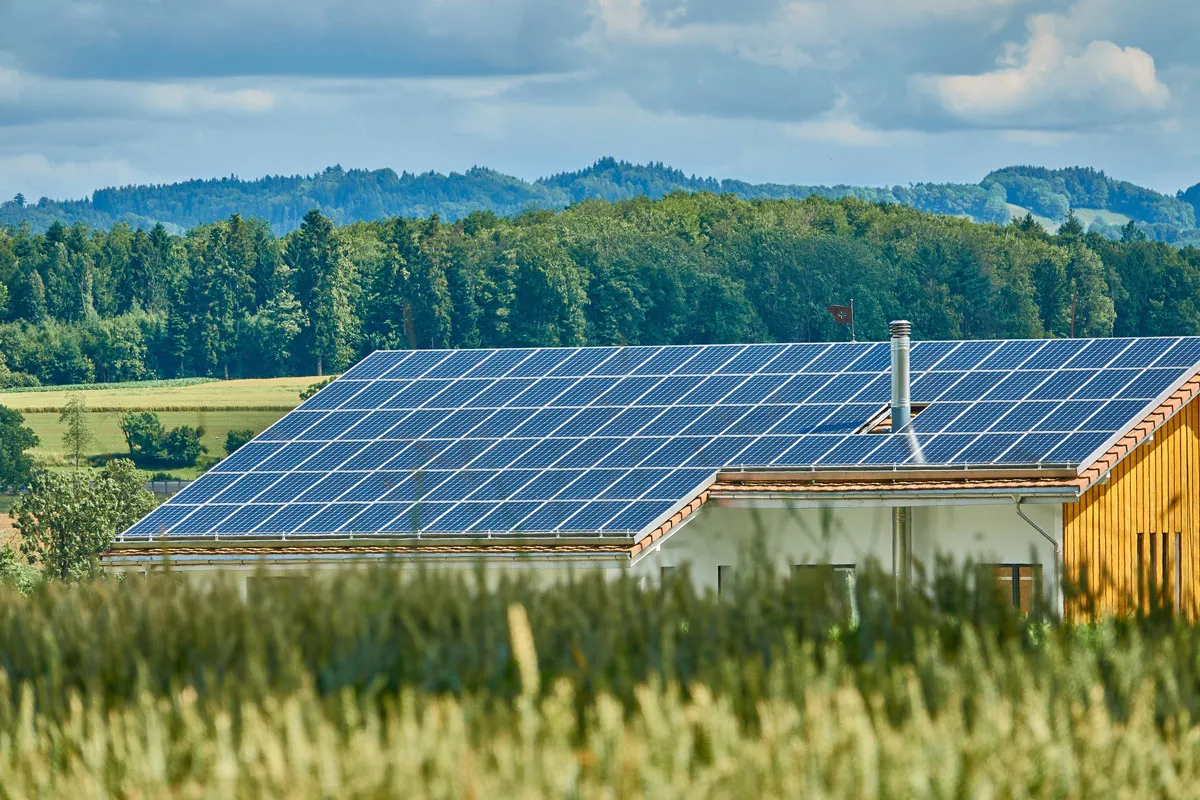
Under JJM, specific provisions have been made to promote renewable energy usage, including solar-powered standalone water supply systems for scattered, isolated, tribal and hilly villages. States are encouraged to prefer solar-powered pumping arrangements for single-village schemes and adopt conjunctive use of solar energy in multi-village water supply projects.

To ensure effective implementation and monitoring, a multi-level system has been put in place, including regular reviews, capacity-building workshops, field visits by multidisciplinary teams, geo-tagging of assets and mandatory third-party inspections before payments. Recent initiatives such as village and district dashboards, decision support systems for source sustainability, institutionalisation of National WASH Experts and unique IDs for piped water systems aim to further enhance efficiency, transparency and long-term sustainability of rural water supply schemes.

The Government of India has underscored the growing role of solar-based water supply schemes under the Jal Jeevan Mission (JJM), as states continue to plan and implement drinking water projects using renewable energy solutions. While drinking water remains a state subject, the Centre supports states through technical guidance and financial assistance to strengthen sustainable rural water infrastructure.Launched in August 2019, Jal Jeevan Mission – Har Ghar Jal aims to provide potable water in adequate quantity and prescribed quality to every rural household through functional tap water connections. At the time of the mission’s announcement, only 30.23 million rural households, or about 17 per cent, had access to tap water. As per data reported by states and Union Territories as on December 16, 2025, around 120.53 million additional households have been covered under the mission.This has taken the total number of rural households with tap water connections to over 15.76 crore, accounting for 81.42 per cent of the country’s 190.36 million rural households spread across nearly 5.82 lakh villages. Works for the remaining households are progressing as per saturation plans prepared by respective states and Union Territories. More than 2.69 lakh villages have already been declared ‘Har Ghar Jal’, indicating 100 per cent household tap water coverage.Under JJM, specific provisions have been made to promote renewable energy usage, including solar-powered standalone water supply systems for scattered, isolated, tribal and hilly villages. States are encouraged to prefer solar-powered pumping arrangements for single-village schemes and adopt conjunctive use of solar energy in multi-village water supply projects.To ensure effective implementation and monitoring, a multi-level system has been put in place, including regular reviews, capacity-building workshops, field visits by multidisciplinary teams, geo-tagging of assets and mandatory third-party inspections before payments. Recent initiatives such as village and district dashboards, decision support systems for source sustainability, institutionalisation of National WASH Experts and unique IDs for piped water systems aim to further enhance efficiency, transparency and long-term sustainability of rural water supply schemes.

Next Story
Building Material

Kumaraswamy Invites Envoys to Join Flagship Bharat Steel 2026

Union Minister for Steel and Heavy Industries, HD Kumaraswamy, held an interactive meeting with Ambassadors and diplomatic representatives of key partner countries, inviting them to actively participate in Bharat Steel 2026, the flagship international conference-cum-exhibition of the Ministry of Steel scheduled for April 2026.The meeting saw strong participation from representatives of countries that play a significant role in the global steel value chain. It formed part of the Ministry’s broader outreach efforts to deepen international cooperation and strengthen India’s engagement with ma..

Next Story
Infrastructure Transport

Centre Clears Rs 8.87 Bn Plan for World-class Mumbai Marina

The Union Government has approved a Rs 8.87 billion proposal to develop a world-class marina at Mumbai Harbour, a move expected to significantly boost coastal shipping, maritime tourism and waterfront-led urban development in India’s financial capital.The proposed ‘Viksit Bharat Mumbai Marina’ has been cleared by the Ministry of Ports, Shipping and Waterways in line with the vision of Prime Minister Narendra Modi to create global-standard tourism destinations and strengthen the country’s maritime economy. The project is designed to open up Mumbai’s waterfront for public use while att..

Next Story
Infrastructure Urban

Study Highlights Freshwater Sponges’ Role in Fighting Metal Pollution

Scientists have identified freshwater sponges and their associated microbial communities as powerful natural allies in tackling toxic metal pollution, offering new hope for sustainable water quality management. A recent study has revealed that these sponges can act both as bioindicators and effective absorbents of harmful metals such as arsenic, lead and cadmium.The findings come from a study published in Microbiology Spectrum by researchers from Bose Institute, an autonomous institute under the Department of Science and Technology, Government of India. The research focused on freshwater spong..

Advertisement

Subscribe to Our Newsletter

Get daily newsletters around different themes from Construction world.

STAY CONNECTED

Advertisement

Advertisement

Advertisement

Advertisement

Open In App