Yadav Highlights India’s Waste Processing and Recycling Push
WATER & WASTE

Yadav Highlights India’s Waste Processing and Recycling Push

Union Minister for Environment, Forest and Climate Change Bhupender Yadav has highlighted the Government’s efforts to strengthen waste processing and recycling in India. Addressing the Circular Economy Conference in New Delhi, he said the legal framework for waste management had been progressively strengthened through sector-specific rules covering nine waste streams.

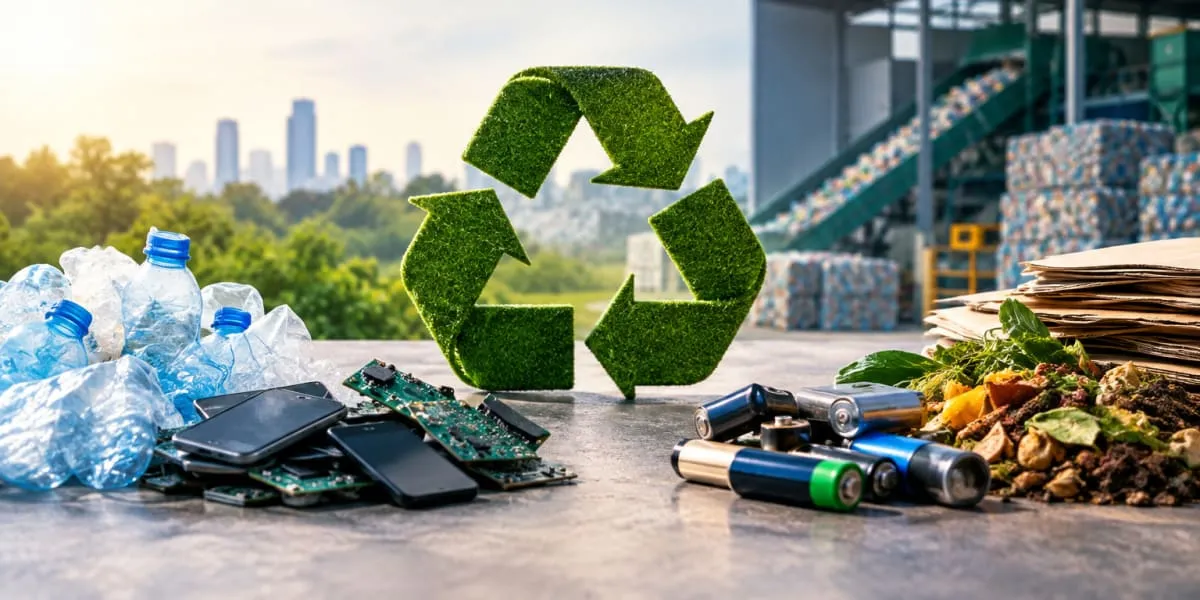
The regulated streams include plastic waste, battery waste and electronic waste, among others. According to Yadav, the rules focus on preventing waste and promoting recycling, reuse, remanufacturing and resource recovery across the lifecycle of products.

The minister said around 50,000,000 metric tonnes of waste had been processed across the regulated waste streams as on date. Under the required conversion, this represents approximately 50 mn t, reflecting the volume handled through the waste management framework.

Yadav called for greater coordination between producers and recyclers in the management of plastic waste. He said closer cooperation was needed to address concerns about the availability of recyclable material and adequate recycling capacity.

The minister also emphasised the need to strengthen the recovery of critical minerals from electronic waste and batteries. He sought greater participation from industry in developing markets for secondary raw materials and improving supply-chain traceability.

The focus on reuse, recycling, remanufacturing and resource recovery places waste management within a broader circular economy framework. The measures discussed at the conference cover both the handling of waste after use and the development of systems that can support the recovery of materials for further use. Yadav’s remarks underline the role of producers, recyclers and other industry participants in improving the availability of recyclable material and building processing capacity. They also point to the importance of tracking materials through supply chains, particularly for waste streams containing critical minerals. The Government’s sector-specific approach applies different rules to different categories of waste while maintaining a common emphasis on prevention, recovery and recycling.

Union Minister for Environment, Forest and Climate Change Bhupender Yadav has highlighted the Government’s efforts to strengthen waste processing and recycling in India. Addressing the Circular Economy Conference in New Delhi, he said the legal framework for waste management had been progressively strengthened through sector-specific rules covering nine waste streams. The regulated streams include plastic waste, battery waste and electronic waste, among others. According to Yadav, the rules focus on preventing waste and promoting recycling, reuse, remanufacturing and resource recovery across the lifecycle of products. The minister said around 50,000,000 metric tonnes of waste had been processed across the regulated waste streams as on date. Under the required conversion, this represents approximately 50 mn t, reflecting the volume handled through the waste management framework. Yadav called for greater coordination between producers and recyclers in the management of plastic waste. He said closer cooperation was needed to address concerns about the availability of recyclable material and adequate recycling capacity. The minister also emphasised the need to strengthen the recovery of critical minerals from electronic waste and batteries. He sought greater participation from industry in developing markets for secondary raw materials and improving supply-chain traceability. The focus on reuse, recycling, remanufacturing and resource recovery places waste management within a broader circular economy framework. The measures discussed at the conference cover both the handling of waste after use and the development of systems that can support the recovery of materials for further use. Yadav’s remarks underline the role of producers, recyclers and other industry participants in improving the availability of recyclable material and building processing capacity. They also point to the importance of tracking materials through supply chains, particularly for waste streams containing critical minerals. The Government’s sector-specific approach applies different rules to different categories of waste while maintaining a common emphasis on prevention, recovery and recycling.

Related Stories

Gold Stories
Next Story
Infrastructure Transport

Seco Marks 30 Years in India, Strengthens Pune Operations Wins Rs 8.39 Billion Vande Bharat Sleeper Orders

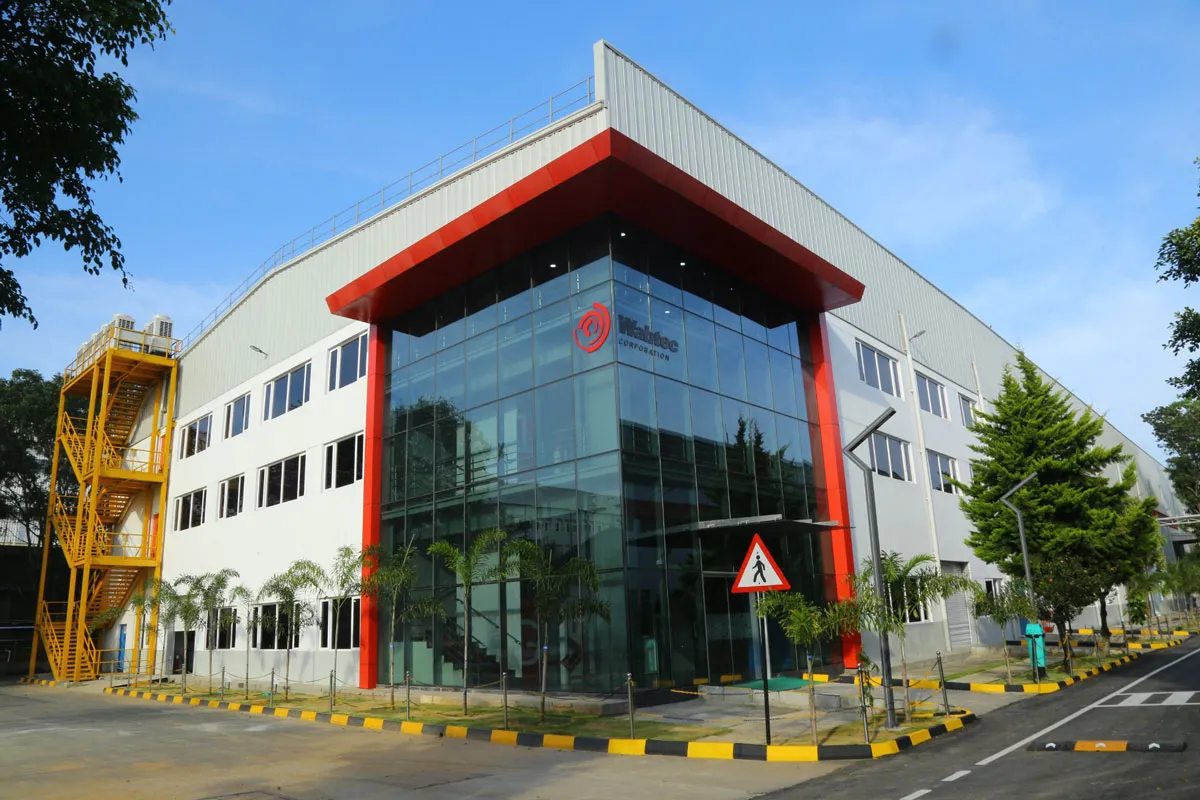
"Wabtec Corporation (NYSE: WAB) has secured orders worth approximately US$94 million (Rs 8.39 billion, or Rs 8,390 million) from Indian Railways for systems for the Vande Bharat Sleeper programme. The equipment is intended to increase service availability, simplify maintenance and improve passenger safety.Wabtec will supply onboard brake systems, doors and gangway solutions. Its scope also includes system delivery, integration support, testing, commissioning and long-term operational reliability support.Pascal Schweitzer, President, Wabtec Transit, said the orders reflect the company’s commi..

Next Story
Real Estate

Godrej Properties Targets Rs. 415 bn Sales Bookings by FY27

Godrej Properties is projected to achieve sales bookings of Rs. 415 bn in FY27, representing 22 per cent growth and exceeding its guidance of Rs. 390 bn. The company attributed the outlook to sustained consumer demand for residential projects across all its markets. Chairperson Pirojsha Godrej said the company remained on track to meet or exceed its annual targets for sales bookings, project launches, customer collections, project deliveries and land acquisition. Sales bookings in the first half of the financial year rose 7 per cent to Rs. 166.59 bn from Rs. 155.87 bn in the year-ago period. T..

Next Story
Infrastructure Urban

RPS Infrastructure Appoints KBE for Rs. 4.5 bn 12th Avenue Phase 3

Faridabad-based real estate developer RPS Infrastructure has awarded a construction contract worth more than Rs. 4.5 bn to KBE-Krishna Buildestates for Phase 3 of its flagship mixed-use development, RPS 12th Avenue. Spread across approximately 9 acres, the phase will include the Crosswalk mall and The Wisterias South, a residential development comprising three ultra-luxury towers. Phase 3 forms part of the wider 34-acre RPS 12th Avenue ecosystem on Main Mathura Road in Sector 27C, Faridabad. KBE will lead construction of the new phase, with the architectural blueprint already completed by glob..

Advertisement

Subscribe to Our Newsletter

Get daily newsletters around different themes from Construction world.

STAY CONNECTED

Advertisement

SPECIAL OFFER
QR Code