+
Only qualified architects allowed to practice architecture?
Real Estate

Only qualified architects allowed to practice architecture?

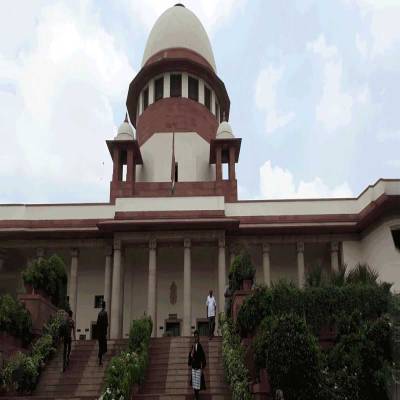
The Supreme Court on March 17, held that the Architects Act, 1972, does not prohibit individuals not registered under the Act to undertake the practice of architecture and other cognate activities. The Court has now held that while Section 37 does not bar a person not registered under the Act from carrying out activities related to the profession, it prohibits an unregistered person from using the title of architect. In other words, a person carrying out architectural activities need not be registered with the Council of Architecture (the regulatory body for architects in India).

“If the legislature were to impose an absolute prohibition against unregistered individuals from practicing architecture, there would be considerable confusion as to what activities formed the practice of architecture and what did not. It may have resulted in a host of other legitimate professionals being barred from engaging in the design, supervision and construction of buildings merely because they were not registered under the Architects Act,” the Court said.

Given this new directive, will education institutions and current students be discouraged, and more importantly, become obsolete?

Construction World conducted another successful webinar on ‘The Architect Challenge’ , which witnessed great success with over 1,000 attendees tuning in to hear what our esteemed panellists have to say on India’s way forward in architecture.

The webinar began with presenter Pratap Padode, Editor-in-Chief, Construction World and President, FIRST Construction Council, welcoming the guest panellists to the session. The panellists included industry stalwarts – Subodh Dixit, Executive Director-Engineering and Construction, Shapoorji and Pallonji and Company; Rajiv Mishra, Principal, JJ School of Architecture; Sanjay Puri, Principal Architect, Sanjay Puri Architects; Mahesh Mudda, Managing Director & CEO, NCCCL; and Habeeb Khan, President, Council of Architecture.

Pratap Padode, Editor-in-Chief, Construction World and President, FIRST Construction Council, began by citing some definitions of architecture. “Architecture is the process of both planning and designing a project,” he said. “Another definition says that architecture is the art and science of designing buildings and structures,” he highlighted.

Coming to the point on the Supreme Court ruling, Padode went on to question: Will the SC ruling make qualified architects irrelevant? Is there a cause of worry for students?

To this, replied Habeeb Khan, President, Council of Architecture (CoA), “I don’t think any difference has happened. What the SC mentions something already present in the Architects Act since 1972. The SC has only said what is written in the Act. I don’t it will make any difference.” He went on to add that in 1972, when the Act was created, India had few architects and institutions. “We now have over 1 lakh architects. The SC has only interpreted what is in the Act.”

The objective is to prevent untrained people practising in the field, Khan went on to add. Having said that, “Section 37 actually defeats the purpose of the Act itself. So, it has created a little controversy, and it needs to be looked at objectively. When the act was enacted in 1972, there was no complexity. Complexities have evolved over a long period of time. We need to relook at what architect services include and relook at the Act accordingly.” He added that the CoA is working on appealing to the SC on certain clauses that were overlooked by the bench. “We will file for an appeal once the lockdown is over.” Architectural education and practice is art and technology, which is subjective and objective. “Anybody not trained can work on the objective part, but the subjective part – which is the art or creativity – needs to be inbound and earned over a period of time,” highlighted Khan. “The only part to worry is what will the quality of work be if untrained architects are working on it.”

In view of the SC ruling, Rajiv Mishra, Principal, JJ School of Architecture, said, “The only thing is that people can practice like an architect but cannot call themselves an architect. The CoA is working towards reforming its Act and trying to amend it. The SC has actually written what is in the Act; it only reads the interpretation of the legislation. So, the interpretation needs to be reviewed. The schools need not worry about it. In all architectural institutes, comprehensive services are learned about. A student actually goes through the whole phase of a project – from designing a project, preparing a tender and inviting it, and everything else.”

In agreement, Mahesh Mudda, Managing Director & CEO, NCCCL, said, “The SC judgement is not saying anything new, and is not going to discourage anybody. Any good architect will survive. Students don’t have to worry about their future because there is no dearth of work. There is no ambiguity for those who have been in the field for a long time, are not qualified, but have been practising or adding value for a long time now. If someone is adding value, there is no need to worry – unless there is a major change in the Act. With respect to the judgment, there is no need to worry whether architects are qualified or non-qualified. Degree is one thing, but inbound talent is also another thing; and if people are adding value, nobody is going to take away any substandard. If somebody is complimenting, we must respect the value they are bringing in.”

Subodh Dixit, Executive Director-Engineering and Construction, Shapoorji and Pallonji and Company, too agreed. “The SC judgement is only the interpretation of the Act. Students should not worry because there is plenty of work. There are many well-known architects who have created wonderful designs, but are not actually qualified architects, however are still given high regards.” He draws a parallel to structural works, citing an example of how civil engineers who are not qualified but do a diploma in the field; similar is the case with architects.

Sanjay Puri, Principal Architect, Sanjay Puri Architects, however, is of different opinion, hailing from the field of architecture itself. “Just like a doctor cannot practise without qualification, so also an architect cannot practise without the required qualification. The SC ruling is that a person cannot call himself an architect if not qualified. The CoA needs to amend the act. There are people who are not qualified and are submitting plans; they work for architects for several years and then go ahead and submit plans for projects. It cannot be that anyone creates a plan. It should be made mandatory – that we cannot have a non-qualified architect submit a plan. The CoA can define what comes under the Act to redefine the process.”

While the Architects Act, 1972, definitely needs amendment, seems like those practising architecture can breathe a sigh of relief now, with much clarity on the SC judgement coming through our webinar from industry stalwarts.

Also read: What challenges do architects in India face? 

Also read: COVID-19 Impact on the Architecture Industry 

Stay tuned for Construction World’s next FREE webinar on The Real Estate Challenge on Tuesday, April 14. Click here to register! 

Stay tuned for Construction World’s FREE webinars. View our complete webinar calendar and previous webinars here. 

The Supreme Court on March 17, held that the Architects Act, 1972, does not prohibit individuals not registered under the Act to undertake the practice of architecture and other cognate activities. The Court has now held that while Section 37 does not bar a person not registered under the Act from carrying out activities related to the profession, it prohibits an unregistered person from using the title of architect. In other words, a person carrying out architectural activities need not be registered with the Council of Architecture (the regulatory body for architects in India). “If the legislature were to impose an absolute prohibition against unregistered individuals from practicing architecture, there would be considerable confusion as to what activities formed the practice of architecture and what did not. It may have resulted in a host of other legitimate professionals being barred from engaging in the design, supervision and construction of buildings merely because they were not registered under the Architects Act,” the Court said. Given this new directive, will education institutions and current students be discouraged, and more importantly, become obsolete? Construction World conducted another successful webinar on ‘The Architect Challenge’ , which witnessed great success with over 1,000 attendees tuning in to hear what our esteemed panellists have to say on India’s way forward in architecture. The webinar began with presenter Pratap Padode, Editor-in-Chief, Construction World and President, FIRST Construction Council, welcoming the guest panellists to the session. The panellists included industry stalwarts – Subodh Dixit, Executive Director-Engineering and Construction, Shapoorji and Pallonji and Company; Rajiv Mishra, Principal, JJ School of Architecture; Sanjay Puri, Principal Architect, Sanjay Puri Architects; Mahesh Mudda, Managing Director & CEO, NCCCL; and Habeeb Khan, President, Council of Architecture. Pratap Padode, Editor-in-Chief, Construction World and President, FIRST Construction Council, began by citing some definitions of architecture. “Architecture is the process of both planning and designing a project,” he said. “Another definition says that architecture is the art and science of designing buildings and structures,” he highlighted. Coming to the point on the Supreme Court ruling, Padode went on to question: Will the SC ruling make qualified architects irrelevant? Is there a cause of worry for students? To this, replied Habeeb Khan, President, Council of Architecture (CoA), “I don’t think any difference has happened. What the SC mentions something already present in the Architects Act since 1972. The SC has only said what is written in the Act. I don’t it will make any difference.” He went on to add that in 1972, when the Act was created, India had few architects and institutions. “We now have over 1 lakh architects. The SC has only interpreted what is in the Act.” The objective is to prevent untrained people practising in the field, Khan went on to add. Having said that, “Section 37 actually defeats the purpose of the Act itself. So, it has created a little controversy, and it needs to be looked at objectively. When the act was enacted in 1972, there was no complexity. Complexities have evolved over a long period of time. We need to relook at what architect services include and relook at the Act accordingly.” He added that the CoA is working on appealing to the SC on certain clauses that were overlooked by the bench. “We will file for an appeal once the lockdown is over.” Architectural education and practice is art and technology, which is subjective and objective. “Anybody not trained can work on the objective part, but the subjective part – which is the art or creativity – needs to be inbound and earned over a period of time,” highlighted Khan. “The only part to worry is what will the quality of work be if untrained architects are working on it.” In view of the SC ruling, Rajiv Mishra, Principal, JJ School of Architecture, said, “The only thing is that people can practice like an architect but cannot call themselves an architect. The CoA is working towards reforming its Act and trying to amend it. The SC has actually written what is in the Act; it only reads the interpretation of the legislation. So, the interpretation needs to be reviewed. The schools need not worry about it. In all architectural institutes, comprehensive services are learned about. A student actually goes through the whole phase of a project – from designing a project, preparing a tender and inviting it, and everything else.” In agreement, Mahesh Mudda, Managing Director & CEO, NCCCL, said, “The SC judgement is not saying anything new, and is not going to discourage anybody. Any good architect will survive. Students don’t have to worry about their future because there is no dearth of work. There is no ambiguity for those who have been in the field for a long time, are not qualified, but have been practising or adding value for a long time now. If someone is adding value, there is no need to worry – unless there is a major change in the Act. With respect to the judgment, there is no need to worry whether architects are qualified or non-qualified. Degree is one thing, but inbound talent is also another thing; and if people are adding value, nobody is going to take away any substandard. If somebody is complimenting, we must respect the value they are bringing in.” Subodh Dixit, Executive Director-Engineering and Construction, Shapoorji and Pallonji and Company, too agreed. “The SC judgement is only the interpretation of the Act. Students should not worry because there is plenty of work. There are many well-known architects who have created wonderful designs, but are not actually qualified architects, however are still given high regards.” He draws a parallel to structural works, citing an example of how civil engineers who are not qualified but do a diploma in the field; similar is the case with architects. Sanjay Puri, Principal Architect, Sanjay Puri Architects, however, is of different opinion, hailing from the field of architecture itself. “Just like a doctor cannot practise without qualification, so also an architect cannot practise without the required qualification. The SC ruling is that a person cannot call himself an architect if not qualified. The CoA needs to amend the act. There are people who are not qualified and are submitting plans; they work for architects for several years and then go ahead and submit plans for projects. It cannot be that anyone creates a plan. It should be made mandatory – that we cannot have a non-qualified architect submit a plan. The CoA can define what comes under the Act to redefine the process.” While the Architects Act, 1972, definitely needs amendment, seems like those practising architecture can breathe a sigh of relief now, with much clarity on the SC judgement coming through our webinar from industry stalwarts. Also read: What challenges do architects in India face?  Also read: COVID-19 Impact on the Architecture Industry Stay tuned for Construction World’s next FREE webinar on The Real Estate Challenge on Tuesday, April 14. Click here to register!  Stay tuned for Construction World’s FREE webinars. View our complete webinar calendar and previous webinars here. 

Next Story
Infrastructure Transport

MMRDA Installs 325-Tonne Steel Spans on Mumbai Metro Line 4

The Mumbai Metropolitan Region Development Authority (MMRDA) has achieved a key construction milestone on Metro Line 4 with the successful installation of three large steel spans at Bhandup West during overnight operations.The spans, together weighing 325 metric tonnes, were launched using eight heavy-duty cranes and 12 multi-axle vehicles. The operation required precise engineering and meticulous planning to minimise disruption in the densely populated suburban area.Due to effective inter-agency coordination, the work—originally scheduled across four nights—was completed within just two n..

Next Story
Infrastructure Transport

CMRL Targets March 2027 Opening for Vadapalani–Panagal Park

Chennai Metro Rail Limited (CMRL) is progressing as scheduled to open the Vadapalani–Panagal Park section of Phase II’s Corridor 4 by March 2027. The 3.5 km underground stretch is part of the 26.1 km Corridor 4 connecting Lighthouse with Poonamallee Bypass.Construction activities are advancing steadily, with tunnelling works between Vadapalani and Panagal Park already completed. Track-laying operations are expected to commence shortly. At Panagal Park station, structural works have reached the concourse and platform levels, while excavation continues at the lowest level.CMRL is also consid..

Next Story
Infrastructure Transport

Maha-Metro Invites Pune Metro Civil Maintenance Bids

Maharashtra Metro Rail Corporation Limited (Maha-Metro) has invited bids for the annual civil maintenance contract of the Pune Metro Rail Project. The tender, bearing ID and number P1-O&M-20/2025, is scheduled to close on 23 February 2026, with a pre-bid meeting slated for 10 February 2026. The earnest money deposit (EMD) for the contract is Rs 3,50,500, and the duration of the contract is one year.The scope of work includes annual civil maintenance of 28 elevated and underground stations, 28.079 km of elevated viaduct including steel bridges, 12.15 km of tunnels, and two depots under the ..

Advertisement

Subscribe to Our Newsletter

Get daily newsletters around different themes from Construction world.

STAY CONNECTED

Advertisement

Advertisement

Advertisement

Open In App