
Heidelberg Cement to Build Green Plant in Madhya Pradesh
Cement

Heidelberg Cement to Build Green Plant in Madhya Pradesh

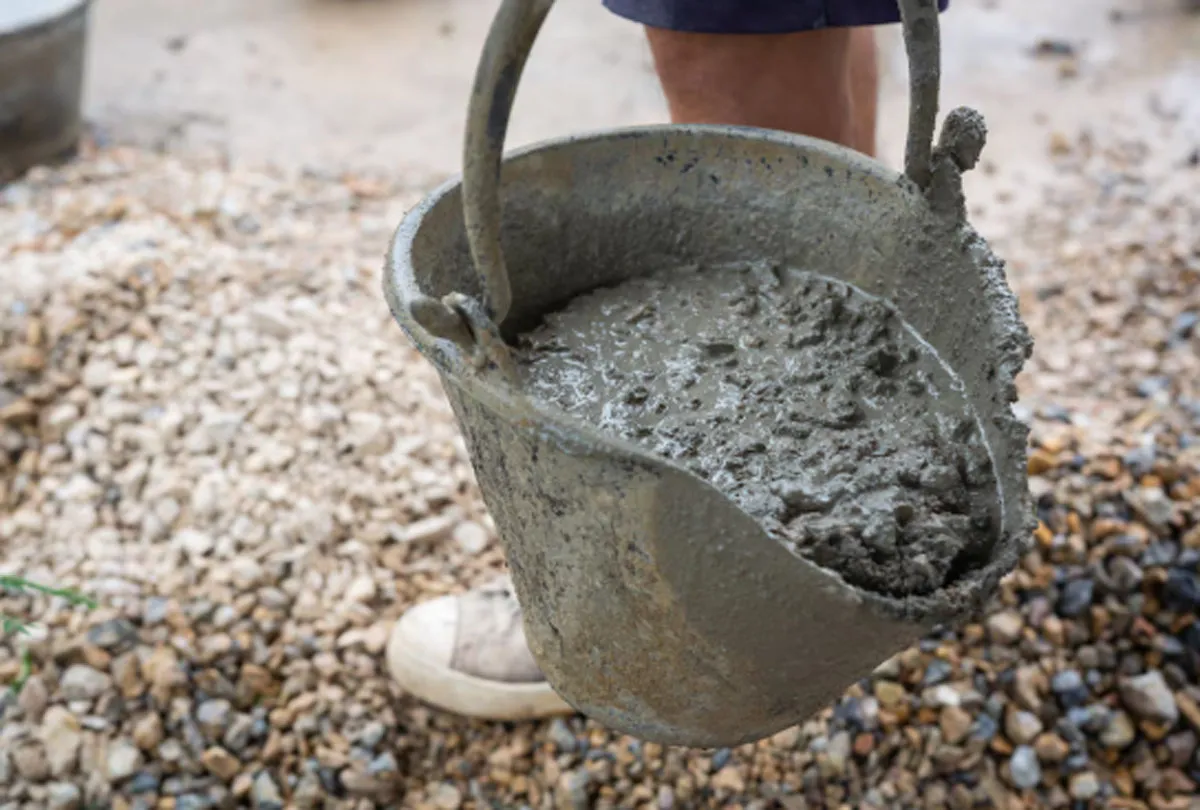
Heidelberg Cement India has announced plans to set up a 200,000-tonne cement plant at the Sant Singaji thermal power station in Dogalia, Madhya Pradesh. Spread across a seven-hectare site, the project will convert coal-fired power sludge—currently stored in dams—into cement, marking a major step towards cleaner industrial processes. Construction is expected to begin by late 2025, with operations slated to start around 18 months later, aligning economic expansion with environmental responsibility.

The initiative reflects India’s wider shift towards circular economy practices, where industrial waste becomes an input for new production. By using coal sludge as a key raw material, Heidelberg Cement India will reduce the ecological impact of power generation while lowering dependence on conventional resources such as limestone. According to sustainability experts, this approach addresses critical challenges in both waste management and the carbon intensity of cement manufacturing.

State officials have welcomed the project as a catalyst for regional development. Beyond its environmental benefits, the plant is expected to generate employment during construction and operations. Urban planners note that integrating eco-conscious manufacturing into industrial hubs strengthens inclusive growth and supports broader sustainability targets at both state and national levels.

Producing cement from coal-fired sludge requires precise chemical monitoring to maintain product quality. Heidelberg Cement India has committed to deploying advanced processing systems and emission-control technology to meet national environmental standards and contribute to Madhya Pradesh’s net-zero ambitions.

Experts say the Dogalia plant signals a broader change in India’s industrial strategy as the country accelerates its transition to low-carbon manufacturing. Converting industrial by-products into high-value materials sets important benchmarks for future projects and may inspire similar plants in other regions.

From a planning perspective, incorporating sustainable industrial operations into regional ecosystems strengthens urban-rural linkages. Repurposing industrial waste reduces pressure on landfills while supporting supply chains for construction and infrastructure. By promoting responsible industrial development, Madhya Pradesh is positioning itself as a model for sustainable industrial zones that balance economic growth, environmental stewardship and community welfare.

The Dogalia plant illustrates how targeted investment in eco-friendly manufacturing can advance a circular economy, tackle industrial waste challenges and contribute to more resilient and sustainable built environments.

Heidelberg Cement India has announced plans to set up a 200,000-tonne cement plant at the Sant Singaji thermal power station in Dogalia, Madhya Pradesh. Spread across a seven-hectare site, the project will convert coal-fired power sludge—currently stored in dams—into cement, marking a major step towards cleaner industrial processes. Construction is expected to begin by late 2025, with operations slated to start around 18 months later, aligning economic expansion with environmental responsibility. The initiative reflects India’s wider shift towards circular economy practices, where industrial waste becomes an input for new production. By using coal sludge as a key raw material, Heidelberg Cement India will reduce the ecological impact of power generation while lowering dependence on conventional resources such as limestone. According to sustainability experts, this approach addresses critical challenges in both waste management and the carbon intensity of cement manufacturing. State officials have welcomed the project as a catalyst for regional development. Beyond its environmental benefits, the plant is expected to generate employment during construction and operations. Urban planners note that integrating eco-conscious manufacturing into industrial hubs strengthens inclusive growth and supports broader sustainability targets at both state and national levels. Producing cement from coal-fired sludge requires precise chemical monitoring to maintain product quality. Heidelberg Cement India has committed to deploying advanced processing systems and emission-control technology to meet national environmental standards and contribute to Madhya Pradesh’s net-zero ambitions. Experts say the Dogalia plant signals a broader change in India’s industrial strategy as the country accelerates its transition to low-carbon manufacturing. Converting industrial by-products into high-value materials sets important benchmarks for future projects and may inspire similar plants in other regions. From a planning perspective, incorporating sustainable industrial operations into regional ecosystems strengthens urban-rural linkages. Repurposing industrial waste reduces pressure on landfills while supporting supply chains for construction and infrastructure. By promoting responsible industrial development, Madhya Pradesh is positioning itself as a model for sustainable industrial zones that balance economic growth, environmental stewardship and community welfare. The Dogalia plant illustrates how targeted investment in eco-friendly manufacturing can advance a circular economy, tackle industrial waste challenges and contribute to more resilient and sustainable built environments.

Next Story
Building Material

Cement Makers Set for ~250 bps Margin Boost on Strong Realisations

Cement manufacturers are expected to record a 250–300 basis points (bps) expansion in operating margins this fiscal, supported by improved realisations driven by higher volumes, greater premiumisation and broadly stable input costs. Industry volume is projected to grow 6.5–7.5 per cent this fiscal, up from 5 per cent in the previous year. While the first half saw a moderate 5 per cent on-year rise—recovering from flat demand a year earlier—the second half is likely to strengthen with 8–9 per cent growth backed by pent-up demand and better liquidity.Pan-India cement prices are expecte..
Next Story
Infrastructure Urban

Zen Technologies Bags Rs 1.20 Bn MoD Contract for Combat Training Node

Zen Technologies has secured a Rs 1.20 billion contract from the Ministry of Defence to establish India’s first Combat Training Node (CTN) at the Infantry School in Mhow, Madhya Pradesh. The institution, regarded as the alma mater of the country’s infantry forces, will host this state-of-the-art training ecosystem designed to enhance operational preparedness through advanced simulation technologies.The CTN will integrate more than 60 training simulators and solutions, aimed at modernising and standardising combat training. The initiative aligns with India’s broader goal of strengthening ..
Next Story
Building Material

Shree Cement Rolls Out Bangur Marble Cement in Odisha Market

Shree Cement has expanded its premium portfolio in eastern India with the launch of Bangur Marble Cement in Odisha under its master brand, Bangur Cement. The product, a premium PSC cement, is engineered for superior brightness, enhanced strength and strong crack resistance—qualities that make it particularly suitable for exposed concrete structures and large, visually striking designs. Its composition also makes it well suited to the climatic conditions of coastal Odisha, offering durable performance in challenging environments.The company plans to make the cement available through more than..

Advertisement

Subscribe to Our Newsletter

Get daily newsletters around different themes from Construction world.

STAY CONNECTED

Advertisement

Advertisement

Advertisement

Advertisement

Open In App