

Infrastructure Spending Drives Robust Cement Demand: CII
Cement

Infrastructure Spending Drives Robust Cement Demand: CII

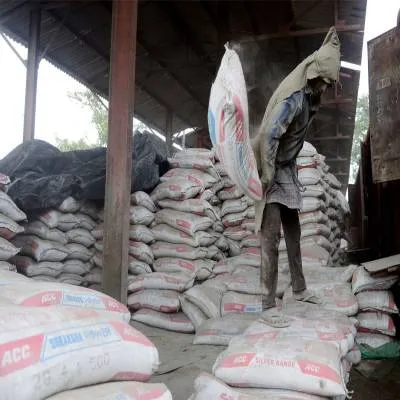
India’s cement sector is witnessing robust demand, supported by strong government infrastructure spending and sustained activity in the housing sector, according to Madhav Singhania, chairman of the Confederation of Indian Industry’s Delhi State and Northern Region Council. He said domestic consumption and infrastructure investment remained resilient despite global economic uncertainty and inflationary pressures.

Singhania said the government’s continued focus on infrastructure expenditure had supported cement consumption in recent months. He added that the industry expected the positive momentum to continue, with construction activity providing support to demand across the sector.

Residential construction remains an important contributor to cement consumption, but infrastructure development has emerged as a significant growth driver. Singhania said housing activity continued to be robust, while infrastructure investment had provided a substantial additional boost to the industry.

He welcomed the government’s decision under the GST 2.0 reforms to reduce the Goods and Services Tax on cement from 28 per cent to 18 per cent. According to Singhania, the lower tax rate was a positive development for the cement industry and would provide relief amid continuing cost pressures.

However, he said geopolitical developments, fuel inflation and broader macroeconomic uncertainty continued to pose challenges for businesses. Companies would need to remain agile in responding to changing conditions, while any normalisation in geopolitical tensions could ease inflationary pressures linked to global fuel prices.

Singhania was speaking on the sidelines of a CII press conference for the Banaras Biennale 2026. He said the industry-funded initiative would showcase Banaras’s art, textiles, music and living cultural traditions to audiences in India and abroad. CII aims to establish the event as a long-term cultural institution in Kashi and expand its scale in future editions.

India’s cement sector is witnessing robust demand, supported by strong government infrastructure spending and sustained activity in the housing sector, according to Madhav Singhania, chairman of the Confederation of Indian Industry’s Delhi State and Northern Region Council. He said domestic consumption and infrastructure investment remained resilient despite global economic uncertainty and inflationary pressures. Singhania said the government’s continued focus on infrastructure expenditure had supported cement consumption in recent months. He added that the industry expected the positive momentum to continue, with construction activity providing support to demand across the sector. Residential construction remains an important contributor to cement consumption, but infrastructure development has emerged as a significant growth driver. Singhania said housing activity continued to be robust, while infrastructure investment had provided a substantial additional boost to the industry. He welcomed the government’s decision under the GST 2.0 reforms to reduce the Goods and Services Tax on cement from 28 per cent to 18 per cent. According to Singhania, the lower tax rate was a positive development for the cement industry and would provide relief amid continuing cost pressures. However, he said geopolitical developments, fuel inflation and broader macroeconomic uncertainty continued to pose challenges for businesses. Companies would need to remain agile in responding to changing conditions, while any normalisation in geopolitical tensions could ease inflationary pressures linked to global fuel prices. Singhania was speaking on the sidelines of a CII press conference for the Banaras Biennale 2026. He said the industry-funded initiative would showcase Banaras’s art, textiles, music and living cultural traditions to audiences in India and abroad. CII aims to establish the event as a long-term cultural institution in Kashi and expand its scale in future editions.

Related Stories

Gold Stories
Next Story
Infrastructure Transport

Signature Global Consortium Wins 475-Acre Raigad Parcel for Rs. 1.94 bn

Signature Global has emerged as the successful bidder for a 474.66-acre land parcel in Maharashtra’s Raigad district for Rs. 1.94 bn through an online auction conducted under the asset monetisation process of PACL. The acquisition marks the Gurugram-based developer’s entry into the Mumbai Metropolitan Region (MMR). The consortium was led by Maa Vaishno Net-Tech, a wholly owned subsidiary of Signature Global. Under the consortium arrangement, 35 per cent equity in the subsidiary will be diluted, subject to necessary approvals, with the other partners acquiring the stake. Signature Global wi..
Next Story
Real Estate

K Raheja Corp to Develop 165-Acre Township in Mumbai MMR

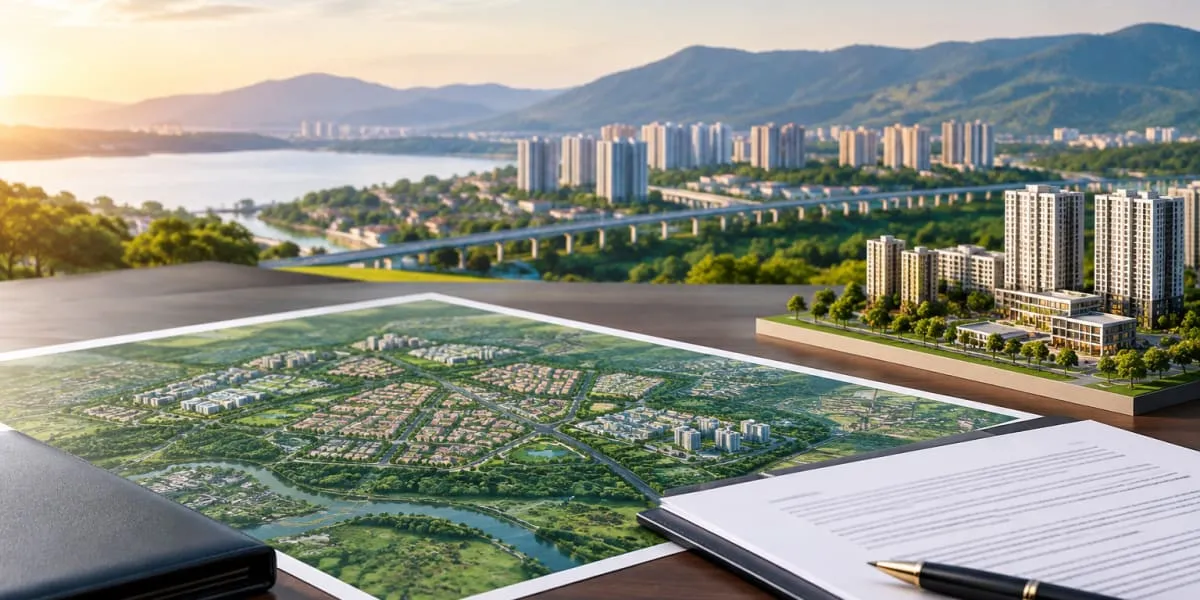
Mumbai-based real estate developer K Raheja Corp has entered into a joint development agreement with landowners to develop a 165-acre mixed-use township in Panvel, within the Mumbai Metropolitan Region. The agreement provides for revenue sharing between the developer and the landowners. Real estate data analytics firm CRE Matrix reviewed the joint development agreement, which was registered earlier this month. The document covers a large land parcel in Panvel, a growing development centre in the Mumbai Metropolitan Region and an important part of the wider Mumbai property market. Under the arr..
Next Story
Infrastructure Urban

Khan Market Ranks 24th Among World's Most Expensive Retail Streets

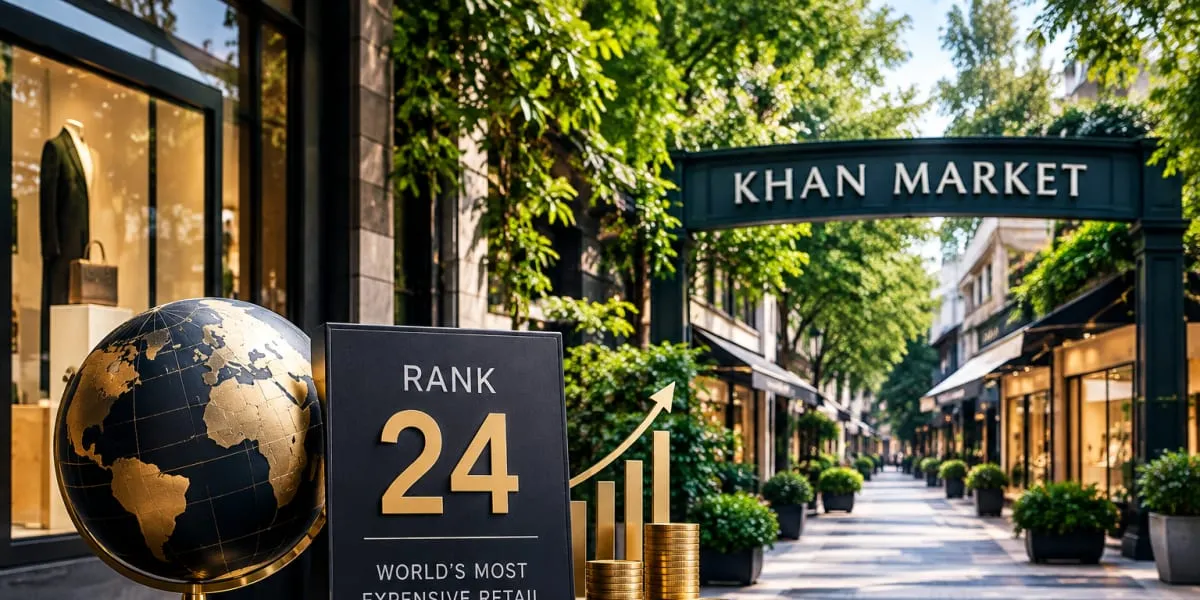
Delhi’s Khan Market has retained its 24th position among the world’s most expensive high-street retail locations, with annual rents rising 14 per cent year-on-year to about USD 238 per sq ft, according to real estate consultant Cushman & Wakefield. The market remains India’s most expensive high street. New York City’s Upper Fifth Avenue reclaimed the top position globally, overtaking London’s New Bond Street. Annual rents on the New York street increased 35 per cent to USD 2,700 per sq ft, after it ranked third in 2025. New Bond Street was second at USD 2,230 per sq ft, while Milanâ€..

Advertisement

Subscribe to Our Newsletter

Get daily newsletters around different themes from Construction world.

STAY CONNECTED

Advertisement

SPECIAL OFFER
QR Code