
JSW Cement Forays Into North India With Nagaur Plant
Cement

JSW Cement Forays Into North India With Nagaur Plant

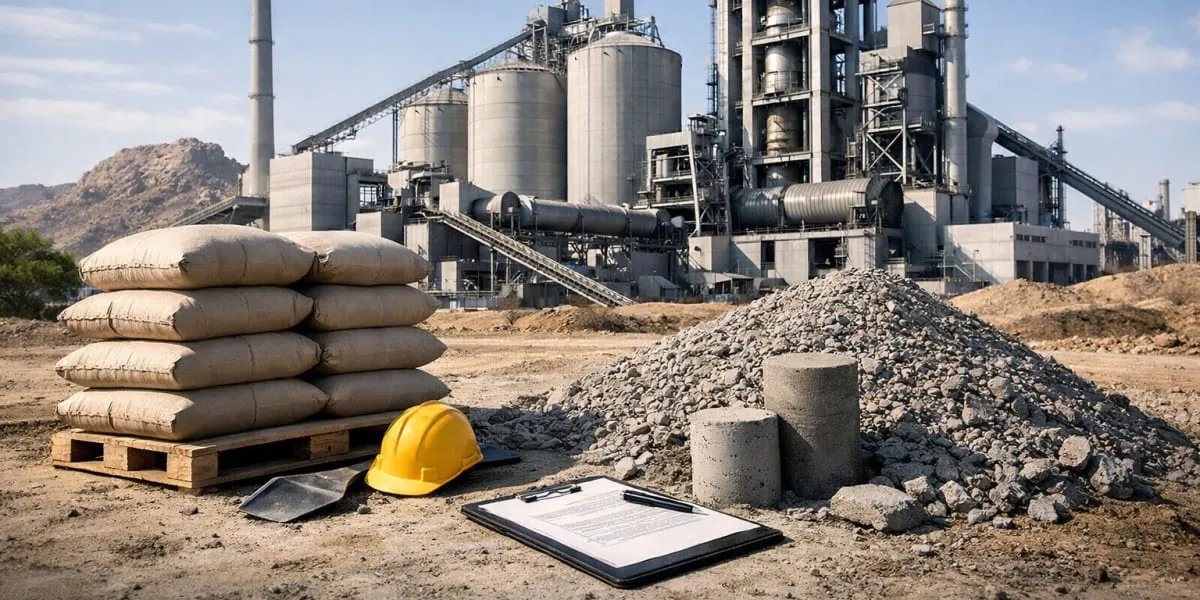
JSW Cement has commenced production at a greenfield integrated cement plant in Nagaur, Rajasthan, marking its first integrated facility in north India and extending the JSW Group's national presence. The Nagaur unit will serve high-growth markets in Rajasthan, Haryana, Punjab and the National Capital Region. The company presented the commissioning as a key step in its pan-India expansion.

The commencement increases the company's total cement grinding capacity to 24.1 million tonnes per annum (mn tpa) and brings total clinker manufacturing capacity, including the capacity at its joint venture JSW Cement FZC, to nine point seven four million tonnes per annum (mn tpa). The firm described these additions as strengthening its supply chain and regional reach. The Nagaur site is positioned strategically to reduce logistics for northern markets.

The Nagaur integrated plant comprises a three point three mn tpa clinkerisation unit and a two point five mn tpa cement grinding unit, with an additional one mn tpa grinding unit under construction. The facility was completed within 21 months, demonstrating the company's project execution capabilities. Management indicated the combined configuration will improve service levels and product availability across target states.

The plant was funded through a mix of equity and long-term debt and the company allocated eight billion (bn) Rs from the fresh issue proceeds of its initial public offering to part-finance the unit. The financing was presented as part of a broader capital plan to support capacity additions and operational enhancements. The firm said the investment aligns with its mid-term growth objectives.

The site is designed with sustainability measures including provision for co-processing alternative fuels, a seven kilometre overland belt conveyor to move limestone from nearby mines and a forthcoming 16 megawatt (MW) Waste Heat Recovery System to recycle process heat and lower emissions. The company reported the expansion brings it closer to its mid-term capacity target of 41.85 mn tpa and to a longer term ambition of 60 mn tpa.

JSW Cement has commenced production at a greenfield integrated cement plant in Nagaur, Rajasthan, marking its first integrated facility in north India and extending the JSW Group's national presence. The Nagaur unit will serve high-growth markets in Rajasthan, Haryana, Punjab and the National Capital Region. The company presented the commissioning as a key step in its pan-India expansion. The commencement increases the company's total cement grinding capacity to 24.1 million tonnes per annum (mn tpa) and brings total clinker manufacturing capacity, including the capacity at its joint venture JSW Cement FZC, to nine point seven four million tonnes per annum (mn tpa). The firm described these additions as strengthening its supply chain and regional reach. The Nagaur site is positioned strategically to reduce logistics for northern markets. The Nagaur integrated plant comprises a three point three mn tpa clinkerisation unit and a two point five mn tpa cement grinding unit, with an additional one mn tpa grinding unit under construction. The facility was completed within 21 months, demonstrating the company's project execution capabilities. Management indicated the combined configuration will improve service levels and product availability across target states. The plant was funded through a mix of equity and long-term debt and the company allocated eight billion (bn) Rs from the fresh issue proceeds of its initial public offering to part-finance the unit. The financing was presented as part of a broader capital plan to support capacity additions and operational enhancements. The firm said the investment aligns with its mid-term growth objectives. The site is designed with sustainability measures including provision for co-processing alternative fuels, a seven kilometre overland belt conveyor to move limestone from nearby mines and a forthcoming 16 megawatt (MW) Waste Heat Recovery System to recycle process heat and lower emissions. The company reported the expansion brings it closer to its mid-term capacity target of 41.85 mn tpa and to a longer term ambition of 60 mn tpa.

Next Story
Infrastructure Transport

AFCONS & Navayuga set world records with Missing Link Expressway

Maharashtra’s most ambitious greenfield bypass — a 13.3-km alignment carrying twin record-setting tunnels and India’s tallest cable-stayed road bridge — was thrown open to traffic on Maharashtra Day, finally completing the Mumbai–Pune Expressway after a 23-year wait. CW reports…The 650-m cable-stayed bridge over Tiger Valley at sunset — the package executed by Afcons Infrastructure Ltd carries 182-m pylons, the tallest on any Indian road bridge.On 1 May 2026, Chief Minister Devendra Fadnavis, flanked by Deputy Chief Ministers Eknath Shinde and Sunetra Pawar (representing the late..

Next Story
Infrastructure Transport

Mumbai–Pune Missing Link boosts realty prospects

The recently opened ‘missing link’ on the Mumbai–Pune Expressway is set to significantly transform connectivity between the two cities by reducing travel time and bypassing the challenging ghat section. The new alignment, featuring tunnels and viaducts, is designed to improve safety, ease congestion and ensure a smoother, faster commute for both passenger and commercial traffic.With improved travel efficiency, the corridor is expected to strengthen intercity movement, encouraging more frequent travel for work, leisure and logistics. This enhanced accessibility is likely to benefit real e..

Next Story
Infrastructure Urban

How Hormuz is Hijacking Indian Highways

At the recently held RAHSTA Round Table on 29th April in Pune, and earlier during our webinars for Cement Expo by Indian Cement Review and by FIRST Construction Council on manufacturing construction equipment for the world, one thread lay common: the industry is being subjected to a cost-push chain reaction moving from crude oil → freight/insurance → steel, cement fuel, bitumen, polymers, packaging, logistics and finally project margins. Indeed, the West Asia crisis caused by the war and the Hormuz Strait blockade, which does not directly concern us, has turned around and hit us. If the wa..

Advertisement

Subscribe to Our Newsletter

Get daily newsletters around different themes from Construction world.

STAY CONNECTED

Advertisement

Advertisement

Advertisement