NTPC Warns Against Single Supplier Risk In 100 GW Nuclear Push
OIL & GAS

NTPC Warns Against Single Supplier Risk In 100 GW Nuclear Push

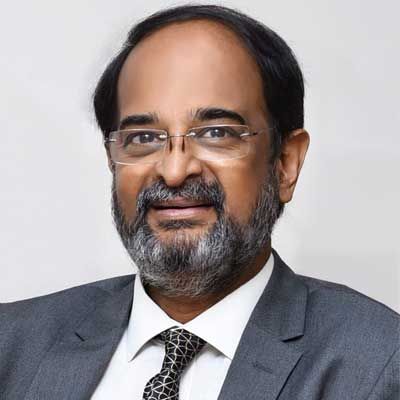
NTPC chairman Gurdeep Singh warned against overdependence on a single country or supplier as India pursues 100 gigawatt (GW) of nuclear power by 2047 under the SHANTI Act, 2025. He said diversified technology sourcing and long term fuel arrangements were essential to protect energy security and national control over technology. Singh added India should prefer domestic options even if they were five to 10 per cent costlier initially.

He spoke at a Central Electricity Authority workshop on operationalising the SHANTI Act and scaling nuclear capacity through public private partnership. Singh stressed that clear rules and faster implementation would be critical to convert legislative intent into investment. An official press release cited long term fuel availability, safety and energy security as priorities.

India’s present nuclear capacity is eight point seven eight GW excluding RAPS one and projects under implementation are expected to raise capacity to about 22 GW by 2031–32, according to a March 2026 government release. The 2047 ambition implies a more than tenfold expansion and NTPC aims to build 30 GW by that year while exploring sites across 14 states. Earlier reporting by Reuters said NTPC’s plans could entail partnerships and project financing at an estimated cost of $62 bn.

Singh indicated large capacity reactor sets should be the focus for a major power producer and that small modular reactors might be better suited for captive industrial use despite higher standby costs. Other officials emphasised source diversification for uninterrupted fuel supply and long term procurement. DAE and CEA representatives discussed financial preparedness, risk sharing mechanisms and global technology partnerships.

NTPC reports an installed group capacity of 89,805.30 megawatt (MW) across coal, gas, hydro, solar, wind and storage assets and holds 17 per cent of India’s total power generation capacity. The company contributed 24 per cent of total power generation as of March 31, 2026.

NTPC chairman Gurdeep Singh warned against overdependence on a single country or supplier as India pursues 100 gigawatt (GW) of nuclear power by 2047 under the SHANTI Act, 2025. He said diversified technology sourcing and long term fuel arrangements were essential to protect energy security and national control over technology. Singh added India should prefer domestic options even if they were five to 10 per cent costlier initially. He spoke at a Central Electricity Authority workshop on operationalising the SHANTI Act and scaling nuclear capacity through public private partnership. Singh stressed that clear rules and faster implementation would be critical to convert legislative intent into investment. An official press release cited long term fuel availability, safety and energy security as priorities. India’s present nuclear capacity is eight point seven eight GW excluding RAPS one and projects under implementation are expected to raise capacity to about 22 GW by 2031–32, according to a March 2026 government release. The 2047 ambition implies a more than tenfold expansion and NTPC aims to build 30 GW by that year while exploring sites across 14 states. Earlier reporting by Reuters said NTPC’s plans could entail partnerships and project financing at an estimated cost of $62 bn. Singh indicated large capacity reactor sets should be the focus for a major power producer and that small modular reactors might be better suited for captive industrial use despite higher standby costs. Other officials emphasised source diversification for uninterrupted fuel supply and long term procurement. DAE and CEA representatives discussed financial preparedness, risk sharing mechanisms and global technology partnerships. NTPC reports an installed group capacity of 89,805.30 megawatt (MW) across coal, gas, hydro, solar, wind and storage assets and holds 17 per cent of India’s total power generation capacity. The company contributed 24 per cent of total power generation as of March 31, 2026.

Next Story
Building Material

Enlight Metals to Expand Raipur Plant Capacity

Enlight Metals has announced plans to expand the production capacity of its Raipur manufacturing facility from around 1,200 tonnes to nearly 4,000 tonnes.The expansion is aimed at strengthening the company’s ability to serve rising demand across industrial, infrastructure and contract manufacturing requirements.Located in Raipur, Chhattisgarh, the facility serves as a key manufacturing hub for Enlight Metals. The planned capacity enhancement is expected to improve supply capabilities, operational efficiency and the company’s ability to handle larger project requirements.The facility includ..

Next Story
Infrastructure Urban

Hindustan Zinc Partners Sulfozyme for Zinc Park Project

Hindustan Zinc has signed a Memorandum of Understanding with Sulfozyme Agro India under its Zinc Industrial Park initiative at Khankhala in Bhilwara district, Rajasthan. The partnership aims to strengthen India’s downstream zinc sector through sustainable metal recovery, resource efficiency and industrial development.Under the agreement, Sulfozyme Agro will establish proposed operations at the Zinc Industrial Park to process zinc-based materials into value-added products for industrial and downstream applications.Hindustan Zinc will support the venture through assured raw material linkage an..

Next Story
Infrastructure Urban

Cortec MCI Technology Restores Croatia Monuments

Cortec’s Migrating Corrosion Inhibitor technology has been used in restoration works for historic monuments in Croatia, including the Church of St Donatus in Zadar and the medieval city walls of Ilok.The Church of St Donatus, one of the most significant pre-Romanesque churches in Europe, is listed in the Register of Cultural Goods of the Republic of Croatia and is under UNESCO protection. The monument required urgent rehabilitation after 3D scanning analysis identified critical issues in the church walls, main structure and roof.The reinforced concrete support structure beneath the roof, ins..

Advertisement

Subscribe to Our Newsletter

Get daily newsletters around different themes from Construction world.

STAY CONNECTED

Advertisement

Advertisement

Advertisement