
India’s Coal Backbone Holds Firm
COAL & MINING

India’s Coal Backbone Holds Firm

India’s energy ecosystem is showing early signs of stress amid ongoing geopolitical disruptions in West Asia, impacting global energy supply chains, particularly through critical routes such as the Strait of Hormuz. Addressing Parliament recently, Narendra Modi termed the situation concerning while assuring proactive measures to safeguard energy security.

Industrial clusters are witnessing localised disruptions in CNG and LPG supply, prompting businesses to shift towards alternative fuels such as coal. With India importing nearly half of its natural gas requirements as LNG, industries remain highly exposed to global supply uncertainties. In contrast, the power sector continues to remain stable due to its strong dependence on coal and renewables.

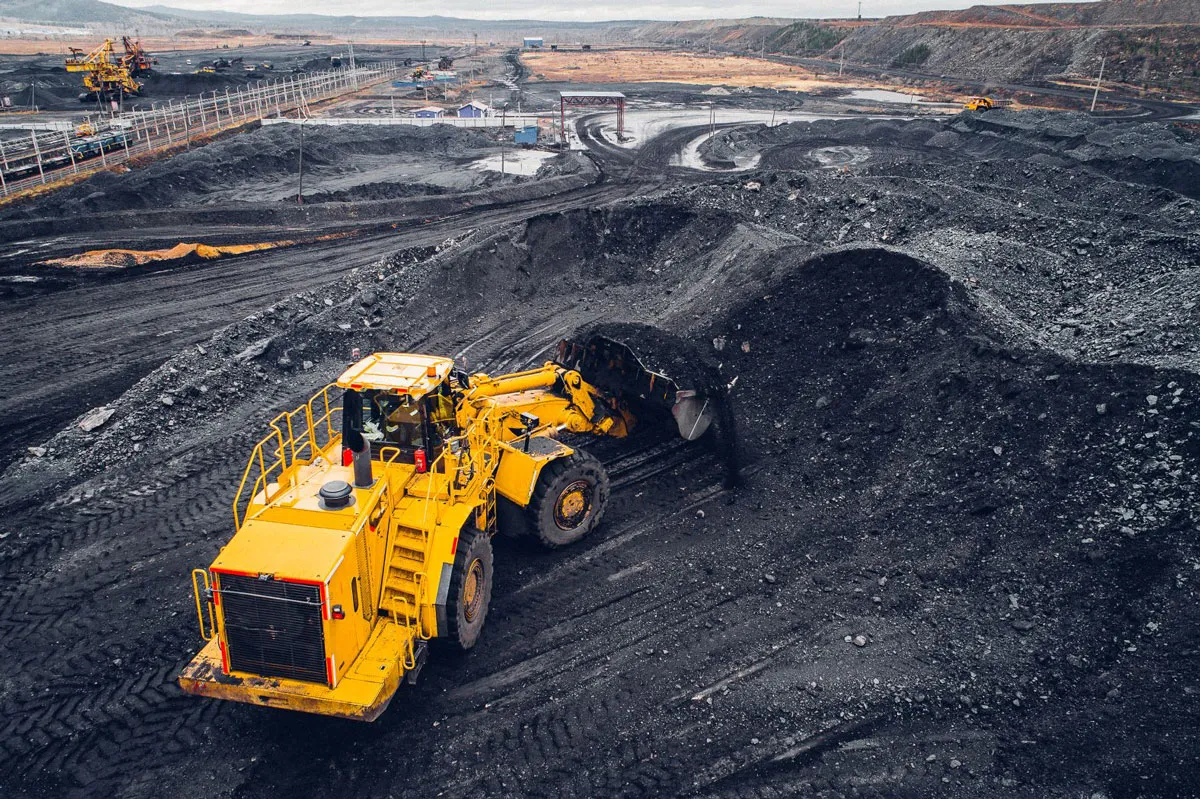
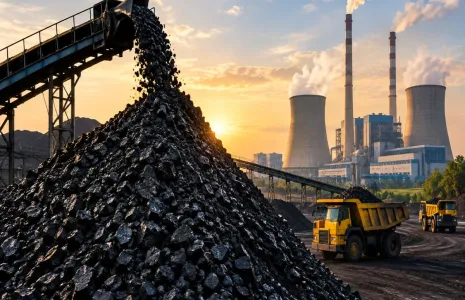
Coal demand has risen steadily, crossing 1.25 billion tonnes annually, driven by sectors such as power, cement and sponge iron. Recent trends indicate tightening demand, with Coal India’s e-auction premiums reaching around 35 per cent above notified prices, reflecting increased urgency among buyers.

While substitution remains limited in sectors like fertilisers and chemicals, coal has emerged as a critical fallback option in the short to medium term. Despite firming demand, the market remains balanced, supported by adequate domestic availability and healthy stock levels of 18–20 days at power plants.

According to Vinaya Varma, the current scenario reflects a behavioural shift in fuel consumption, with coal playing a key role in maintaining operational continuity during global uncertainty. Overall, while no immediate energy crisis is evident, evolving disruptions are beginning to test India’s energy resilience."

India’s energy ecosystem is showing early signs of stress amid ongoing geopolitical disruptions in West Asia, impacting global energy supply chains, particularly through critical routes such as the Strait of Hormuz. Addressing Parliament recently, Narendra Modi termed the situation concerning while assuring proactive measures to safeguard energy security.Industrial clusters are witnessing localised disruptions in CNG and LPG supply, prompting businesses to shift towards alternative fuels such as coal. With India importing nearly half of its natural gas requirements as LNG, industries remain highly exposed to global supply uncertainties. In contrast, the power sector continues to remain stable due to its strong dependence on coal and renewables.Coal demand has risen steadily, crossing 1.25 billion tonnes annually, driven by sectors such as power, cement and sponge iron. Recent trends indicate tightening demand, with Coal India’s e-auction premiums reaching around 35 per cent above notified prices, reflecting increased urgency among buyers.While substitution remains limited in sectors like fertilisers and chemicals, coal has emerged as a critical fallback option in the short to medium term. Despite firming demand, the market remains balanced, supported by adequate domestic availability and healthy stock levels of 18–20 days at power plants.According to Vinaya Varma, the current scenario reflects a behavioural shift in fuel consumption, with coal playing a key role in maintaining operational continuity during global uncertainty. Overall, while no immediate energy crisis is evident, evolving disruptions are beginning to test India’s energy resilience.

Next Story
Real Estate

Housing Sales Dip 7 per cent QoQ Across Top Cities

India’s housing market saw a 7 per cent quarter-on-quarter decline in sales across the top seven cities in Q1 2026, with approximately 1,01,675 units sold compared to 1,08,970 units in Q4 2025, according to ANAROCK Group. However, on a yearly basis, sales rose 9 per cent, indicating continued underlying demand.The total sales value stood at around Rs 1.51 trillion, reflecting a 5 per cent quarterly drop but a 6 per cent annual increase. Mumbai Metropolitan Region and Bengaluru together accounted for nearly 48 per cent of total sales, while Chennai recorded the highest quarterly decline at 18..

Next Story
Real Estate

Birla Estates Enters Mumbai Redevelopment

Birla Estates has announced its entry into Mumbai’s redevelopment segment with a luxury residential project in Khar West, developed in partnership with Parinee Real Estate Builders. The project will redevelop Anmol Co-operative Housing Society and Bhartiya Bhavan Co-operative Housing Society, marking the company’s first redevelopment initiative in the Mumbai Metropolitan Region.Spread across 1.3 acres, the development will offer a saleable area of 2.9 lakh sq ft with an estimated revenue potential of Rs 17 billion. Positioned in one of Mumbai’s prime residential micro-markets, the projec..

Next Story
Infrastructure Urban

Hitachi, MUFG Expand EV Financing Model

Hitachi and MUFG Bank have expanded their NextGen business co-creation model to accelerate decarbonised mobility by financing electric vehicles and charging infrastructure. The renewed collaboration aims to address key barriers to electrification, including limited access to capital and the need for integrated energy solutions.Building on earlier partnerships, the expanded model extends beyond battery-focused solutions to include electric mobility assets, charging systems and energy management infrastructure across global markets. The initiative will leverage structured financing through speci..

Advertisement

Subscribe to Our Newsletter

Get daily newsletters around different themes from Construction world.

STAY CONNECTED

Advertisement

Advertisement

Advertisement