+
Jharkhand To Showcase Critical Minerals At Davos
COAL & MINING

Jharkhand To Showcase Critical Minerals At Davos

Jharkhand will position itself as India’s emerging hub for critical minerals at the World Economic Forum (WEF) Annual Meeting 2026 in Davos, marking the state’s first participation at the global summit led by Chief Minister Hemant Soren. The CM will also visit the United Kingdom following the Davos meet to deepen international partnerships.

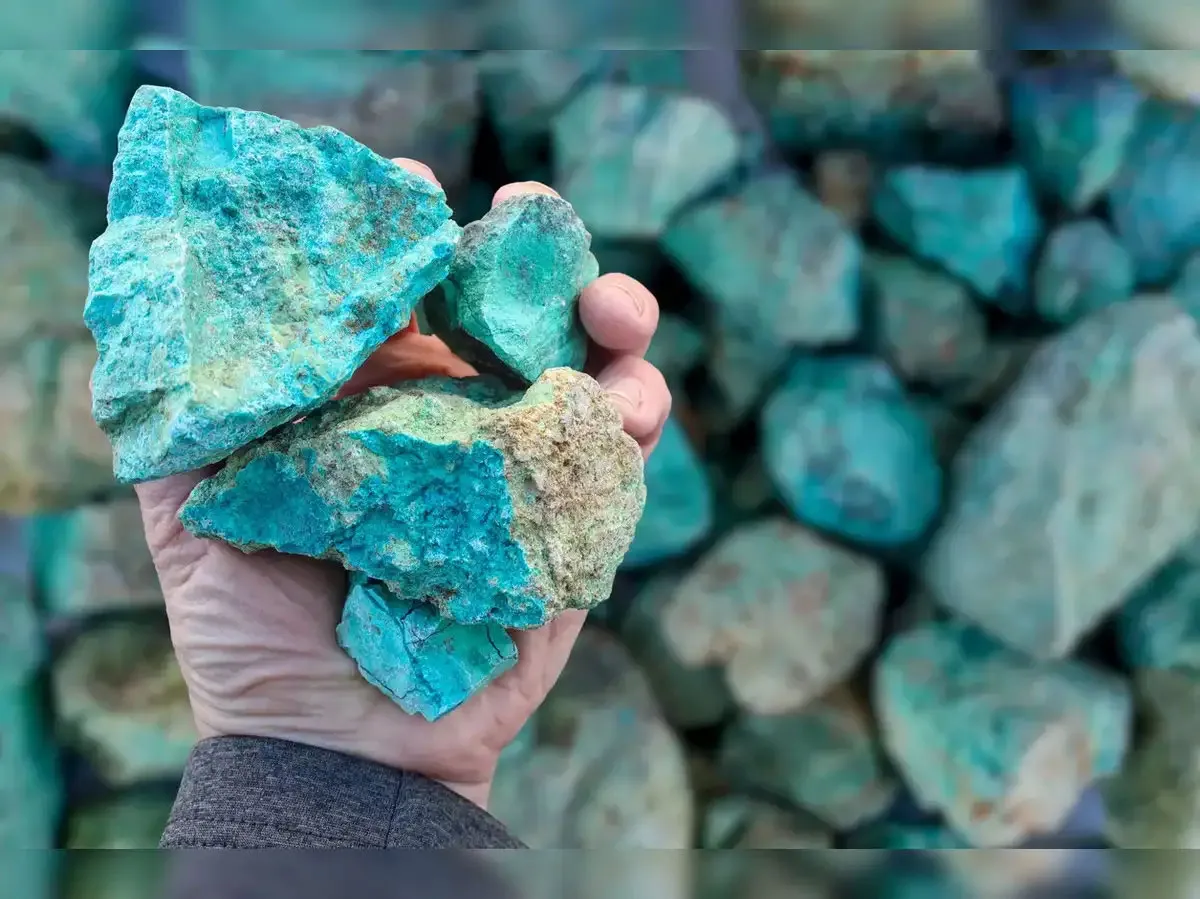
According to an official statement, the Soren-led delegation will present Jharkhand’s legacy as one of India’s most resource-rich mining regions and highlight its role in powering the clean-energy economy. The state sits on the ancient Singhbhum geological belt and holds vast reserves of iron ore, copper, coal, bauxite, uranium, limestone and other strategic minerals vital for renewable energy, electric mobility, advanced manufacturing, digital infrastructure and defence.

Jharkhand’s mineral base has historically supported landmark industrial institutions such as Tata Steel in Jamshedpur — India’s first integrated steel plant — along with major public sector enterprises including SAIL, Hindustan Copper and Uranium Corporation of India. The government said this legacy is now being reshaped to support global demand for critical minerals used in solar panels, wind turbines, batteries, hydrogen technologies and electric vehicles.

As India seeks to reduce strategic dependencies and strengthen supply chains, Jharkhand is shifting from raw mineral extraction towards processing, refining and downstream manufacturing. At Davos, the state will present its development model themed “Growth in Harmony with Nature”, emphasising responsible mining, advanced processing technologies, environmental safeguards and community-centred governance.

The delegation will hold policy dialogues and investment meetings at the India Pavilion, followed by targeted engagements in the UK to promote opportunities in mineral exploration, green steel, battery materials, advanced alloys and clean-energy supply chains. These efforts aim to attract long-term investment and technology collaborations to drive sustainable industrial growth.

The government said Jharkhand’s participation comes as the state marks 25 years of statehood and charts a roadmap towards 2050, positioning its mineral wealth as central to both India’s energy security and the global clean-energy transition. A Critical Minerals Centre has also recently been launched at IIT (ISM) Dhanbad under the National Critical Minerals Mission.

Following the Davos meet (18–24 January), Hemant Soren will deliver a special lecture at the Blavatnik School of Government, University of Oxford, becoming the first Indian Chief Minister to address the institution.

Jharkhand will position itself as India’s emerging hub for critical minerals at the World Economic Forum (WEF) Annual Meeting 2026 in Davos, marking the state’s first participation at the global summit led by Chief Minister Hemant Soren. The CM will also visit the United Kingdom following the Davos meet to deepen international partnerships. According to an official statement, the Soren-led delegation will present Jharkhand’s legacy as one of India’s most resource-rich mining regions and highlight its role in powering the clean-energy economy. The state sits on the ancient Singhbhum geological belt and holds vast reserves of iron ore, copper, coal, bauxite, uranium, limestone and other strategic minerals vital for renewable energy, electric mobility, advanced manufacturing, digital infrastructure and defence. Jharkhand’s mineral base has historically supported landmark industrial institutions such as Tata Steel in Jamshedpur — India’s first integrated steel plant — along with major public sector enterprises including SAIL, Hindustan Copper and Uranium Corporation of India. The government said this legacy is now being reshaped to support global demand for critical minerals used in solar panels, wind turbines, batteries, hydrogen technologies and electric vehicles. As India seeks to reduce strategic dependencies and strengthen supply chains, Jharkhand is shifting from raw mineral extraction towards processing, refining and downstream manufacturing. At Davos, the state will present its development model themed “Growth in Harmony with Nature”, emphasising responsible mining, advanced processing technologies, environmental safeguards and community-centred governance. The delegation will hold policy dialogues and investment meetings at the India Pavilion, followed by targeted engagements in the UK to promote opportunities in mineral exploration, green steel, battery materials, advanced alloys and clean-energy supply chains. These efforts aim to attract long-term investment and technology collaborations to drive sustainable industrial growth. The government said Jharkhand’s participation comes as the state marks 25 years of statehood and charts a roadmap towards 2050, positioning its mineral wealth as central to both India’s energy security and the global clean-energy transition. A Critical Minerals Centre has also recently been launched at IIT (ISM) Dhanbad under the National Critical Minerals Mission. Following the Davos meet (18–24 January), Hemant Soren will deliver a special lecture at the Blavatnik School of Government, University of Oxford, becoming the first Indian Chief Minister to address the institution.

Next Story
Infrastructure Energy

Jyoti Structures expands manufacturing capacity in Nashik

The announcement Jyoti Structures (JSL) reported steady operational performance in 2025, supported by stable project execution across its power transmission portfolio. The company commissioned galvanisation operations at its second Nashik manufacturing unit, adding 33,000 MT of annual capacity. This increased aggregate tower manufacturing capability at Nashik to approximately 69,000 MT per annum, aimed at improving fabrication accuracy, scheduling control and delivery predictability. JSL also expanded its workforce to over 750 employees, onboarding more than 70 engineers during the year. C..

Next Story
Infrastructure Energy

TSPL Mega Health Camp Reaches 338 Residents in Mansa

Talwandi Sabo Power (TSPL), Punjab’s largest and North India’s largest private thermal power plant, organised a Mega Health Camp at Village Raipur, Mansa, under its flagship healthcare initiative Project SEHAT. The camp benefitted 338 community members through free consultations and diagnostic services.A team comprising a General Physician, Gynaecologist, Dermatologist and Dentist provided medical advice and treatment. Beneficiaries received free diagnostic tests including BP, HB, blood sugar, malaria, dengue and blood group tests, along with free medicines.The camp was inaugurated by Vill..

Next Story
Infrastructure Transport

Mumbai Coastal Road Musical Path Plays Jai Ho

Mumbai inaugurated India’s first musical path on the Coastal Road that plays the song Jai Ho for motorists. The civic administration said the installation used Hungarian technology and that the intention was to implement the concept of Sangeet Marg in future projects. A senior official suggested implementing a pilot on the Samruddhi Expressway, which connects Mumbai and Nagpur. City officials described the inauguration as a symbolic demonstration of collaboration between municipal authorities and foreign partners. The inauguration was attended by the Consul General of Hungary Ferenc Jari, f..

Advertisement

Subscribe to Our Newsletter

Get daily newsletters around different themes from Construction world.

STAY CONNECTED

Advertisement

Advertisement

Advertisement

Open In App