Jonnagiri Gold Mine to Boost India’s Domestic Production
COAL & MINING

Jonnagiri Gold Mine to Boost India’s Domestic Production

India will see its first large-scale private gold mine with the launch of the Jonnagiri project in Andhra Pradesh’s Kurnool district. The development, led by Geomysore Services India Pvt Ltd with backing from Thriveni Earthmovers & Infra and Deccan Gold Mines Ltd, aims to reduce the country’s reliance on imported gold and to strengthen the Aatmanirbhar Bharat vision in minerals. The mine covers nearly 598 hectares across Jonnagiri, Erragudi and Pagidirayi villages and the processing plant moved from construction to pre commercial operation in 13 months. More than Rs 4,000 million (mn) has been invested and the state government plans a dedication in early May 2026.

Certified resources at the site are reported at 13.1 tonne (t) and exploration indicates potential reserves of up to 42.5 tonne. At peak capacity the project is expected to produce nearly 1,000 kilogram (kg) of refined gold each year for the next 15 years. Hutti Gold Mines in Karnataka remains the only significant existing large producer, yielding around one point five t annually while the closure of the Kolar Gold Fields in 2000 left a long gap in large scale domestic mining.

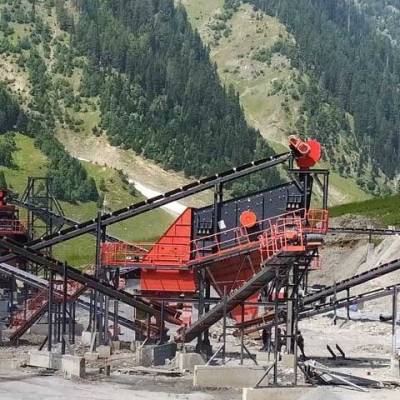
The processing route uses open pit mining with drilling and controlled blasting followed by crushing, grinding and gravity separation before a carbon in leach system and electro winning to recover gold. Recovered material is refined and smelted into doré bars at the plant, completing the transformation from rock to saleable product. Company statements indicate the plant is in the final stage of pre commercial operations while officials say commissioning milestones are under way ahead of commercial production.

Industry observers suggest the project could encourage increased private investment in exploration for gold and other critical minerals, which may broaden the domestic supply base and ease pressure on foreign exchange. The initiative aligns with policy aims to conserve reserves and to build capacity in mineral processing and value addition within India. Further work on exploration and resource modelling will determine whether indicated quantities can be converted into economically viable long term reserves.

India will see its first large-scale private gold mine with the launch of the Jonnagiri project in Andhra Pradesh’s Kurnool district. The development, led by Geomysore Services India Pvt Ltd with backing from Thriveni Earthmovers & Infra and Deccan Gold Mines Ltd, aims to reduce the country’s reliance on imported gold and to strengthen the Aatmanirbhar Bharat vision in minerals. The mine covers nearly 598 hectares across Jonnagiri, Erragudi and Pagidirayi villages and the processing plant moved from construction to pre commercial operation in 13 months. More than Rs 4,000 million (mn) has been invested and the state government plans a dedication in early May 2026. Certified resources at the site are reported at 13.1 tonne (t) and exploration indicates potential reserves of up to 42.5 tonne. At peak capacity the project is expected to produce nearly 1,000 kilogram (kg) of refined gold each year for the next 15 years. Hutti Gold Mines in Karnataka remains the only significant existing large producer, yielding around one point five t annually while the closure of the Kolar Gold Fields in 2000 left a long gap in large scale domestic mining. The processing route uses open pit mining with drilling and controlled blasting followed by crushing, grinding and gravity separation before a carbon in leach system and electro winning to recover gold. Recovered material is refined and smelted into doré bars at the plant, completing the transformation from rock to saleable product. Company statements indicate the plant is in the final stage of pre commercial operations while officials say commissioning milestones are under way ahead of commercial production. Industry observers suggest the project could encourage increased private investment in exploration for gold and other critical minerals, which may broaden the domestic supply base and ease pressure on foreign exchange. The initiative aligns with policy aims to conserve reserves and to build capacity in mineral processing and value addition within India. Further work on exploration and resource modelling will determine whether indicated quantities can be converted into economically viable long term reserves.

Next Story
Infrastructure Urban

Centre Examines Duty Relief Under MOOWR For Battery Storage Imports

The finance ministry is examining whether to continue customs warehousing benefits under the Manufacture and Other Operations in Warehouse Regulations, 2019 framework for imported battery energy storage systems. It plans consultations with the ministries of power and new and renewable energy to decide on the future scope of duty and GST deferment for such imports. The review follows concerns from the renewable energy sector that the current approach is creating an uneven playing field. Under the regulations, companies may import goods without paying customs duty or goods and services tax upfro..

Next Story
Infrastructure Urban

Jamshedpur MP Seeks Rs 4,820 Million Plan For Tatanagar Platforms

Member of Parliament Bidyut Baran Mahato held a meeting with Vikas Jain, Executive Director (Public Grievances) of the Railway Board, following a special session of Parliament to press for accelerated rail infrastructure work around Jamshedpur and Tatanagar. The discussions addressed a range of projects that the ministry is prioritising for the area. Final Location Surveys for the construction of the fourth and fifth railway lines between Pandrasali and Kandra and for the development of a satellite station near Tatanagar have already been approved, clearing the way for detailed planning. Mahat..

Next Story
Infrastructure Energy

Final Batch Of Two 3,300 HP Locomotives Reach Mozambique

The final batch of two 3,300 horsepower (hp) locomotives manufactured by Banaras Locomotive Works (BLW) has reached Mozambique, marking completion of an export consignment. The locomotives arrived at Maputo harbour and were cleared for onward movement to the national rail operator. The shipment closes a programme that began with earlier consignments delivered over the past months. Banaras Locomotive Works, a production unit of Indian Railways, built the locomotives under a contract with the Mozambican rail authority and managed the final inspections and commissioning preparations prior to disp..

Advertisement

Subscribe to Our Newsletter

Get daily newsletters around different themes from Construction world.

STAY CONNECTED

Advertisement

Advertisement

Advertisement