RLDA Launches ISFM Model at Gomti Nagar, Chandigarh Stations
RAILWAYS & METRO RAIL

RLDA Launches ISFM Model at Gomti Nagar, Chandigarh Stations

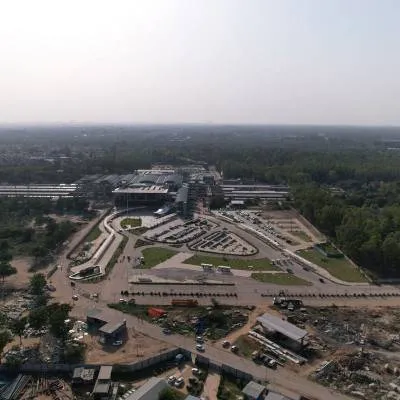
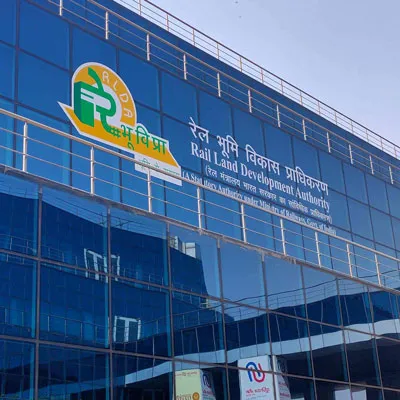
The Rail Land Development Authority (RLDA) has introduced the Integrated Station Facility Management (ISFM) initiative at Gomti Nagar and Chandigarh railway stations, marking a major step in transforming station operations and enhancing passenger experience. ISFM integrates housekeeping, operations and maintenance, and commercial management under a single framework through a transparent bidding process.

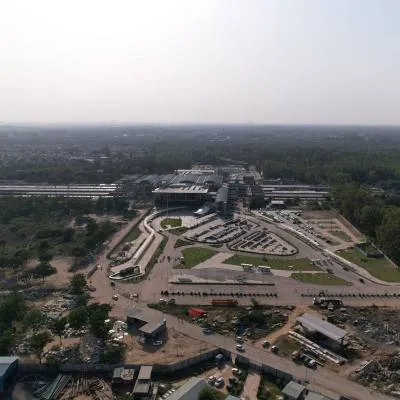
Gomti Nagar Railway Station in Lucknow is the first to implement the model, with bids invited for appointing an ISFM agency. The redeveloped station features central air-conditioning, CCTV, lifts and escalators, along with commercial spaces for food courts, retail, parking, advertising, paid lounges, kiosks, cloakrooms and offices.

The model is now being extended to Chandigarh Railway Station, located on Madhya Marg with connectivity to Chandigarh and Panchkula, and serving premium trains including Shatabdi Express and Vande Bharat. Commercial opportunities include food courts, retail units, large parking zones, advertising spaces, paid lounges and office areas. The station incorporates advanced systems such as CCTV, escalators, solar panels, auto-sensor doors and a Building Management System.

ISFM Project Details

Contract period: 9 years for both stations

Reserve annual licence fee (Year 1): Rs 14.6 million for Gomti Nagar; Rs 28.8 million for Chandigarh

E-bid deadlines: 5 December 2025 (Gomti Nagar), 8 December 2025 (Chandigarh)

The Notice Inviting Tender for Safdarjung station was issued on 20 November 2025, with RFPs for Bhubaneswar and Gurugram to follow.

Vice Chairman RLDA, Shri Manoj Garg, said, “The ISFM initiative is designed to deliver top-quality maintenance, world-class passenger services, and high-value commercial facilities. By on boarding an experienced and competent agency, we aim to set a new benchmark for the operation and upkeep of railway stations in India.”

The initiative aims to turn stations into passenger-centric urban hubs, supporting efficient facility management and expanded commercial potential.

The Rail Land Development Authority (RLDA) has introduced the Integrated Station Facility Management (ISFM) initiative at Gomti Nagar and Chandigarh railway stations, marking a major step in transforming station operations and enhancing passenger experience. ISFM integrates housekeeping, operations and maintenance, and commercial management under a single framework through a transparent bidding process.Gomti Nagar Railway Station in Lucknow is the first to implement the model, with bids invited for appointing an ISFM agency. The redeveloped station features central air-conditioning, CCTV, lifts and escalators, along with commercial spaces for food courts, retail, parking, advertising, paid lounges, kiosks, cloakrooms and offices.The model is now being extended to Chandigarh Railway Station, located on Madhya Marg with connectivity to Chandigarh and Panchkula, and serving premium trains including Shatabdi Express and Vande Bharat. Commercial opportunities include food courts, retail units, large parking zones, advertising spaces, paid lounges and office areas. The station incorporates advanced systems such as CCTV, escalators, solar panels, auto-sensor doors and a Building Management System.ISFM Project DetailsContract period: 9 years for both stationsReserve annual licence fee (Year 1): Rs 14.6 million for Gomti Nagar; Rs 28.8 million for ChandigarhE-bid deadlines: 5 December 2025 (Gomti Nagar), 8 December 2025 (Chandigarh)The Notice Inviting Tender for Safdarjung station was issued on 20 November 2025, with RFPs for Bhubaneswar and Gurugram to follow.Vice Chairman RLDA, Shri Manoj Garg, said, “The ISFM initiative is designed to deliver top-quality maintenance, world-class passenger services, and high-value commercial facilities. By on boarding an experienced and competent agency, we aim to set a new benchmark for the operation and upkeep of railway stations in India.”The initiative aims to turn stations into passenger-centric urban hubs, supporting efficient facility management and expanded commercial potential.

Next Story
Infrastructure Transport

Dhalbhumgarh Airport Faces 150-km Rule Hurdle

The issue has resurfaced following a recent statement by Union Civil Aviation Minister Ram Mohan Naidu, who said that under existing aviation policy, a new greenfield airport is generally not permitted within an aerial distance of 150 kilometres of an operational civilian airport. He added, however, that if a formal proposal is submitted, its impact on the existing airport can be examined and relaxations may be considered on a case-by-case basis. While the clarification has revived some hope for Dhalbhumgarh, it has also underlined the scale of the technical challenge facing the project. Unde..

Next Story
Infrastructure Transport

Stakeholders Seek Parallel Ops For Vizag Airports

With road and metro rail links to Bhogapuram still several years away, stakeholders in north Andhra Pradesh have renewed demands to continue civil operations at INS Dega even after the commissioning of Bhogapuram International Airport. The new airport is expected to begin commercial operations from June. Officials said close to 80 per cent of the airport infrastructure at Bhogapuram, including the terminal building and internal approach roads, has already been completed. However, inadequate external connectivity remains a key concern. Making a case for parallel operations, Andhra Pradesh Air ..

Next Story
Infrastructure Transport

Govt To Roll Out V2V Tech To Cut Road Crashes

In an effort to curb road accidents, particularly in low-visibility conditions such as dense fog, the government is set to roll out vehicle-to-vehicle (V2V) communication technology that will allow cars to exchange real-time data and alert drivers to potential dangers. The announcement was made by Union Road Transport and Highways Minister Nitin Gadkari after the 43rd meeting of the Transport Development Council. The technology involves installing an on-board unit (OBU) in vehicles, enabling wireless data exchange between nearby cars. This will allow vehicles to share information such as spee..

Advertisement

Subscribe to Our Newsletter

Get daily newsletters around different themes from Construction world.

STAY CONNECTED

Advertisement

Advertisement

Advertisement

Advertisement

Open In App