



Gas Based Plants Becoming Impractical, NTPC Chief Says
OIL & GAS

Gas Based Plants Becoming Impractical, NTPC Chief Says

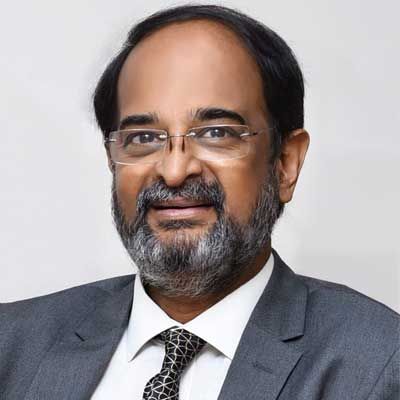
NTPC chairman Gurdeep Singh has said that gas based power plants are increasingly becoming impractical as a generation option in the present market and policy environment. He warned that persistent supply constraints and elevated gas prices have eroded the commercial viability of such plants, prompting the central public sector firm to reassess investment plans. The observation reflects broader industry concern over the economics of firming capacity using gas.

Singh attributed the shift to a combination of tight domestic gas availability, the cost of imported liquefied natural gas and the low utilisation of existing gas units, which together raise generation costs. He said that prolonged periods of low plant load factors make it difficult to recover fixed costs and justify long term operation of gas based stations. The chairman noted that tariff outcomes and investor confidence are affected when fuel supply and price signals remain uncertain.

The assessment is likely to influence future capacity allocation and project pipelines, with the company placing greater emphasis on renewables and flexible thermal options. Singh indicated that conversion of some assets to multi fuel operation and exploration of firming solutions could be considered to preserve system reliability. He also highlighted the need for clear policy on fuel allocation, contracting arrangements and market mechanisms to ensure energy security while managing costs.

NTPC is exploring alternative pathways such as green hydrogen and enhanced grid flexibility to reduce dependence on gas for peaking and mid merit generation. The chairman urged coordinated action between regulators, fuel suppliers and generators to craft pragmatic solutions that balance affordability, reliability and decarbonisation goals. Industry observers said that policy clarity will be crucial to guide investment decisions.

NTPC chairman Gurdeep Singh has said that gas based power plants are increasingly becoming impractical as a generation option in the present market and policy environment. He warned that persistent supply constraints and elevated gas prices have eroded the commercial viability of such plants, prompting the central public sector firm to reassess investment plans. The observation reflects broader industry concern over the economics of firming capacity using gas. Singh attributed the shift to a combination of tight domestic gas availability, the cost of imported liquefied natural gas and the low utilisation of existing gas units, which together raise generation costs. He said that prolonged periods of low plant load factors make it difficult to recover fixed costs and justify long term operation of gas based stations. The chairman noted that tariff outcomes and investor confidence are affected when fuel supply and price signals remain uncertain. The assessment is likely to influence future capacity allocation and project pipelines, with the company placing greater emphasis on renewables and flexible thermal options. Singh indicated that conversion of some assets to multi fuel operation and exploration of firming solutions could be considered to preserve system reliability. He also highlighted the need for clear policy on fuel allocation, contracting arrangements and market mechanisms to ensure energy security while managing costs. NTPC is exploring alternative pathways such as green hydrogen and enhanced grid flexibility to reduce dependence on gas for peaking and mid merit generation. The chairman urged coordinated action between regulators, fuel suppliers and generators to craft pragmatic solutions that balance affordability, reliability and decarbonisation goals. Industry observers said that policy clarity will be crucial to guide investment decisions.

Next Story
Technology

India Data Centre Market to Cross USD 22 Bn by 2030: Vestian

India’s data centre market is projected to more than double from around USD 10 billion in 2025 to USD 22 billion by 2030, according to a latest report by Vestian. The growth is expected to be driven by rising cloud adoption, expanding AI workloads and increasing demand for data-intensive digital services.Vestian noted that the global data centre sector is witnessing rapid expansion, with current installed capacity estimated at 40–50 GW and projections exceeding 100 GW by 2030. Within this evolving landscape, India is emerging as a strategic hub in the Asia-Pacific region, supported by its ..

Next Story
Real Estate

Retail Leasing Hits 4.3 Mn Sq Ft in H2 2025: ANAROCK RELEAP 2026

India’s retail real estate market recorded a total retail absorption of around 4.3 million sq ft across the top seven cities in H2 2025, reflecting steady leasing activity despite a dynamic market environment, according to ANAROCK Retail’s flagship report, RELEAP 2026.The report highlights a structural shift in the sector as organised retail moves beyond transactional formats toward experience-led spaces that combine shopping, entertainment and dining. Apparel emerged as the leading category driving leasing demand during the period, followed by entertainment, hypermarkets/supermarkets, and..

Next Story
Building Material

Berger Paints Launches ‘Garmi Gone, Thandak On’ Cooling Range

Berger Paints India has launched its Home Cooling Paints Range along with a nationwide campaign titled ‘Garmi Gone, Thandak On’, as rising temperatures continue to pose growing challenges for households across India.The company said the campaign promotes smarter and energy-efficient cooling solutions by focusing on preventing heat from entering homes rather than relying solely on air conditioning. Berger Paints stated that a significant amount of heat enters homes through walls, rooftops and structural openings, making surface protection an important factor in reducing indoor discomfort du..

Advertisement

Subscribe to Our Newsletter

Get daily newsletters around different themes from Construction world.

STAY CONNECTED

Advertisement

Advertisement

Advertisement