


ONGC, BP and Reliance Weigh US$1 bn Mahanadi Gas Hub
OIL & GAS

ONGC, BP and Reliance Weigh US$1 bn Mahanadi Gas Hub

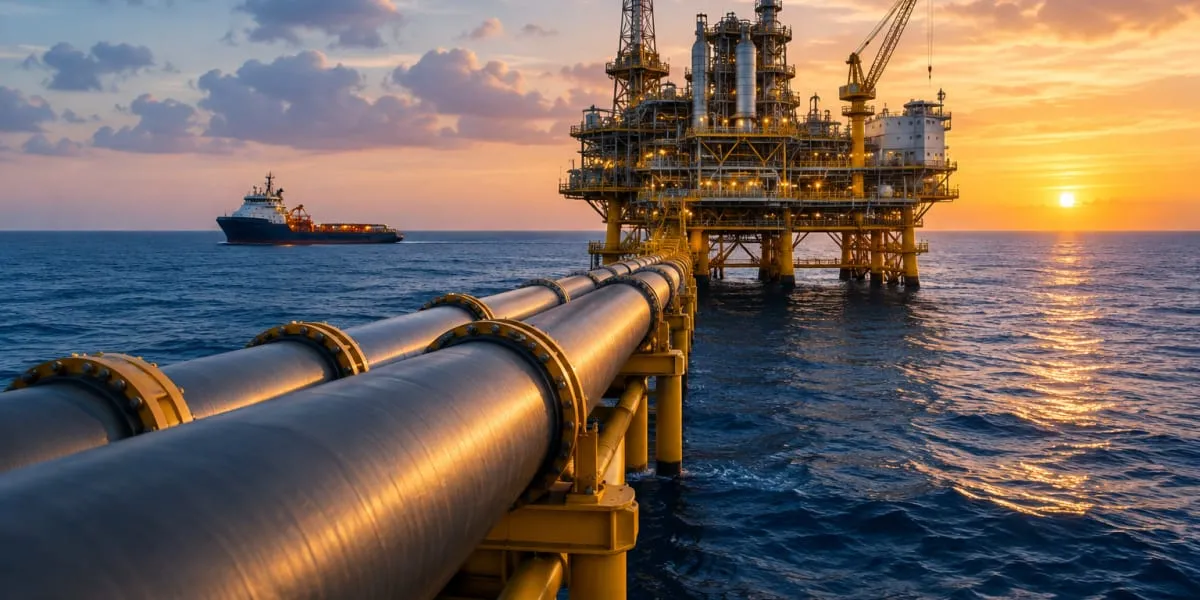
ONGC, BP and Reliance Industries are examining a shared offshore infrastructure facility costing around US$1 bn in the Mahanadi basin. The proposed facility would support the production and evacuation of natural gas and condensate from deepwater and ultra-deepwater discoveries off India’s east coast. Discussions reported on 9 November and attributed to two industry executives remain preliminary. The Ministry of Petroleum and Natural Gas is understood to have proposed the initiative, while technical consultants are expected to be appointed. The companies and ministry have not confirmed the investment.

The facility would allow operators to pool production instead of developing separate infrastructure for individual discoveries, potentially improving the economics of smaller fields. A decision has not been taken between a floating production, storage and offloading facility and a fixed offshore installation. Natural gas would be the principal product, alongside condensate. Development is estimated to require at least three to four years, rather than representing a confirmed commissioning schedule. Other producers could use the shared infrastructure for a fee.

The discussions follow ONGC’s discovery of gas in well MN-DW18-1-H-D in the Mahanadi Offshore Basin on 18 September 2026, about 43 km off Konark, Odisha. Drilled under the Samudra Manthan initiative, the well reached a depth of 1,623 metres and encountered gas between 1,441 and 1,452 metres. ONGC subsequently reported encouraging flows and sustained reservoir pressure. The company identified the discovery and nearby finds as possible candidates for shared development, subject to appraisal and commercial evaluation.

ONGC and Reliance Industries signed a separate resource-sharing agreement on 27 January 2026 covering deepwater exploration and production operations on India’s east coast, particularly the Krishna Godavari basin and Andaman offshore. The arrangement provides for potential sharing of processing facilities, drilling rigs, marine vessels, power infrastructure, pipelines, logging and well services. It is intended to reduce costs and duplication, but does not approve the proposed Mahanadi facility.

The three companies already have a joint operating agreement for exploration block GS-OSHP-2022/2 in the Saurashtra basin off India’s western coast. Signed on 28 July 2025, the agreement covers about 5,454 sq km, with ONGC as operator, and was awarded under the ninth Open Acreage Licensing Policy bidding round. The Saurashtra partnership concerns a different basin, while the Mahanadi proposal remains an option under examination rather than an awarded offshore construction project.

ONGC, BP and Reliance Industries are examining a shared offshore infrastructure facility costing around US$1 bn in the Mahanadi basin. The proposed facility would support the production and evacuation of natural gas and condensate from deepwater and ultra-deepwater discoveries off India’s east coast. Discussions reported on 9 November and attributed to two industry executives remain preliminary. The Ministry of Petroleum and Natural Gas is understood to have proposed the initiative, while technical consultants are expected to be appointed. The companies and ministry have not confirmed the investment. The facility would allow operators to pool production instead of developing separate infrastructure for individual discoveries, potentially improving the economics of smaller fields. A decision has not been taken between a floating production, storage and offloading facility and a fixed offshore installation. Natural gas would be the principal product, alongside condensate. Development is estimated to require at least three to four years, rather than representing a confirmed commissioning schedule. Other producers could use the shared infrastructure for a fee. The discussions follow ONGC’s discovery of gas in well MN-DW18-1-H-D in the Mahanadi Offshore Basin on 18 September 2026, about 43 km off Konark, Odisha. Drilled under the Samudra Manthan initiative, the well reached a depth of 1,623 metres and encountered gas between 1,441 and 1,452 metres. ONGC subsequently reported encouraging flows and sustained reservoir pressure. The company identified the discovery and nearby finds as possible candidates for shared development, subject to appraisal and commercial evaluation. ONGC and Reliance Industries signed a separate resource-sharing agreement on 27 January 2026 covering deepwater exploration and production operations on India’s east coast, particularly the Krishna Godavari basin and Andaman offshore. The arrangement provides for potential sharing of processing facilities, drilling rigs, marine vessels, power infrastructure, pipelines, logging and well services. It is intended to reduce costs and duplication, but does not approve the proposed Mahanadi facility. The three companies already have a joint operating agreement for exploration block GS-OSHP-2022/2 in the Saurashtra basin off India’s western coast. Signed on 28 July 2025, the agreement covers about 5,454 sq km, with ONGC as operator, and was awarded under the ninth Open Acreage Licensing Policy bidding round. The Saurashtra partnership concerns a different basin, while the Mahanadi proposal remains an option under examination rather than an awarded offshore construction project.

Related Stories

Gold Stories

Next Story
Infrastructure Transport

India to Develop Civil Aircraft Within Two Years, Build 100 Airports

India aims to develop its own civil aircraft within the next two years as it seeks to strengthen domestic aerospace capabilities and reduce dependence on foreign aircraft manufacturers, Civil Aviation Minister Ram Mohan Naidu said on November 12. He said the ambition extended beyond assembling aircraft to developing expertise in aircraft design and production. Speaking at the inaugural session of the Confederation of Indian Industry (CII) Partnership Summit 2026 in Visakhapatnam, Naidu said India wanted to establish itself as a major aerospace manufacturing hub. The government’s approach is ..

Next Story
Infrastructure Urban

Two Korean Firms to Invest Rs. 13.7 bn in Tamil Nadu

Two South Korean automotive component suppliers to Hyundai and Kia plan to invest a combined Rs. 13.7 bn in Tamil Nadu over the next five years, according to sources in the state industries department. The proposed investments come after a political dispute over the reported movement of some automotive investments to Andhra Pradesh. The state government has received letters of intent (LoIs) from Hwashin and Seoyon, while memorandums of understanding (MoUs) are expected to be signed shortly. Both companies communicated their investment plans in letters dated November 11, reaffirming their inten..

Next Story
Building Material

Cement Makers See Margin Relief as Oil Prices Lower Fuel Costs

Cement makers are set to see a significant improvement in profitability in the second half of FY27 as falling global oil prices reduce the cost of key fuels, including petcoke and coal. Higher cement prices are also expected to support earnings, according to a report by Systematix Group. The cement sector remained resilient in Q2 FY27, with volumes across the companies covered by the brokerage rising 7.2 per cent year-on-year. Higher sales volumes and improved realisations contributed to top-line growth during the quarter, although fuel and packaging expenses remained near-term concerns for ma..

Advertisement

Subscribe to Our Newsletter

Get daily newsletters around different themes from Construction world.

STAY CONNECTED

Advertisement

SPECIAL OFFER
QR Code