
India Seeks Private Investors for Odisha Petroleum Reserve
OIL & GAS

India Seeks Private Investors for Odisha Petroleum Reserve

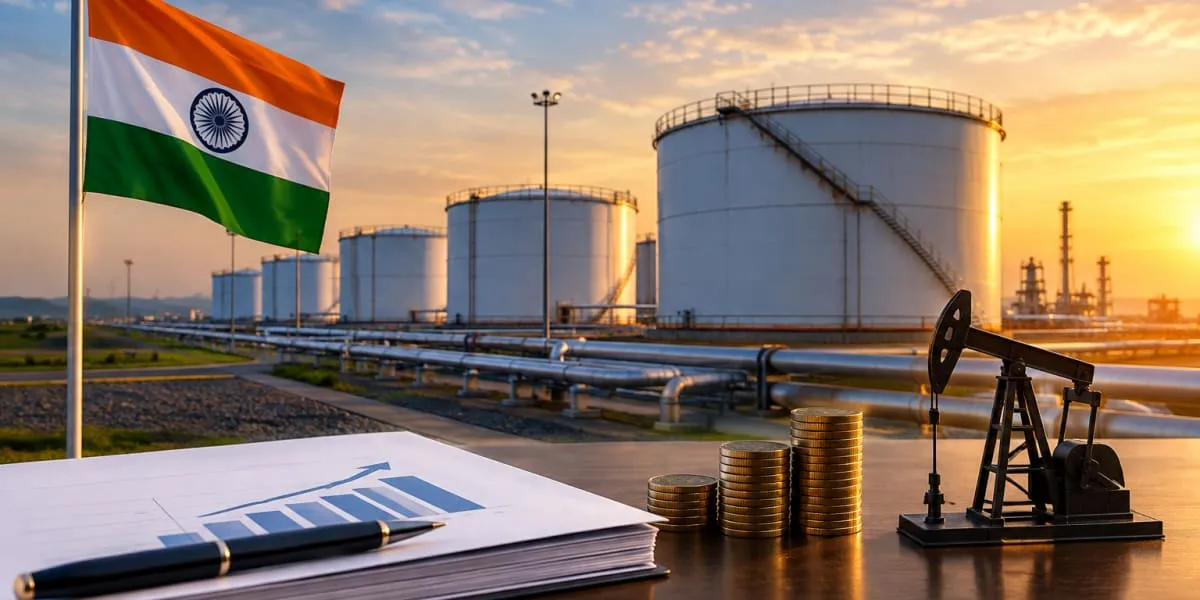
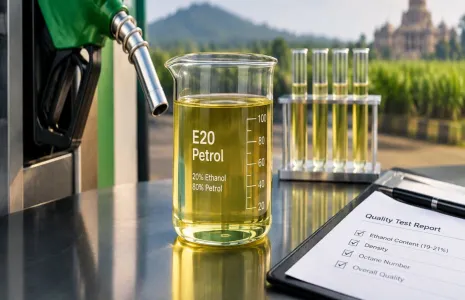
India is seeking private investors to develop a 4 mn t strategic petroleum reserve at Chandikhol in Odisha, in a project designed to expand the country’s crude oil storage infrastructure and strengthen energy security. The facility is planned to become India’s largest strategic petroleum storage project.

The proposed reserve involves an estimated investment of Rs. 85.71 bn. The government is offering financial support of up to Rs. 51.42 bn through a grant, with the contract to be awarded to the bidder seeking the lowest grant requirement.

Once developed, the Chandikhol facility is expected to increase India’s existing strategic petroleum storage capacity by approximately 80 per cent. The project will provide additional capacity for holding crude oil, helping improve the country’s ability to manage supply disruptions and maintain availability during periods of market or geopolitical stress.

In a parallel measure, the Centre plans to lease approximately 524,000 t of storage capacity at its operational strategic petroleum reserve in Visakhapatnam. The proposed lease would run for three years, with an option to extend the arrangement by a further four years.

The two initiatives form part of India’s wider effort to build additional crude oil storage capacity and improve resilience in its energy supply system. Strategic petroleum reserves allow crude oil to be stored for use during emergencies, including disruptions to imports or other interruptions affecting domestic fuel security. The Chandikhol project would add a substantial new facility to the existing national reserve network, while the Visakhapatnam lease would support more immediate use of available infrastructure.

India is seeking private investors to develop a 4 mn t strategic petroleum reserve at Chandikhol in Odisha, in a project designed to expand the country’s crude oil storage infrastructure and strengthen energy security. The facility is planned to become India’s largest strategic petroleum storage project. The proposed reserve involves an estimated investment of Rs. 85.71 bn. The government is offering financial support of up to Rs. 51.42 bn through a grant, with the contract to be awarded to the bidder seeking the lowest grant requirement. Once developed, the Chandikhol facility is expected to increase India’s existing strategic petroleum storage capacity by approximately 80 per cent. The project will provide additional capacity for holding crude oil, helping improve the country’s ability to manage supply disruptions and maintain availability during periods of market or geopolitical stress. In a parallel measure, the Centre plans to lease approximately 524,000 t of storage capacity at its operational strategic petroleum reserve in Visakhapatnam. The proposed lease would run for three years, with an option to extend the arrangement by a further four years. The two initiatives form part of India’s wider effort to build additional crude oil storage capacity and improve resilience in its energy supply system. Strategic petroleum reserves allow crude oil to be stored for use during emergencies, including disruptions to imports or other interruptions affecting domestic fuel security. The Chandikhol project would add a substantial new facility to the existing national reserve network, while the Visakhapatnam lease would support more immediate use of available infrastructure.

Related Stories

Gold Stories
Next Story
Infrastructure Transport

India to Develop Civil Aircraft Within Two Years, Build 100 Airports

India aims to develop its own civil aircraft within the next two years as it seeks to strengthen domestic aerospace capabilities and reduce dependence on foreign aircraft manufacturers, Civil Aviation Minister Ram Mohan Naidu said on November 12. He said the ambition extended beyond assembling aircraft to developing expertise in aircraft design and production. Speaking at the inaugural session of the Confederation of Indian Industry (CII) Partnership Summit 2026 in Visakhapatnam, Naidu said India wanted to establish itself as a major aerospace manufacturing hub. The government’s approach is ..
Next Story
Infrastructure Urban

Two Korean Firms to Invest Rs. 13.7 bn in Tamil Nadu

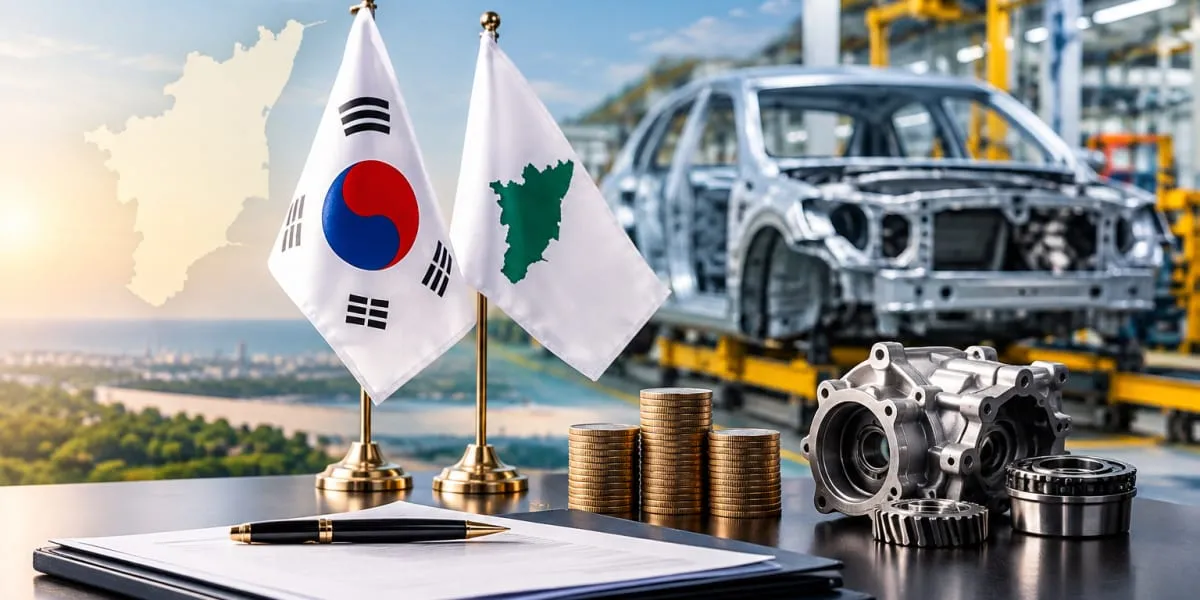
Two South Korean automotive component suppliers to Hyundai and Kia plan to invest a combined Rs. 13.7 bn in Tamil Nadu over the next five years, according to sources in the state industries department. The proposed investments come after a political dispute over the reported movement of some automotive investments to Andhra Pradesh. The state government has received letters of intent (LoIs) from Hwashin and Seoyon, while memorandums of understanding (MoUs) are expected to be signed shortly. Both companies communicated their investment plans in letters dated November 11, reaffirming their inten..

Next Story
Building Material

Cement Makers See Margin Relief as Oil Prices Lower Fuel Costs

Cement makers are set to see a significant improvement in profitability in the second half of FY27 as falling global oil prices reduce the cost of key fuels, including petcoke and coal. Higher cement prices are also expected to support earnings, according to a report by Systematix Group. The cement sector remained resilient in Q2 FY27, with volumes across the companies covered by the brokerage rising 7.2 per cent year-on-year. Higher sales volumes and improved realisations contributed to top-line growth during the quarter, although fuel and packaging expenses remained near-term concerns for ma..

Advertisement

Subscribe to Our Newsletter

Get daily newsletters around different themes from Construction world.

STAY CONNECTED

Advertisement

SPECIAL OFFER
QR Code