India May Raise Fuel Prices in November, Oxford Economics Says
OIL & GAS

India May Raise Fuel Prices in November, Oxford Economics Says

Oxford Economics said India may raise retail fuel prices moderately in November, creating a limited window for the move before campaigning intensifies for state elections scheduled early next year. The potential increase could be around half of the cumulative 7.5 per cent rise implemented in May, the only period when retail pump prices increased in response to the war in the Middle East.

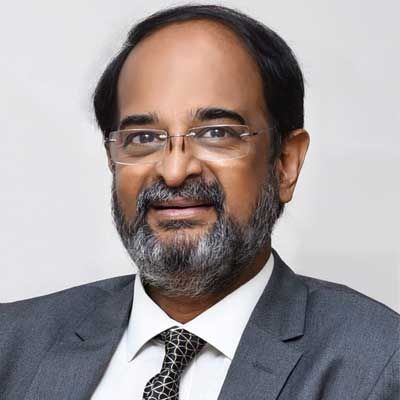
Alexandra Hermann Prasad, lead economist at Oxford Economics, said November was the last realistic opportunity for a fuel-price increase before campaigning gathered pace. Five of the seven states scheduled to hold elections next year, including Uttar Pradesh and Punjab, are due to vote between March and May. A price increase could push India’s retail inflation to 6.2 per cent in the October-December quarter and 6.5 per cent in the first three months of 2027, above the Reserve Bank of India’s target range of 2 to 6 per cent.

Oxford Economics’ projections are higher than the central bank’s latest estimates. The RBI projected inflation at 6 per cent in the October-December quarter, easing to 5.7 per cent in January-March, while Oxford Economics forecast full-year inflation of 5.4 per cent for the financial year ending March 2027, compared with the RBI’s 5.2 per cent estimate. If the authorities do not raise fuel prices in November, Oxford Economics expects its inflation projections to fall by 10 to 30 basis points in coming quarters.

The economist said inflation would remain elevated even without a fuel-price increase and assessed that the RBI may need to raise interest rates by 25 basis points at each of its December and February policy meetings, following the quarter-point increase in October. Retail inflation rose to 5.54 per cent in September from 4.83 per cent in August, reaching its highest level since late 2024.

Hermann Prasad said recent RBI measures in the currency market should contain rupee volatility, although expensive oil imports and persistent external financing pressures could limit lasting stability. She also assessed that protests over allegations of electoral malpractice were unlikely to materially affect economic growth, as disruption had largely remained concentrated in Delhi and was not extensive enough to affect the wider economy.

Oxford Economics said India may raise retail fuel prices moderately in November, creating a limited window for the move before campaigning intensifies for state elections scheduled early next year. The potential increase could be around half of the cumulative 7.5 per cent rise implemented in May, the only period when retail pump prices increased in response to the war in the Middle East. Alexandra Hermann Prasad, lead economist at Oxford Economics, said November was the last realistic opportunity for a fuel-price increase before campaigning gathered pace. Five of the seven states scheduled to hold elections next year, including Uttar Pradesh and Punjab, are due to vote between March and May. A price increase could push India’s retail inflation to 6.2 per cent in the October-December quarter and 6.5 per cent in the first three months of 2027, above the Reserve Bank of India’s target range of 2 to 6 per cent. Oxford Economics’ projections are higher than the central bank’s latest estimates. The RBI projected inflation at 6 per cent in the October-December quarter, easing to 5.7 per cent in January-March, while Oxford Economics forecast full-year inflation of 5.4 per cent for the financial year ending March 2027, compared with the RBI’s 5.2 per cent estimate. If the authorities do not raise fuel prices in November, Oxford Economics expects its inflation projections to fall by 10 to 30 basis points in coming quarters. The economist said inflation would remain elevated even without a fuel-price increase and assessed that the RBI may need to raise interest rates by 25 basis points at each of its December and February policy meetings, following the quarter-point increase in October. Retail inflation rose to 5.54 per cent in September from 4.83 per cent in August, reaching its highest level since late 2024. Hermann Prasad said recent RBI measures in the currency market should contain rupee volatility, although expensive oil imports and persistent external financing pressures could limit lasting stability. She also assessed that protests over allegations of electoral malpractice were unlikely to materially affect economic growth, as disruption had largely remained concentrated in Delhi and was not extensive enough to affect the wider economy.

Related Stories

Gold Stories

Next Story
Equipment

TIL Revenue Surges 143% to Rs 1.98 Billion in Q2 FY27

TIL Limited, a manufacturer of material handling and infrastructure equipment, has reported a 143 per cent year-on-year increase in consolidated revenue to Rs 1.98 billion for the second quarter of FY27, compared with Rs 814.5 million in the corresponding period last year. Consolidated EBITDA surged 433 per cent to Rs 173.7 million, while EBITDA margin improved to 8.8 per cent from 4 per cent.The performance was supported by equipment deliveries, defence contracts, aftermarket services and the contribution of Tulip Compression Private Limited (TCPL), which became a majority-owned subsidiary in..

Next Story
Infrastructure Transport

India to Develop Civil Aircraft Within Two Years, Build 100 Airports

India aims to develop its own civil aircraft within the next two years as it seeks to strengthen domestic aerospace capabilities and reduce dependence on foreign aircraft manufacturers, Civil Aviation Minister Ram Mohan Naidu said on November 12. He said the ambition extended beyond assembling aircraft to developing expertise in aircraft design and production. Speaking at the inaugural session of the Confederation of Indian Industry (CII) Partnership Summit 2026 in Visakhapatnam, Naidu said India wanted to establish itself as a major aerospace manufacturing hub. The government’s approach is ..

Next Story
Infrastructure Urban

Two Korean Firms to Invest Rs. 13.7 bn in Tamil Nadu

Two South Korean automotive component suppliers to Hyundai and Kia plan to invest a combined Rs. 13.7 bn in Tamil Nadu over the next five years, according to sources in the state industries department. The proposed investments come after a political dispute over the reported movement of some automotive investments to Andhra Pradesh. The state government has received letters of intent (LoIs) from Hwashin and Seoyon, while memorandums of understanding (MoUs) are expected to be signed shortly. Both companies communicated their investment plans in letters dated November 11, reaffirming their inten..

Advertisement

Subscribe to Our Newsletter

Get daily newsletters around different themes from Construction world.

STAY CONNECTED

Advertisement

SPECIAL OFFER
QR Code