


Morbi Ceramic Units Restart on Expensive Piped Natural Gas
OIL & GAS

Morbi Ceramic Units Restart on Expensive Piped Natural Gas

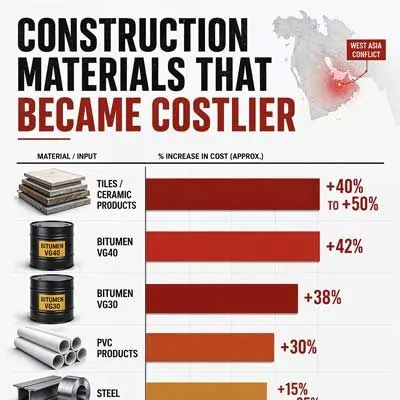
The ceramic cluster in Morbi has resumed manufacturing after a period of disruption, with producers citing a sharp rise in the cost of piped natural gas (PNG) as a key factor in recent decisions. Companies halted or scaled back operations earlier when fuel economics eroded margins, and the restart follows arrangements to secure PNG at elevated rates. Producers have adjusted selling prices sharply, with an across the board increase of 40 per cent aimed at restoring viability.

Manufacturers reported that the price revision was necessary to offset higher input costs associated with firing, drying and other heat intensive processes that rely on PNG. Firms recalibrated price lists and communicated the changes to distributors and trade partners, emphasising that the adjustment reflected changes in underlying energy costs rather than product revaluation. The move has been framed as a cost recovery measure to stabilise cash flows and ensure plants can operate without further interruptions.

The increase has altered marketplace dynamics, with buyers and wholesalers revising procurement plans to accommodate higher selling prices. Trade participants have indicated that negotiations are under way over delivery schedules and payment terms as the market absorbs the shock. Analysts of the sector view the development as a test of demand elasticity for ceramic products produced in the region and of the ability of firms to pass through energy cost increases.

Longer term, industry observers expect companies to explore efficiency measures and alternative fuel mixes to reduce exposure to volatile PNG prices while maintaining production continuity. Firms are also assessing inventory and order books to balance supply and demand constraints created by the sudden price adjustment. The restart under higher energy costs underscores the sensitivity of commodity intensive manufacturing to fuel pricing and the trade offs firms must manage between output and profitability.

"Join industry leaders at RAHSTA Expo, India's premier platform for roads, highways and traffic infrastructure. Register now to explore innovations, network with experts and shape the future of mobility."

The ceramic cluster in Morbi has resumed manufacturing after a period of disruption, with producers citing a sharp rise in the cost of piped natural gas (PNG) as a key factor in recent decisions. Companies halted or scaled back operations earlier when fuel economics eroded margins, and the restart follows arrangements to secure PNG at elevated rates. Producers have adjusted selling prices sharply, with an across the board increase of 40 per cent aimed at restoring viability. Manufacturers reported that the price revision was necessary to offset higher input costs associated with firing, drying and other heat intensive processes that rely on PNG. Firms recalibrated price lists and communicated the changes to distributors and trade partners, emphasising that the adjustment reflected changes in underlying energy costs rather than product revaluation. The move has been framed as a cost recovery measure to stabilise cash flows and ensure plants can operate without further interruptions. The increase has altered marketplace dynamics, with buyers and wholesalers revising procurement plans to accommodate higher selling prices. Trade participants have indicated that negotiations are under way over delivery schedules and payment terms as the market absorbs the shock. Analysts of the sector view the development as a test of demand elasticity for ceramic products produced in the region and of the ability of firms to pass through energy cost increases. Longer term, industry observers expect companies to explore efficiency measures and alternative fuel mixes to reduce exposure to volatile PNG prices while maintaining production continuity. Firms are also assessing inventory and order books to balance supply and demand constraints created by the sudden price adjustment. The restart under higher energy costs underscores the sensitivity of commodity intensive manufacturing to fuel pricing and the trade offs firms must manage between output and profitability.

Next Story
Infrastructure Urban

ABS Marine Sees CRISIL Credit Rating Upgrade

ABS Marine Services has secured an upgrade to its long term and short term credit ratings from CRISIL, reflecting improved profitability and revenue growth through long term contracts. CRISIL moved the long term rating from BBB+/Stable to A-/Stable and revised the short term rating from A2 to A2+. The action signals strengthened financial metrics and operational resilience. The company benefited from durable client relationships with firms such as ONGC and Schlumberger. The rating decision followed stronger cash flows and an enlarged bank loan facility, which increased from Rs 3,705 million (m..

Next Story
Infrastructure Transport

Project BRAHMANK Marks 16 Years Of Strategic Roads In Arunachal

Project BRAHMANK is marking 16 years of work to establish strategic road and bridge links across Arunachal Pradesh, maintaining and developing 811 kilometres of roads and nearly 86 bridges that range from small culverts to large steel and arch bridges. These transport links are described as critical for ensuring year-round movement of defence personnel, equipment and essential supplies while improving everyday travel for people in remote villages. The project balances national security requirements with regional development by focusing on reliable access in challenging terrain. Notable enginee..

Next Story
Infrastructure Transport

Longleng CSOs Give One Week Ultimatum Over Two-Lane Highway

Civil society organisations (CSOs) in Longleng district have demanded immediate restoration of the deteriorating Changtongya–Longleng two-lane road and sought a detailed status report on the stalled construction within one week. The demand followed a consultative meeting convened under the Phom Peoples' Council (PPC) to discuss welfare and development concerns. PPC president YB Angam Phom said prolonged non-maintenance had caused hardship to commuters and affected transportation, local commerce and the district's development. The meeting urged authorities to undertake immediate restoration a..

Advertisement

Subscribe to Our Newsletter

Get daily newsletters around different themes from Construction world.

STAY CONNECTED

Advertisement

Advertisement

Advertisement