PNGRB Rolls out unified natural gas tariff from January 2026
OIL & GAS

PNGRB Rolls out unified natural gas tariff from January 2026

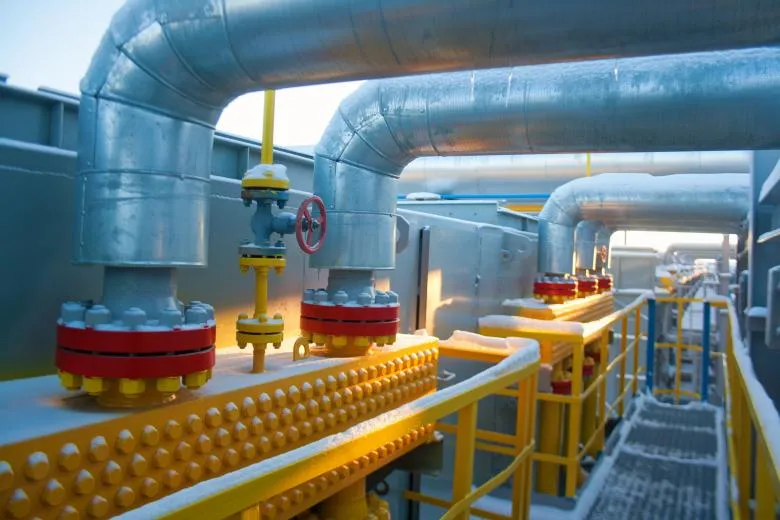
The Petroleum and Natural Gas Regulatory Board (PNGRB) has notified a new unified tariff structure for natural gas transportation, marking a major consumer-focused reform aimed at boosting the adoption of cleaner fuels across India. The revised framework will come into effect from January 1, 2026, and is expected to significantly lower transportation costs for Compressed Natural Gas (CNG) and Piped Natural Gas (PNG) consumers.

Under the new regime, PNGRB has rationalised the existing tariff structure by reducing the number of tariff zones from three to two—up to 300 km and beyond 300 km. In a key move to promote cleaner fuel usage, the regulator has also mandated that CNG and Domestic PNG consumers across the country will be charged the tariff applicable for distances up to 300 km, irrespective of the actual distance from the gas source.

“This reform advances the objective of ‘One Nation, One Grid, One Tariff’, reduces regional disparities in transportation costs, and aligns natural gas pricing with the transportation cost policy of competitive fuels such as LPG and Motor Spirit. PNGRB has notified transportation tariffs of Rs 54.00/MMBTU (up to 300 km) and Rs 102.86/MMBTU (beyond 300 km) effective 1 January 2026,” Petroleum and Natural Gas Regulatory Board, regulator, said in a statement.

As a result, CNG and Domestic PNG consumers located beyond 300 km will see nearly a 50% reduction in transportation charges, as they will be billed at the Zone-1 tariff of Rs 54.00/MMBTU. The revised tariff structure is expected to reduce transportation costs for the City Gas Distribution (CGD) sector by approximately Rs 1,000 crore annually.

This cost rationalisation is likely to translate into lower delivered prices, with CNG becoming cheaper by Rs 1.25–2.50 per kg and Domestic PNG by Rs 0.90–1.80 per SCM. The move aligns with the Government of India’s broader vision to increase the share of natural gas in the national energy mix, enhance energy security, and accelerate the transition towards cleaner and more sustainable fuels.
News source: The Tribune

The Petroleum and Natural Gas Regulatory Board (PNGRB) has notified a new unified tariff structure for natural gas transportation, marking a major consumer-focused reform aimed at boosting the adoption of cleaner fuels across India. The revised framework will come into effect from January 1, 2026, and is expected to significantly lower transportation costs for Compressed Natural Gas (CNG) and Piped Natural Gas (PNG) consumers.Under the new regime, PNGRB has rationalised the existing tariff structure by reducing the number of tariff zones from three to two—up to 300 km and beyond 300 km. In a key move to promote cleaner fuel usage, the regulator has also mandated that CNG and Domestic PNG consumers across the country will be charged the tariff applicable for distances up to 300 km, irrespective of the actual distance from the gas source.“This reform advances the objective of ‘One Nation, One Grid, One Tariff’, reduces regional disparities in transportation costs, and aligns natural gas pricing with the transportation cost policy of competitive fuels such as LPG and Motor Spirit. PNGRB has notified transportation tariffs of Rs 54.00/MMBTU (up to 300 km) and Rs 102.86/MMBTU (beyond 300 km) effective 1 January 2026,” Petroleum and Natural Gas Regulatory Board, regulator, said in a statement.As a result, CNG and Domestic PNG consumers located beyond 300 km will see nearly a 50% reduction in transportation charges, as they will be billed at the Zone-1 tariff of Rs 54.00/MMBTU. The revised tariff structure is expected to reduce transportation costs for the City Gas Distribution (CGD) sector by approximately Rs 1,000 crore annually.This cost rationalisation is likely to translate into lower delivered prices, with CNG becoming cheaper by Rs 1.25–2.50 per kg and Domestic PNG by Rs 0.90–1.80 per SCM. The move aligns with the Government of India’s broader vision to increase the share of natural gas in the national energy mix, enhance energy security, and accelerate the transition towards cleaner and more sustainable fuels.News source: The Tribune

Next Story
Infrastructure Transport

RVNL secures Rs 1.65 billion railway bridge project from North Eastern Railway

Rail Vikas Nigam (RVNL) has received a Letter of Award (LoA) from North Eastern Railway for a Rs 1.65 billion railway infrastructure project, strengthening its order book and showcasing its expertise in complex railway construction.The project involves constructing the substructure of a major railway bridge over the Gandak River, located between Paniyahwa and Valmikinagar stations. This is part of the doubling of the Gorakhpur Cantt–Valmikinagar railway section, aimed at improving line capacity and operational efficiency.The bridge will feature 14 spans of 61 metres each, built on double D-t..

Next Story
Infrastructure Transport

Raebareli’s Modern Coach Factory rolls out 15,000th railway coach

The Modern Coach Factory (MCF) at Raebareli in Uttar Pradesh has achieved a major manufacturing milestone with the rollout of its 15,000th railway coach on December 15, the Ministry of Railways said.In a press note, the ministry said that MCF has already produced 1,310 coaches in the current financial year 2025–26, reflecting sustained high output at one of Indian Railways’ most advanced passenger coach manufacturing units.Established in 2007 at Lalganj in Raebareli district, MCF was built at a cost of Rs 31.92 billion with an initial annual production capacity of 1,000 coaches. The factor..

Next Story
Infrastructure Transport

RailTel wins Rs 260.88 million IT infrastructure order from VOC Port

Navratna public sector undertaking RailTel Corporation of India has secured an IT infrastructure order worth Rs 260.88 million from V.O. Chidambaranar Port Authority (VOC Port), strengthening its presence in port-led digital transformation projects.According to an exchange filing dated December 16, 2025, RailTel has received a Letter of Acceptance (LoA) from VOC Port Authority for the implementation of advanced IT infrastructure at the port. The project is domestic in nature and is scheduled to be completed by August 15, 2026.The company said the order has been awarded in the normal course of ..

Advertisement

Subscribe to Our Newsletter

Get daily newsletters around different themes from Construction world.

STAY CONNECTED

Advertisement

Advertisement

Advertisement

Advertisement

Open In App