+
Ageing Renewable Projects Set to Drive Repowering Wave
POWER & RENEWABLE ENERGY

Ageing Renewable Projects Set to Drive Repowering Wave

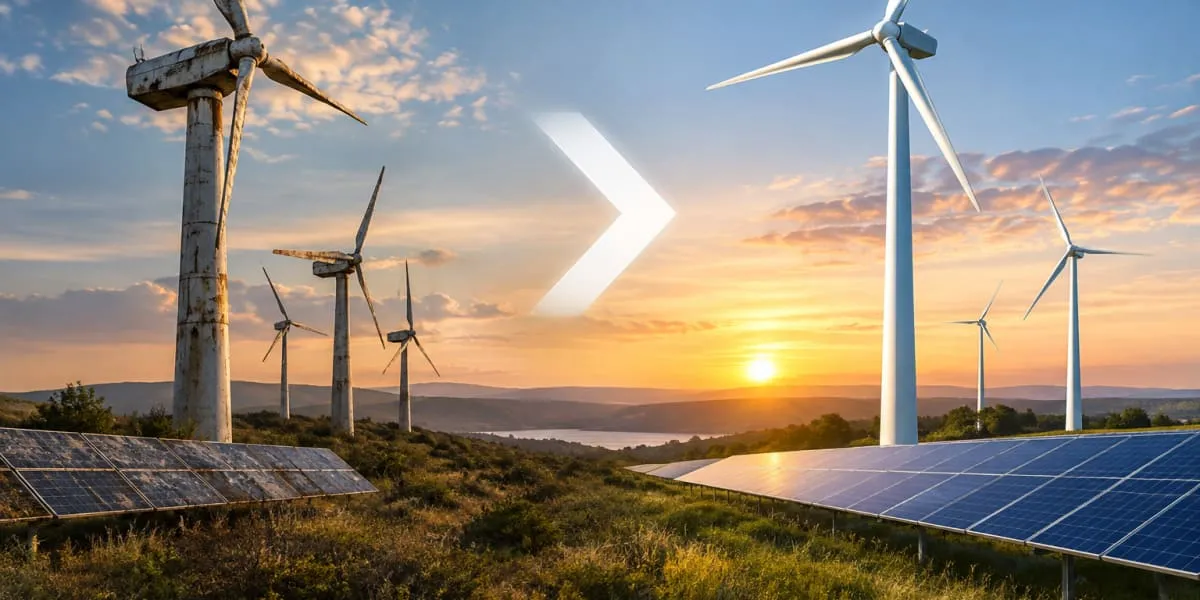
More than 2.5 TW of ageing wind and solar projects globally could require decommissioning or repowering by the 2040s, potentially creating a new cycle of renewable energy installations, according to Wood Mackenzie. The global operational wind and solar fleet has already exceeded 3.5 TW, while early-generation projects are approaching the end of their design lives.

Asset owners will increasingly have to choose between decommissioning projects, extending their operating lifetimes or replacing existing equipment. More than 30 GW of wind capacity is expected to have been decommissioned globally by the end of 2026, with about two-thirds of the capacity taken offline between 2022 and 2026.

Solar deployment began later than wind, but ageing solar capacity is expected to overtake wind in decommissioning volumes before 2040. Repowering existing renewable sites could provide advantages over developing greenfield projects because operational locations generally have grid connections, planning approvals and established community acceptance.

Existing site conditions could also improve the economics of replacement projects. In Germany, average wind speeds at sites decommissioned so far this decade are 4 per cent higher than those at new greenfield projects, with the difference reaching 30 per cent in some cases. A 4 per cent increase in wind speed can translate into an approximately 7 per cent increase in capacity factors and a 7 per cent reduction in the levelised cost of energy, assuming other factors remain unchanged.

Developers are acquiring operational projects in suitable locations, removing old equipment and installing new capacity at the same sites. The approach is particularly relevant in Europe and the US, where land availability, grid capacity and planning approvals can restrict new development. The European Commission has targeted 500 GW of wind capacity by 2030, requiring about 37 GW of annual additions between 2023 and 2030. Wood Mackenzie expects about 17 GW of wind capacity to be decommissioned in Europe during that period, creating a need for roughly 2 GW of additional annual installations merely to replace retiring capacity. Limited repowering incentives in several markets could, however, encourage owners to extend existing project lifetimes instead.

More than 2.5 TW of ageing wind and solar projects globally could require decommissioning or repowering by the 2040s, potentially creating a new cycle of renewable energy installations, according to Wood Mackenzie. The global operational wind and solar fleet has already exceeded 3.5 TW, while early-generation projects are approaching the end of their design lives. Asset owners will increasingly have to choose between decommissioning projects, extending their operating lifetimes or replacing existing equipment. More than 30 GW of wind capacity is expected to have been decommissioned globally by the end of 2026, with about two-thirds of the capacity taken offline between 2022 and 2026. Solar deployment began later than wind, but ageing solar capacity is expected to overtake wind in decommissioning volumes before 2040. Repowering existing renewable sites could provide advantages over developing greenfield projects because operational locations generally have grid connections, planning approvals and established community acceptance. Existing site conditions could also improve the economics of replacement projects. In Germany, average wind speeds at sites decommissioned so far this decade are 4 per cent higher than those at new greenfield projects, with the difference reaching 30 per cent in some cases. A 4 per cent increase in wind speed can translate into an approximately 7 per cent increase in capacity factors and a 7 per cent reduction in the levelised cost of energy, assuming other factors remain unchanged. Developers are acquiring operational projects in suitable locations, removing old equipment and installing new capacity at the same sites. The approach is particularly relevant in Europe and the US, where land availability, grid capacity and planning approvals can restrict new development. The European Commission has targeted 500 GW of wind capacity by 2030, requiring about 37 GW of annual additions between 2023 and 2030. Wood Mackenzie expects about 17 GW of wind capacity to be decommissioned in Europe during that period, creating a need for roughly 2 GW of additional annual installations merely to replace retiring capacity. Limited repowering incentives in several markets could, however, encourage owners to extend existing project lifetimes instead.

Related Stories

Gold Stories

Next Story
Real Estate

Ajyal Holding Acquires 25% Stake in Sterling Ark

Sterling Ark, an independent integrated real estate advisory and project delivery firm, has announced a strategic alliance with Abu Dhabi-headquartered Ajyal Holding. Under the agreement, Ajyal Holding has acquired a 25 per cent stake in Sterling Ark.The alliance is expected to provide Sterling Ark with a broader platform to pursue opportunities and expand its presence across the region. Ajyal Holding operates across real estate, contracting, fit-out, building materials and technology, among other sectors.Sterling Ark provides end-to-end advisory and project delivery capabilities across real e..

Next Story
Infrastructure Urban

YEIDA Allots Land for Five Projects Worth Rs 4.69 bn

A significant step towards converting industrial investment proposals into on-ground projects was taken at the inauguration of the Uttar Pradesh International Trade Show (UPITS) 2026. Union Home and Cooperation Minister Amit Shah presented Letters of Allotment to representatives of five companies investing in the Yamuna Expressway Industrial Development Authority (YEIDA) region.The five projects have been allotted a total of 71,190 sq m of land and involve a proposed investment of Rs 4.69 bn, with the potential to generate 4,625 employment opportunities.C&R Textiles Private Limited has bee..

Next Story
Infrastructure Energy

Hindustan Zinc Restores 1,105 Hectares of Land

Hindustan Zinc Limited has restored 1,105 hectares of land as part of its efforts to integrate ecological restoration with responsible mining. The rehabilitated area, equivalent to more than 1,500 football fields, covers mining and operational landscapes restored through reclamation, plantation, biodiversity enhancement and sustainable land-use practices.The initiatives form part of Hindustan Zinc’s Sustainability Goals 2030 and its broader focus on creating long-term ecological value alongside business growth.Amarendu Prakash, CEO, Hindustan Zinc, said: “The future of mining will increasi..

Advertisement

Subscribe to Our Newsletter

Get daily newsletters around different themes from Construction world.

STAY CONNECTED

Advertisement

SPECIAL OFFER
QR Code