Bharat Small Reactor Plan Takes Focus at Energy Summit
POWER & RENEWABLE ENERGY

Bharat Small Reactor Plan Takes Focus at Energy Summit

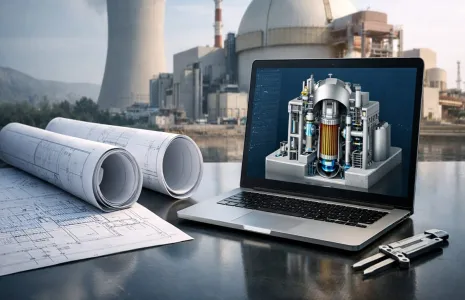
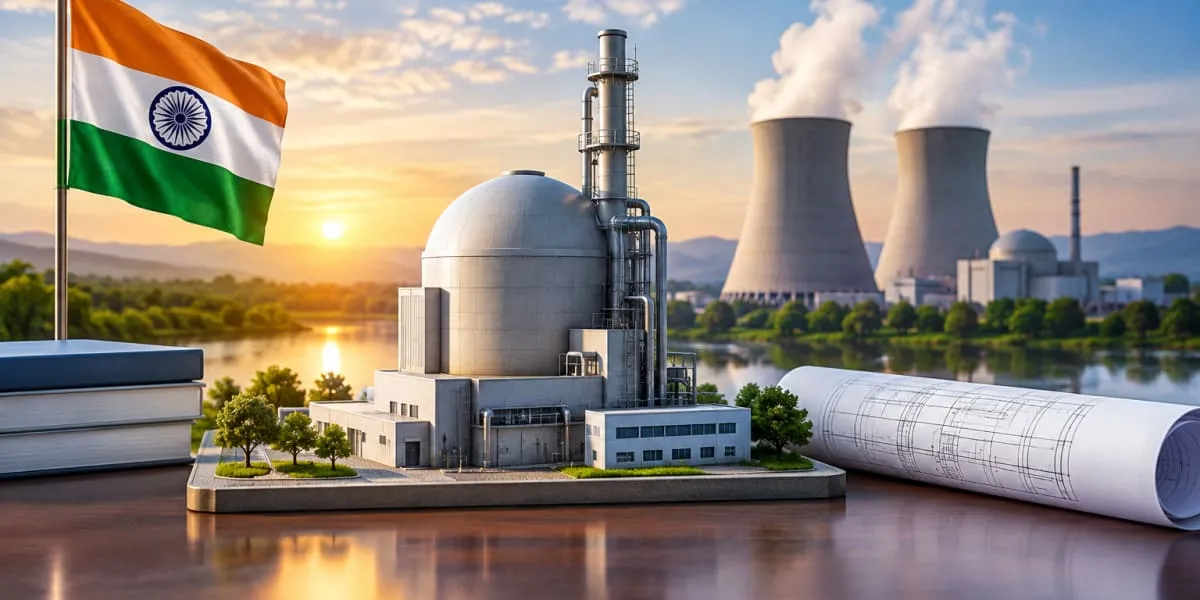
India’s plan to expand nuclear power generation through the Bharat Small Reactor programme came into focus at the 20th India Energy Summit in New Delhi, where industry experts called for stronger domestic supply chains, private-sector participation and faster project execution. The panel discussion was organised by the Indian Chamber of Commerce on the second day of the summit.

India aims to raise nuclear power capacity from about 8.8 GW to 100 GW by 2047. The programme is intended to use India’s established 220 MW pressurised heavy water reactor technology to provide captive, round-the-clock, low-carbon electricity for energy-intensive industries.

Kishor U Aggarwal, who spent 36 years at the Nuclear Power Corporation of India before joining Vedanta Power, said the 220 MW reactor design offered a strong engineering base. He said standardisation and decades of operating experience had addressed several technical challenges, while the next priority was to expand domestic manufacturing and develop a skilled workforce.

Aggarwal said private partners could build reactors jointly with the Nuclear Power Corporation of India, with the state-owned company operating the plants. Two specialised components are still imported from Europe and Japan, although Indian industry is expected to begin supplying them within one or two years. The corporation is also establishing an engineering division for private-sector projects and has partnered with Engineers India for design inputs.

Experts said technology and manufacturing would need to be matched by careful site selection, regulatory compliance and community support. Prasenjit Pal, Senior Advisor – Nuclear at Bajaj Energy and former executive director at NTPC Parmanu Urja Nigam, said assessments must cover geology, water availability, seismic risks and prescribed distances from sensitive establishments. He cited the Mahi Banswara project in Rajasthan, where investment of about Rs. 480 bn is planned, and said local communities should receive benefits including schools, roads, medical services and solar streetlights.

Nuclear projects can take 10 to 12 years to build, while a 220 MW reactor may require 60 to 72 months after final approvals. The government aims to have at least five indigenous small modular reactors operating by 2033 as it works towards the longer-term capacity target.

India’s plan to expand nuclear power generation through the Bharat Small Reactor programme came into focus at the 20th India Energy Summit in New Delhi, where industry experts called for stronger domestic supply chains, private-sector participation and faster project execution. The panel discussion was organised by the Indian Chamber of Commerce on the second day of the summit. India aims to raise nuclear power capacity from about 8.8 GW to 100 GW by 2047. The programme is intended to use India’s established 220 MW pressurised heavy water reactor technology to provide captive, round-the-clock, low-carbon electricity for energy-intensive industries. Kishor U Aggarwal, who spent 36 years at the Nuclear Power Corporation of India before joining Vedanta Power, said the 220 MW reactor design offered a strong engineering base. He said standardisation and decades of operating experience had addressed several technical challenges, while the next priority was to expand domestic manufacturing and develop a skilled workforce. Aggarwal said private partners could build reactors jointly with the Nuclear Power Corporation of India, with the state-owned company operating the plants. Two specialised components are still imported from Europe and Japan, although Indian industry is expected to begin supplying them within one or two years. The corporation is also establishing an engineering division for private-sector projects and has partnered with Engineers India for design inputs. Experts said technology and manufacturing would need to be matched by careful site selection, regulatory compliance and community support. Prasenjit Pal, Senior Advisor – Nuclear at Bajaj Energy and former executive director at NTPC Parmanu Urja Nigam, said assessments must cover geology, water availability, seismic risks and prescribed distances from sensitive establishments. He cited the Mahi Banswara project in Rajasthan, where investment of about Rs. 480 bn is planned, and said local communities should receive benefits including schools, roads, medical services and solar streetlights. Nuclear projects can take 10 to 12 years to build, while a 220 MW reactor may require 60 to 72 months after final approvals. The government aims to have at least five indigenous small modular reactors operating by 2033 as it works towards the longer-term capacity target.

Related Stories

Gold Stories

Next Story
Resources

Hettich India And ECO Schulte Form Joint Venture In India

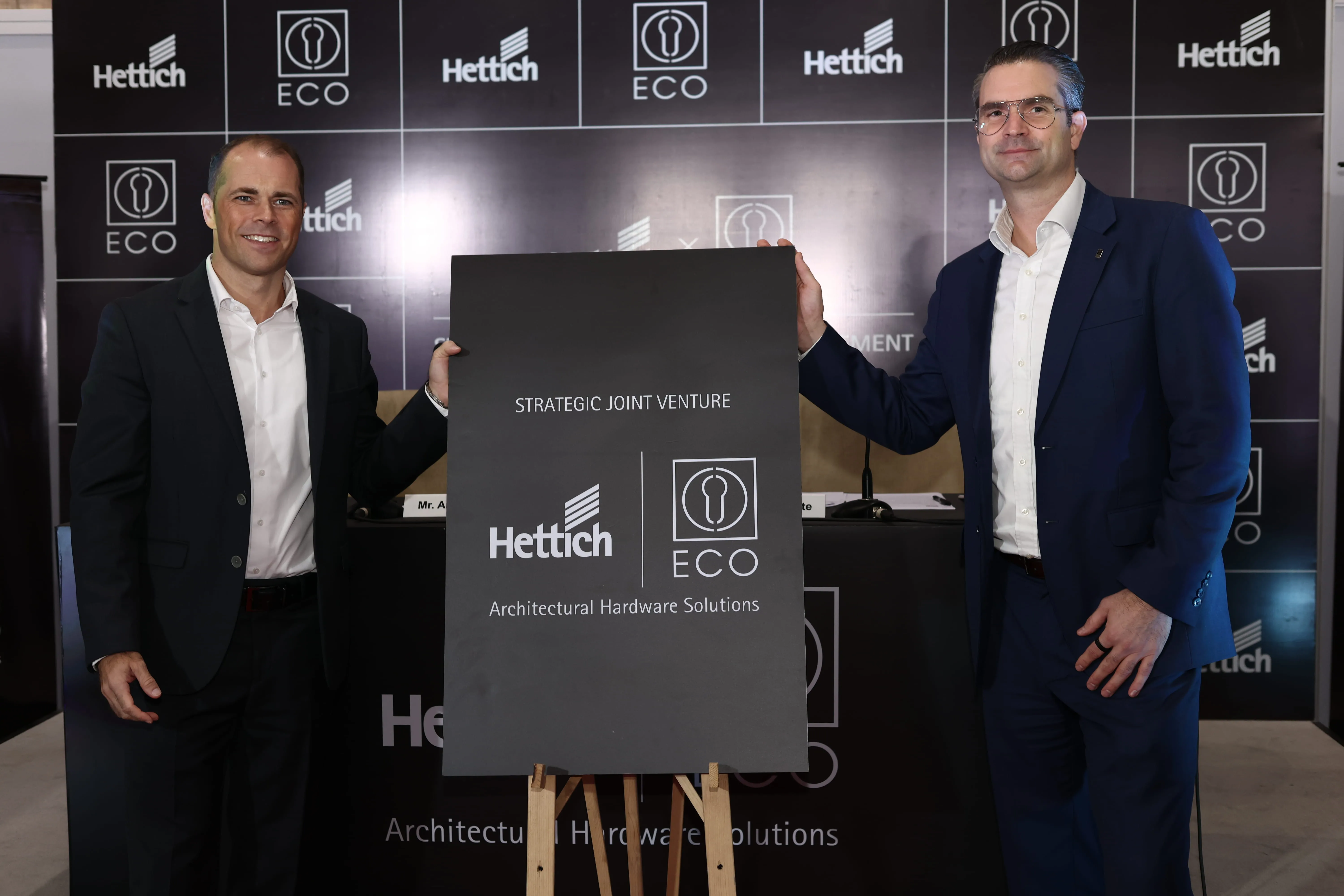
Hettich India and German company ECO Schulte have announced a strategic joint venture to strengthen their presence in India's architectural hardware market. The partnership was announced at ACETECH Mumbai on November 20, 2026, bringing together the two family-owned businesses with a combined engineering heritage of 238 years.The venture combines Hettich's expertise in furniture fittings and interior solutions with ECO Schulte's experience in architectural door hardware and engineered door systems. Its focus will span residential, commercial, institutional and infrastructure projects.Hettich, w..

Next Story
Real Estate

Address Maker sells over 200 Apollo Address plots in six weeks

The Address Maker Group has sold more than two-thirds of the inventory at its Apollo Address villa-plot development in Nelamangala, North-West Bengaluru, within six weeks of its launch. With over 200 plots purchased and approximately 100 remaining, the project has recorded the fastest sales pace in the developer's history.Spread across 23 acres within a larger 90-acre township, Apollo Address offers villa plots ranging from 1,200 to 2,400 sq ft. Inspired by classical Greek architecture, the development features planned infrastructure, landscaped open spaces and residential amenities.Nearly 30 ..

Next Story
Equipment

Zoomlion strengthens equipment partnerships in Australia

Zoomlion Heavy Industry Science & Technology has reaffirmed its commitment to expanding operations in Australia, with Chairman and CEO Zhan Chunxin meeting customers and business partners in Sydney to strengthen long-term partnerships and discuss opportunities for closer collaboration.The meeting, held on 4 November 2026, focused on equipment quality, technical support, spare parts availability, local training and customer service improvements. Representatives from the tower crane, concrete machinery, earthmoving, aerial work platform, agricultural machinery and financial sectors participa..

Advertisement

Subscribe to Our Newsletter

Get daily newsletters around different themes from Construction world.

STAY CONNECTED

Advertisement

SPECIAL OFFER
QR Code