NPCIL Seeks Bids For Engineering And 3D Design Of Bharat Small Reactors
ECONOMY & POLICY

NPCIL Seeks Bids For Engineering And 3D Design Of Bharat Small Reactors

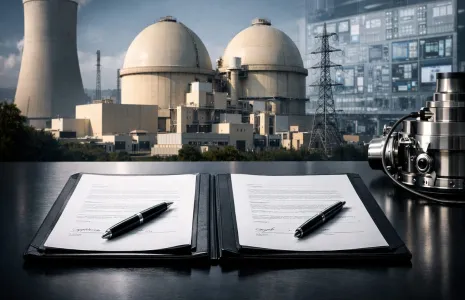
The Nuclear Power Corporation of India (NPCIL) has floated a tender for plant engineering and three-dimensional (3D) modelling of its 220 megawatt (MW) Bharat Small Reactors (BSRs). The reactors are based on proven 220 megawatt (MW) pressurised heavy water reactor (PHWR) technology and bids are to be submitted by August 10. The move marks a further step in India's plan to expand nuclear power capacity.

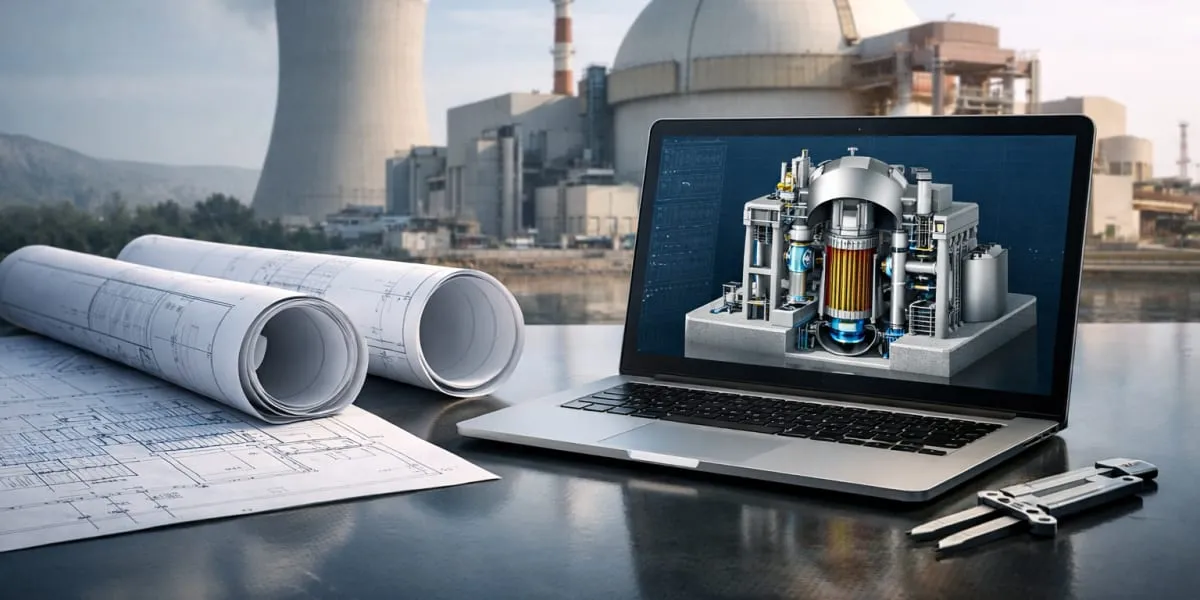
The scope calls for generic design and engineering for civil, process, mechanical, piping, electrical and control and instrumentation systems, together with ventilation and air conditioning, piping stress analysis and 3D computer modelling. The programme seeks suppliers able to deliver integrated engineering packages and to support detailed design validation and documentation for construction and commissioning. Emphasis is placed on quality assurance and adherence to regulatory standards.

The engineering tender accompanies the implementation of the SHANTI Act, which opened nuclear power generation to private sector participation while specifying limits on supplier liability, and supports the government's target of achieving 100 gigawatt (GW) of installed nuclear capacity by 2047. NPCIL has invited proposals for deploying BSRs for captive industrial use, and so far Hindalco Industries is the only company to have submitted a proposal under the framework. The development is positioned to enable companies to secure stable on-site clean power for energy intensive operations.

Under the proposed captive model the user industry will bear capital and operating expenditure while NPCIL will retain responsibility for reactor design, quality assurance, operation and maintenance. Participating companies will provide land, cooling water and capital investment and will retain electricity generated after meeting internal consumption needs. NPCIL said the twin-unit plant layout has been designed to optimise land use and that site selection will consider geology, seismic conditions, water availability, population density and regulatory requirements to ensure safety and operational performance.

The Nuclear Power Corporation of India (NPCIL) has floated a tender for plant engineering and three-dimensional (3D) modelling of its 220 megawatt (MW) Bharat Small Reactors (BSRs). The reactors are based on proven 220 megawatt (MW) pressurised heavy water reactor (PHWR) technology and bids are to be submitted by August 10. The move marks a further step in India's plan to expand nuclear power capacity. The scope calls for generic design and engineering for civil, process, mechanical, piping, electrical and control and instrumentation systems, together with ventilation and air conditioning, piping stress analysis and 3D computer modelling. The programme seeks suppliers able to deliver integrated engineering packages and to support detailed design validation and documentation for construction and commissioning. Emphasis is placed on quality assurance and adherence to regulatory standards. The engineering tender accompanies the implementation of the SHANTI Act, which opened nuclear power generation to private sector participation while specifying limits on supplier liability, and supports the government's target of achieving 100 gigawatt (GW) of installed nuclear capacity by 2047. NPCIL has invited proposals for deploying BSRs for captive industrial use, and so far Hindalco Industries is the only company to have submitted a proposal under the framework. The development is positioned to enable companies to secure stable on-site clean power for energy intensive operations. Under the proposed captive model the user industry will bear capital and operating expenditure while NPCIL will retain responsibility for reactor design, quality assurance, operation and maintenance. Participating companies will provide land, cooling water and capital investment and will retain electricity generated after meeting internal consumption needs. NPCIL said the twin-unit plant layout has been designed to optimise land use and that site selection will consider geology, seismic conditions, water availability, population density and regulatory requirements to ensure safety and operational performance.

Related Stories

Gold Stories

Next Story
Infrastructure Urban

PMC Approves Rs 5.78 bn Waste Processing Contract

The Pune Municipal Corporation approved a Rs 5.7796 billion (bn) fifteen-year contract to process 500 metric tonnes (t) of waste daily at the Devachi Uruli depot and allowed unauthorised overhead cables to remain temporarily for one year subject to a fee. The decision was taken by the civic body to appoint a private operator for an integrated waste facility covering about 12 acres. The approval frames the contract as an operational arrangement with a fixed base rate and annual adjustments. The contract was awarded to Bhoomi Green Energy Envirocare LLP, which quoted Rs 772 per t, compared with ..

Next Story
Infrastructure Urban

Kerala High Court to Inspect Brahmapuram Waste Plant

Two judges of the Kerala High Court, Justice Bechu Kurian Thomas and Justice Gopinath P, will inspect the Brahmapuram waste management plant on 11 September as part of the suo motu proceeding on the plant's maintenance. The inspection was scheduled to allow the bench to assess conditions on site and to verify representations made by municipal and state authorities. The court listed the site visit during a hearing and directed officials to prepare for an on-site review. The bench instructed authorities to file a detailed report on the plant's present functioning ahead of the visit. It said the ..

Next Story
Infrastructure Transport

Ahmedabad Geetamandir Bus Port Terminal Two Ready with Airport Facilities

Ahmedabad’s Geetamandir Bus Port has completed a separate Terminal Two, which is ready to serve passengers travelling to Saurashtra-Kutch and North Gujarat. The facility has been developed with airport like facilities to improve passenger comfort and ease of travel. Deputy Chief Minister Harsh Sanghvi is scheduled to inaugurate the new terminal today. Authorities say the design focuses on smoother boarding and reduced congestion. Terminal Two will become operational from 13 August and is expected to handle 1,091 buses daily servicing routes to Saurashtra-Kutch and North Gujarat. The new arra..

Advertisement

Subscribe to Our Newsletter

Get daily newsletters around different themes from Construction world.

STAY CONNECTED

Advertisement