BHEL, Nuclear Power Corp ink pact for pressurised water reactor tech
POWER & RENEWABLE ENERGY

BHEL, Nuclear Power Corp ink pact for pressurised water reactor tech

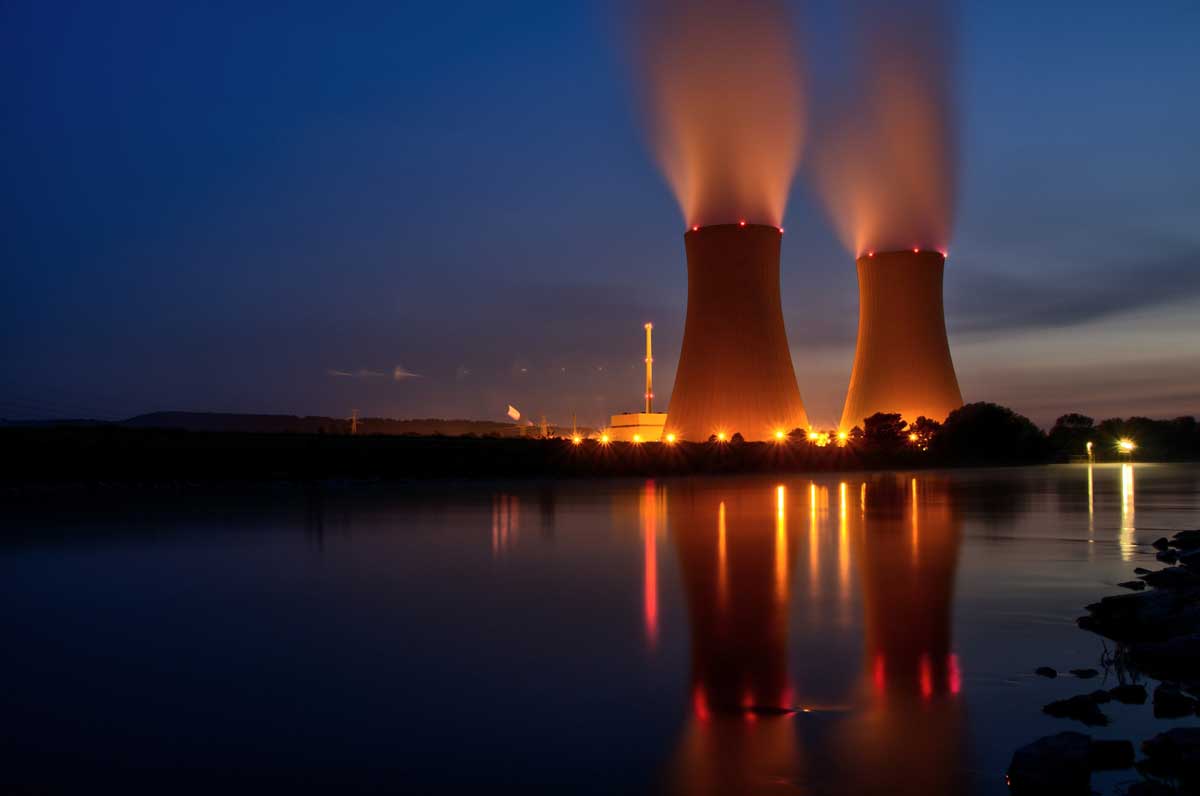
Bharat Heavy Electricals, a state-owned engineering firm, and Nuclear Power Corporation have signed an initial agreement to pursue business opportunities in nuclear power based on pressurised heavy water reactor technology. Under the terms of the agreement, BHEL and NPCIL will jointly investigate opportunities for the development of nuclear power projects in order to shorten project gestation time.

"State-run PSUs Nuclear Power Corporation of India (NPCIL) and Bharat Heavy Electricals (BHEL) have entered into an MoU (memorandum of understanding) to jointly pursue business opportunities in the area of Nuclear Power Plants based on Pressurised Heavy Water Reactor (PHWR) technology," according to a statement.

The MoU was signed at Niti Aayog by BHEL CMD Nalin Shinghal and Bhuwan Chandra Pathak, CMD - NPCIL in the presence of VK Saraswat (Member - NITI Aayog), KN Vyas (Secretary - Department of Atomic Energy & Chairman - Atomic Energy Commission), and Kamran Rizvi (Secretary - Ministry of Heavy Industries). Senior officials from the Department of Atomic Energy, the Ministry of Heavy Industries, BHEL, and NPCIL were also present.

BHEL is a leading manufacturer of power plant equipment (nuclear, hydro, thermal, and renewables) and the only Indian company that has been actively involved in all three stages of the Indian Nuclear Programme (first stage PHWR, second stage FBR, and third stage AHWR), providing sustainable and customer-centric solutions for more than five decades.

The company can design, engineer, manufacture, and supply nuclear power plant primary side (reactor headers, end shields, etc.) as well as secondary side (steam turbines, generators, heat exchangers, etc.) equipment. BHEL has provided steam turbine generator sets for nearly half of India's total installed nuclear capacity.

Its steam turbine generator set for Unit 1 (220 MW) of NPCIL's Kaiga Nuclear Power Plant in Karnataka set a world record of 962 days of continuous operation in December 2018, demonstrating the nuclear reactor and turbine system's best-integrated performance.

NPCIL is the sole Indian organisation responsible for the design, construction, and operation of thermal nuclear power plants in India, operating 22 commercial nuclear power plants and having over 580 reactor years of safe operating experience.

Collaboration between the two major Public Sector Enterprises will pave the way for the early implementation of non-polluting and long-cycle nuclear power projects, complementing the G20 theme of environmental sustainability and contributing to a cleaner and greener future.

Bharat Heavy Electricals, a state-owned engineering firm, and Nuclear Power Corporation have signed an initial agreement to pursue business opportunities in nuclear power based on pressurised heavy water reactor technology. Under the terms of the agreement, BHEL and NPCIL will jointly investigate opportunities for the development of nuclear power projects in order to shorten project gestation time. State-run PSUs Nuclear Power Corporation of India (NPCIL) and Bharat Heavy Electricals (BHEL) have entered into an MoU (memorandum of understanding) to jointly pursue business opportunities in the area of Nuclear Power Plants based on Pressurised Heavy Water Reactor (PHWR) technology, according to a statement. The MoU was signed at Niti Aayog by BHEL CMD Nalin Shinghal and Bhuwan Chandra Pathak, CMD - NPCIL in the presence of VK Saraswat (Member - NITI Aayog), KN Vyas (Secretary - Department of Atomic Energy & Chairman - Atomic Energy Commission), and Kamran Rizvi (Secretary - Ministry of Heavy Industries). Senior officials from the Department of Atomic Energy, the Ministry of Heavy Industries, BHEL, and NPCIL were also present. BHEL is a leading manufacturer of power plant equipment (nuclear, hydro, thermal, and renewables) and the only Indian company that has been actively involved in all three stages of the Indian Nuclear Programme (first stage PHWR, second stage FBR, and third stage AHWR), providing sustainable and customer-centric solutions for more than five decades. The company can design, engineer, manufacture, and supply nuclear power plant primary side (reactor headers, end shields, etc.) as well as secondary side (steam turbines, generators, heat exchangers, etc.) equipment. BHEL has provided steam turbine generator sets for nearly half of India's total installed nuclear capacity. Its steam turbine generator set for Unit 1 (220 MW) of NPCIL's Kaiga Nuclear Power Plant in Karnataka set a world record of 962 days of continuous operation in December 2018, demonstrating the nuclear reactor and turbine system's best-integrated performance. NPCIL is the sole Indian organisation responsible for the design, construction, and operation of thermal nuclear power plants in India, operating 22 commercial nuclear power plants and having over 580 reactor years of safe operating experience. Collaboration between the two major Public Sector Enterprises will pave the way for the early implementation of non-polluting and long-cycle nuclear power projects, complementing the G20 theme of environmental sustainability and contributing to a cleaner and greener future.

Next Story
Infrastructure Transport

India Becomes First to Produce Bio-Bitumen for Roads

India has become the first country in the world to commercially produce bio-bitumen for use in road construction, according to Road, Transport and Highways Minister Nitin Gadkari. Bitumen, a black and viscous hydrocarbon derived from crude oil, is a key binding material in road building, and the bio-based alternative is expected to significantly improve the sector’s environmental footprint.Addressing the CSIR Technology Transfer Ceremony in New Delhi, Mr Gadkari congratulated Council of Scientific and Industrial Research on achieving the milestone, noting that the initiative would help curb ..

Next Story
Infrastructure Urban

HILT Policy Seen Boosting Telangana Revenue Sharply

The Hyderabad Industrial Land Transformation (HILT) Policy is expected to generate around Rs 1.08 billion in revenue for the Telangana state exchequer, according to Deputy Chief Minister Bhatti Vikramarka Mallu. Speaking in the Telangana Legislative Assembly, he said the policy would be implemented within a six-month timeframe in a transparent manner, with uniform rules applicable to all stakeholders. Mr Vikramarka noted that without the HILT Policy, the state would have earned only about Rs 1.2 million per acre. Under the new framework, however, revenue is projected to rise sharply to Rs 70 ..

Next Story
Infrastructure Urban

India Post, MoRD Tie Up to Boost Rural Inclusion

The Department of Posts and the Ministry of Rural Development have signed a Memorandum of Understanding to accelerate rural transformation and expand financial, digital and logistics services for Self-Help Groups (SHGs) and rural households across India. The agreement was signed in the presence of Union Minister of Communications and Development of North Eastern Region Jyotiraditya M. Scindia and Union Minister of Rural Development and Agriculture and Farmers’ Welfare Shivraj Singh Chouhan. The collaboration aligns with the government’s “Dak Sewa, Jan Sewa” vision and seeks to repositi..

Advertisement

Subscribe to Our Newsletter

Get daily newsletters around different themes from Construction world.

STAY CONNECTED

Advertisement

Advertisement

Advertisement

Advertisement

Open In App