Domestic Rooftop Solar Installations in Tamil Nadu Remain Low
POWER & RENEWABLE ENERGY

Domestic Rooftop Solar Installations in Tamil Nadu Remain Low

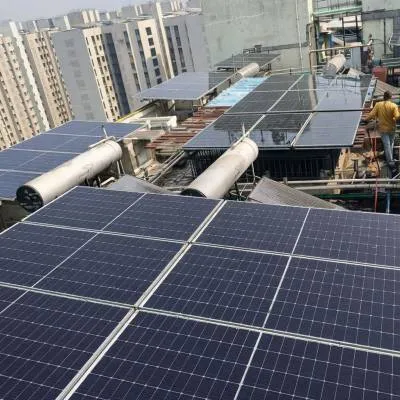
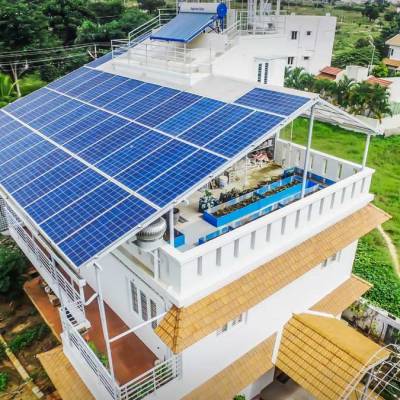
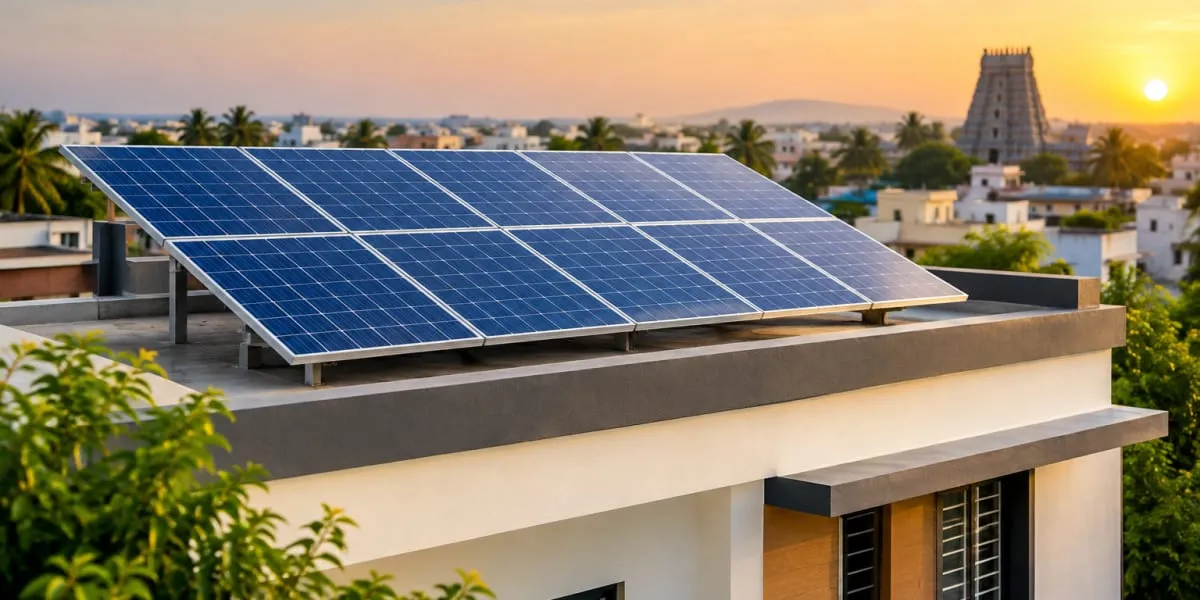
Domestic rooftop solar installations in Tamil Nadu remain limited despite the benefits available under the PM Surya Ghar scheme, according to consumer and industry representatives. The Tamil Nadu Green Energy Corporation is working to bring more households into the programme, which has supported 425.61 MW of domestic rooftop solar capacity in the State.

Consumer representatives said policy changes were needed to make rooftop solar more attractive. They pointed to network charges imposed on households even when rooftop systems substantially reduce or eliminate their bi-monthly electricity charges. The charges, they said, reduce the financial benefit advertised to consumers.

A.D. Thirumurthi, adviser to the National Solar Energy Federation of India, said domestic rooftop solar consumers should be exempted from network charges. He also said households should receive at least the average power purchase cost for surplus electricity generated during a financial year and supplied to the grid without being used.

K. Kathirmathiyon, secretary of Coimbatore Consumer Cause, explained that a household with a 5 kW rooftop system and bi-monthly consumption of 500 to 550 units could generate more electricity than it uses. The surplus would be supplied to the grid, but the consumer would receive no payment and could still face annual network charges of nearly Rs. 5,800.

The representatives urged the State government and the Tamil Nadu Electricity Regulatory Commission (TNERC) to ensure that surplus electricity left unadjusted at the end of the settlement period on 31 March is compensated. They also called for the withdrawal of network and wheeling charges applicable to domestic rooftop solar producers and consumers under the TNERC tariff framework in force since 22 October 2021.

Thirumurthi said households consuming more than 500 units every two months would benefit most from installing rooftop solar. He urged the government to introduce measures specifically encouraging this category of consumers to adopt the technology.

Domestic rooftop solar installations in Tamil Nadu remain limited despite the benefits available under the PM Surya Ghar scheme, according to consumer and industry representatives. The Tamil Nadu Green Energy Corporation is working to bring more households into the programme, which has supported 425.61 MW of domestic rooftop solar capacity in the State. Consumer representatives said policy changes were needed to make rooftop solar more attractive. They pointed to network charges imposed on households even when rooftop systems substantially reduce or eliminate their bi-monthly electricity charges. The charges, they said, reduce the financial benefit advertised to consumers. A.D. Thirumurthi, adviser to the National Solar Energy Federation of India, said domestic rooftop solar consumers should be exempted from network charges. He also said households should receive at least the average power purchase cost for surplus electricity generated during a financial year and supplied to the grid without being used. K. Kathirmathiyon, secretary of Coimbatore Consumer Cause, explained that a household with a 5 kW rooftop system and bi-monthly consumption of 500 to 550 units could generate more electricity than it uses. The surplus would be supplied to the grid, but the consumer would receive no payment and could still face annual network charges of nearly Rs. 5,800. The representatives urged the State government and the Tamil Nadu Electricity Regulatory Commission (TNERC) to ensure that surplus electricity left unadjusted at the end of the settlement period on 31 March is compensated. They also called for the withdrawal of network and wheeling charges applicable to domestic rooftop solar producers and consumers under the TNERC tariff framework in force since 22 October 2021. Thirumurthi said households consuming more than 500 units every two months would benefit most from installing rooftop solar. He urged the government to introduce measures specifically encouraging this category of consumers to adopt the technology.

Related Stories

Gold Stories

Next Story
Infrastructure Urban

DGTR Opens Anti-Dumping Probe into Aluminium Imports

The Directorate General of Trade Remedies (DGTR) has initiated a suo motu anti-dumping investigation into aluminium products imported from China, Malaysia, Vietnam and Thailand. The investigation follows concerns that increased imports from the four countries have caused injury to domestic manufacturers, particularly micro, small and medium enterprises (MSMEs). According to a DGTR notification dated November 9, the probe followed representations from the Aluminium Extrusion Manufacturers Association of India (ALEMAI). The association represents 228 manufacturers producing aluminium extrusion p..

Next Story
Infrastructure Urban

NMDC Explores Lithium Investments with Russia’s Rosatom

State-owned miner NMDC is in preliminary discussions with Russian state nuclear corporation Rosatom to explore investments in lithium mining and processing projects in Russia, according to media reports citing three people familiar with the matter. The discussions are part of India’s efforts to diversify critical mineral supply chains and secure lithium for batteries and electric vehicles. NMDC officials visited Russia last month to attend a conference and held discussions with Rosatom representatives, the reports said. The miner is examining opportunities across lithium mining and processin..

Next Story
Infrastructure Urban

HCA Global Services Pre-leases 644,000 Sq Ft at Mindspace

HCA Global Services, the Indian subsidiary and Global Capability Centre (GCC) arm of US-based healthcare services provider HCA Healthcare, has pre-leased 644,000 sq ft of office space at Mindspace IT Park in Hyderabad for 10 years. The total rental commitment is estimated at Rs. 9.45 bn, according to documents accessed by Propstack. The office park is owned by Mindspace Business Parks REIT and leased by K Raheja IT Park (Hyderabad). The agreement covers 644,000 sq ft of chargeable area and 451,000 sq ft of carpet area across seven levels in Building 8. The premises include the lower ground flo..

Advertisement

Subscribe to Our Newsletter

Get daily newsletters around different themes from Construction world.

STAY CONNECTED

Advertisement

SPECIAL OFFER
QR Code