Gogoro Collaborates with HPCL for Indian Battery Swap Expansion
POWER & RENEWABLE ENERGY

Gogoro Collaborates with HPCL for Indian Battery Swap Expansion

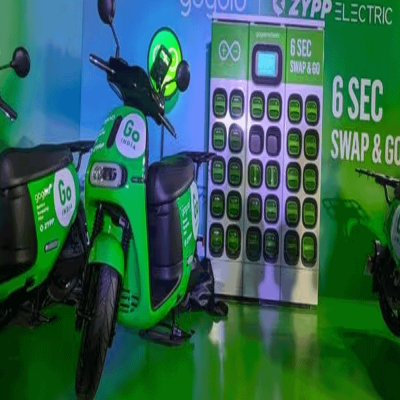
Taiwanese electric scooter manufacturer Gogoro has joined forces with Hindustan Petroleum Corporation Limited (HPCL) to establish battery swapping stations across India. This collaboration aims to accelerate electric vehicle adoption by offering a convenient and efficient solution for scooter riders.

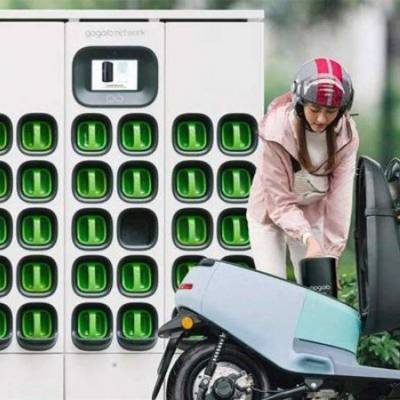
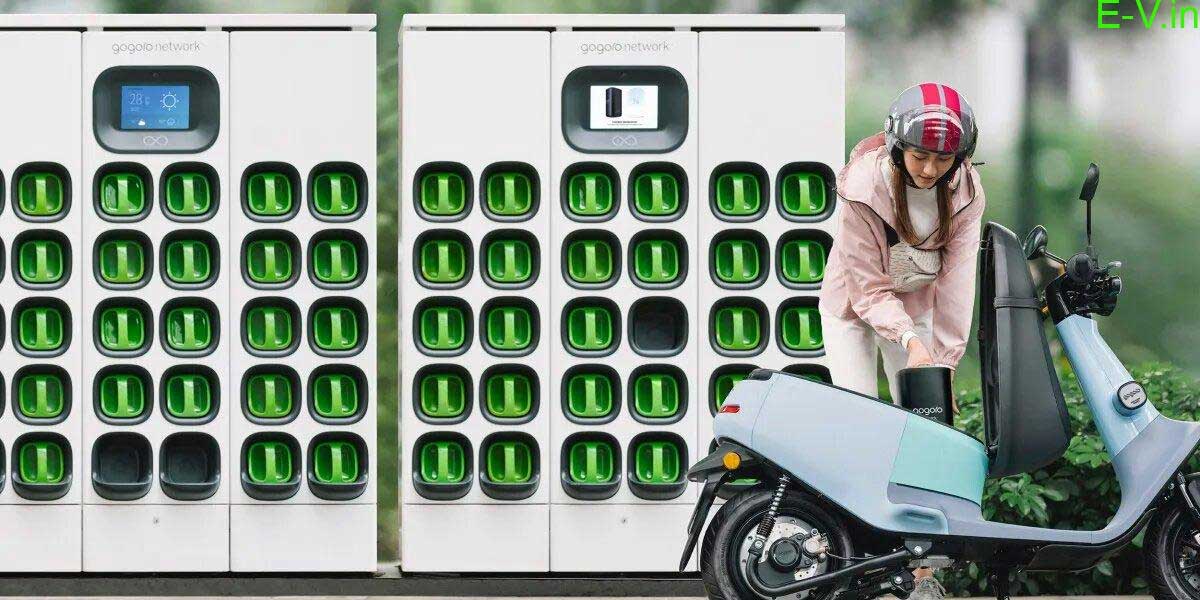
Gogoro is renowned for its innovative battery swapping technology, which enables users to exchange depleted batteries for fully charged ones in a matter of seconds. The company already operates similar swapping networks in Taiwan and Europe.

Partnering with HPCL, one of India's leading oil and gas companies, will allow Gogoro to tap into the Indian market and make battery swapping more accessible to scooter riders. The country's scooter market is currently dominated by petrol-powered vehicles, but with Gogoro's advanced technology, electric scooters could see a surge in popularity.

Gogoro's battery swapping system provides a significant advantage over traditional charging methods, as it eliminates the need to wait for hours to recharge a scooter's battery. With Gogoro's expansion, riders can easily swap their battery at any Gogoro network station and continue their journey without lengthy delays.

Moreover, Gogoro's battery-swapping infrastructure offers environmental benefits by reducing the use of non-renewable resources and lowering carbon emissions associated with electricity generation. This aligns with India's commitment to promote sustainable mobility solutions and combat climate change.

This partnership aligns with the Indian government's focus on electric mobility. The country has set ambitious goals to increase the adoption of electric vehicles in recent years, including offering various incentives and subsidies to promote the transition to environmentally friendly transportation options.

Gogoro and HPCL plan to roll out the battery swapping network in select cities across India. By establishing a robust infrastructure, they aim to overcome the hurdle of limited charging infrastructure for electric vehicles, making it more viable for people to choose electric scooters over traditional petrol-powered options.

India's vast population and increasing demand for urban mobility present a significant market opportunity for electric vehicle manufacturers like Gogoro. With this collaboration, Gogoro aims to introduce its advanced technology to Indian consumers and contribute to the country's sustainable transportation landscape.

In conclusion, Gogoro's partnership with HPCL paves the way for battery swapping stations to proliferate throughout India. By offering a more convenient and efficient charging solution, this collaboration has the potential to boost the adoption of electric scooters and promote sustainable transportation across the country.

Taiwanese electric scooter manufacturer Gogoro has joined forces with Hindustan Petroleum Corporation Limited (HPCL) to establish battery swapping stations across India. This collaboration aims to accelerate electric vehicle adoption by offering a convenient and efficient solution for scooter riders. Gogoro is renowned for its innovative battery swapping technology, which enables users to exchange depleted batteries for fully charged ones in a matter of seconds. The company already operates similar swapping networks in Taiwan and Europe. Partnering with HPCL, one of India's leading oil and gas companies, will allow Gogoro to tap into the Indian market and make battery swapping more accessible to scooter riders. The country's scooter market is currently dominated by petrol-powered vehicles, but with Gogoro's advanced technology, electric scooters could see a surge in popularity. Gogoro's battery swapping system provides a significant advantage over traditional charging methods, as it eliminates the need to wait for hours to recharge a scooter's battery. With Gogoro's expansion, riders can easily swap their battery at any Gogoro network station and continue their journey without lengthy delays. Moreover, Gogoro's battery-swapping infrastructure offers environmental benefits by reducing the use of non-renewable resources and lowering carbon emissions associated with electricity generation. This aligns with India's commitment to promote sustainable mobility solutions and combat climate change. This partnership aligns with the Indian government's focus on electric mobility. The country has set ambitious goals to increase the adoption of electric vehicles in recent years, including offering various incentives and subsidies to promote the transition to environmentally friendly transportation options. Gogoro and HPCL plan to roll out the battery swapping network in select cities across India. By establishing a robust infrastructure, they aim to overcome the hurdle of limited charging infrastructure for electric vehicles, making it more viable for people to choose electric scooters over traditional petrol-powered options. India's vast population and increasing demand for urban mobility present a significant market opportunity for electric vehicle manufacturers like Gogoro. With this collaboration, Gogoro aims to introduce its advanced technology to Indian consumers and contribute to the country's sustainable transportation landscape. In conclusion, Gogoro's partnership with HPCL paves the way for battery swapping stations to proliferate throughout India. By offering a more convenient and efficient charging solution, this collaboration has the potential to boost the adoption of electric scooters and promote sustainable transportation across the country.

Next Story
Infrastructure Urban

India Expands Semiconductor Training To 500 Institutions

Under the Chips to Startups programme of the India Semiconductor Mission, the Union minister responsible for Railways, Information and Broadcasting, and Electronics and IT reported notable progress in talent development. He indicated that over the past four years substantial steps have been taken towards a 10-year target of training 85,000 engineers in semiconductor design. World-class EDA tools have been deployed in 315 academic institutions across the country to provide students with practical exposure to chip design. These EDA tools are supported by leading global firms and are accessible t..

Next Story
Infrastructure Urban

Delhi Institutions Support India Semiconductor Mission

The Government of India has prioritised talent development through training, upskilling and workforce development under the Chips to Startups initiative of the India Semiconductor Mission, with officials noting progress in four years towards a 10-year target of training 85,000 engineers in semiconductor design. Electronic design automation tools provided by Synopsys, Cadence, Siemens, Renesas, Ansys and AMD have been deployed in 315 academic institutions, enabling students to gain practical chip design experience. Chips have been fabricated and tested at the Semiconductor Laboratory, Mohali, a..

Next Story
Infrastructure Urban

NHA Announces Winners Of NHCX Hackathon At IIT Hyderabad

The National Health Authority (NHA) has concluded the NHCX Hackathon under the Ayushman Bharat Digital Mission (ABDM) to stimulate innovation around the National Health Claims Exchange (NHCX). The winning teams presented their solutions at the NHCX Innovation Meet held at IIT Hyderabad during a two-day event in March 2026 that also served as the hackathon grand finale. The hackathon itself ran from 22 to 28 February 2026 and aimed to accelerate paperless, transparent claims processing across India. The event was organised with a range of ecosystem partners, including the Insurance Regulatory a..

Advertisement

Subscribe to Our Newsletter

Get daily newsletters around different themes from Construction world.

STAY CONNECTED

Advertisement

Advertisement

Advertisement