+
Green Hydrogen Risks Without Supply Chain Overhaul
POWER & RENEWABLE ENERGY

Green Hydrogen Risks Without Supply Chain Overhaul

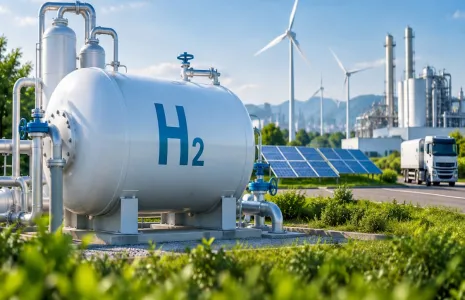
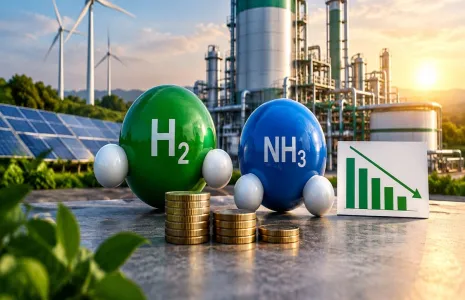
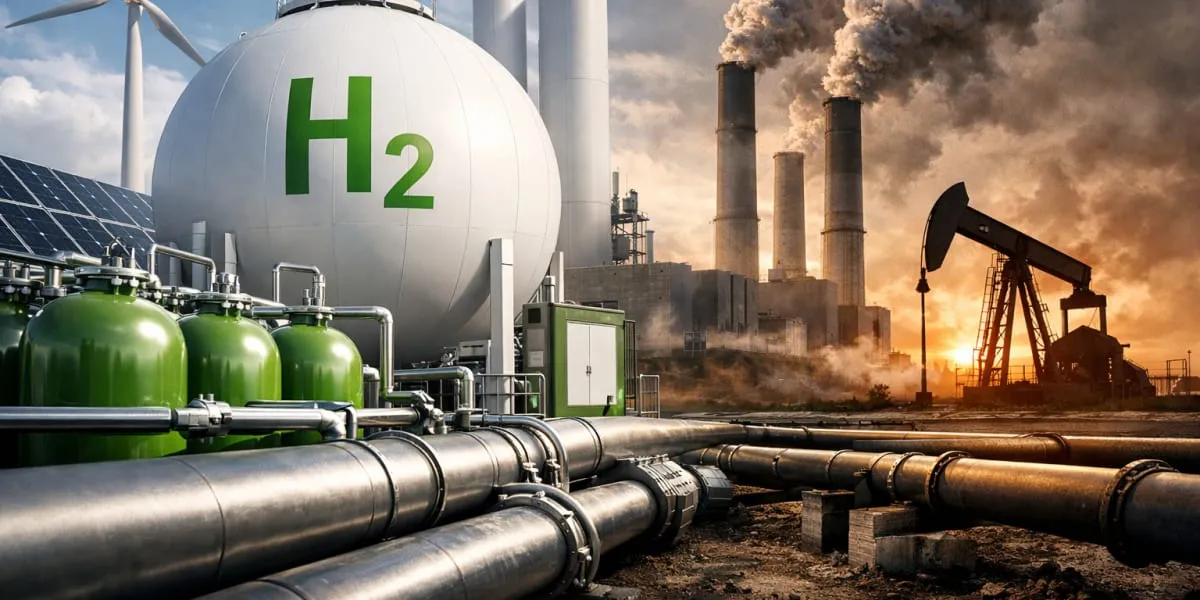
A study led by researchers at the University of Sheffield has found that a global push for green hydrogen could fail to deliver intended climate benefits unless the ways hydrogen is produced and transported are overhauled. The paper, published in Nature Communications Sustainability, analysed how the environmental impact of hydrogen varies according to energy sources used across the supply chain. The authors warn that reliance on electricity from fossil fuel-based power systems can undermine the climate advantage of hydrogen.

The researchers assessed 20 potential hydrogen production and transport scenarios across 14 countries between 2023 and 2050 and evaluated five hydrogen production pathways, including electrolysis and biomass-based processes. The analysis examined how energy sources and transport systems affect environmental outcomes and found that hydrogen produced by electrolysis currently gives some of the highest global warming impacts because much of the electricity used in the process still comes from carbon-intensive grids. At present around 96 per cent of global hydrogen production remains connected to fossil fuel-powered energy systems, which raises concerns about whether large-scale hydrogen deployment will automatically reduce emissions.

The study also finds that hydrogen could become substantially cleaner if electricity systems are rapidly decarbonised, with some supply chains able to reduce environmental impacts by more than 90 per cent by 2050 compared with current production levels. Researchers identified scenarios in which international supply chains improve sustainability, notably where hydrogen produced in the United Kingdom using proton exchange membrane electrolysis is transported to the United States, subject to both countries transitioning to cleaner power systems. These results underscore the conditional nature of hydrogen benefits.

The authors contend that realising the potential of hydrogen requires major changes to electricity systems, transport infrastructure and policy frameworks so that renewable electricity becomes dominant across supply chains. They recommend coordinated investment and regulatory action to align hydrogen deployment with rapid grid decarbonisation and careful planning of international trade routes. Without such systemic change the advantages of green hydrogen risk being negated by embedded fossil fuel emissions.

A study led by researchers at the University of Sheffield has found that a global push for green hydrogen could fail to deliver intended climate benefits unless the ways hydrogen is produced and transported are overhauled. The paper, published in Nature Communications Sustainability, analysed how the environmental impact of hydrogen varies according to energy sources used across the supply chain. The authors warn that reliance on electricity from fossil fuel-based power systems can undermine the climate advantage of hydrogen. The researchers assessed 20 potential hydrogen production and transport scenarios across 14 countries between 2023 and 2050 and evaluated five hydrogen production pathways, including electrolysis and biomass-based processes. The analysis examined how energy sources and transport systems affect environmental outcomes and found that hydrogen produced by electrolysis currently gives some of the highest global warming impacts because much of the electricity used in the process still comes from carbon-intensive grids. At present around 96 per cent of global hydrogen production remains connected to fossil fuel-powered energy systems, which raises concerns about whether large-scale hydrogen deployment will automatically reduce emissions. The study also finds that hydrogen could become substantially cleaner if electricity systems are rapidly decarbonised, with some supply chains able to reduce environmental impacts by more than 90 per cent by 2050 compared with current production levels. Researchers identified scenarios in which international supply chains improve sustainability, notably where hydrogen produced in the United Kingdom using proton exchange membrane electrolysis is transported to the United States, subject to both countries transitioning to cleaner power systems. These results underscore the conditional nature of hydrogen benefits. The authors contend that realising the potential of hydrogen requires major changes to electricity systems, transport infrastructure and policy frameworks so that renewable electricity becomes dominant across supply chains. They recommend coordinated investment and regulatory action to align hydrogen deployment with rapid grid decarbonisation and careful planning of international trade routes. Without such systemic change the advantages of green hydrogen risk being negated by embedded fossil fuel emissions.

Next Story
Infrastructure Urban

ABB to Invest Rs 6.25 Billion to Expand India Manufacturing

ABB recently announced plans to invest approximately Rs 6.25 billion ($75 million) in India during 2026 to expand its manufacturing footprint and research and development capabilities. The investment follows more than $35 million spent in 2025 and reflects the company’s continued focus on strengthening its ‘local-for-local’ strategy in the country.The investment will support ABB’s Electrification, Motion and Automation businesses and expand manufacturing capacity for infrastructure sectors such as renewable energy, metro rail, data centres and industrial applications. Approximately 300..

Next Story
Equipment

Six WOLFF Cranes Handle 60,000 m³ Concrete for German Hospital

Six WOLFF tower cranes are playing a key role in constructing a new hospital complex in Memmingen, Germany, supporting large-scale material handling for the project. The facility is being built on a 7.7-hectare site and will feature six floors, around 480 beds and a gross floor area exceeding 75,000 sq m.Building shell works began recently in February 2025. One WOLFF 6531.12 Cross crane supported early site preparation before being dismantled in autumn 2025, while five remaining cranes continue operations. Over an average deployment period of 16 months, the cranes are expected to move approxim..

Next Story
Equipment

REC Funds Rs 115.6 Million CSR Support for Bihar Eye Hospital

REC recently committed Rs 115.6 million under its Corporate Social Responsibility (CSR) programme for the procurement of clinical and non-clinical equipment at Sankara Eye Hospital in Saharsa, Bihar. The initiative aims to strengthen healthcare infrastructure and improve access to specialised eye care services in the region.A Memorandum of Agreement (MoA) was recently signed between Pradeep Fellows, Executive Director (CSR), REC Limited, and Wg Cdr V. Shankar (Retd), Trustee and Executive Director of Sankara Eye Hospital, at the REC office in the SCOPE Complex, New Delhi.The support is expecte..

Advertisement

Subscribe to Our Newsletter

Get daily newsletters around different themes from Construction world.

STAY CONNECTED

Advertisement

Advertisement

Advertisement