ICRA Forecasts Stable Thermal PLF and 6% Power Demand Growth for FY2025
POWER & RENEWABLE ENERGY

ICRA Forecasts Stable Thermal PLF and 6% Power Demand Growth for FY2025

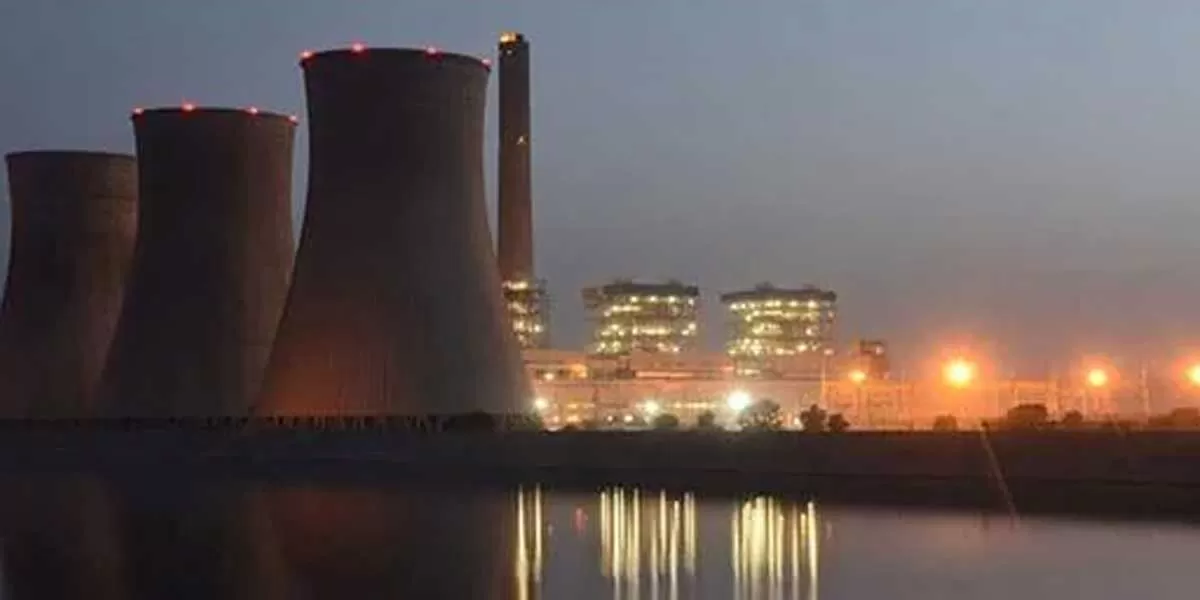
ICRA, a credit rating agency, has forecasted stable Plant Load Factor (PLF) for thermal power plants and expects a 6% growth in electricity demand for the fiscal year 2025. This projection reflects cautious optimism amidst ongoing efforts to stabilize and expand India's power sector amid various economic and regulatory challenges.

According to ICRA's analysis, thermal power plants are likely to maintain stable PLF levels, indicating consistent operational efficiency and utilization rates. This stability is crucial for ensuring reliable electricity supply to meet the growing energy needs of industrial, commercial, and residential consumers across the country.

The anticipated 6% growth in power demand signals recovery and growth in electricity consumption, driven by economic revival, industrial expansion, and increased consumer spending. ICRA's projections consider factors such as improved electricity access, infrastructure development, and government initiatives promoting sustainable energy sources.

Despite the challenges posed by the COVID-19 pandemic and global supply chain disruptions, India's power sector is poised for growth supported by policy measures, investments in infrastructure, and technological advancements. ICRA's outlook underscores the resilience of the thermal power segment and its role in meeting the nation's energy requirements.

Looking ahead, ICRA emphasises the importance of continued investments in power generation, transmission, and distribution infrastructure to sustain growth momentum and ensure energy security. The agency's forecasts provide valuable insights for stakeholders in planning and executing strategies to enhance efficiency and reliability in India's evolving power landscape.

ICRA, a credit rating agency, has forecasted stable Plant Load Factor (PLF) for thermal power plants and expects a 6% growth in electricity demand for the fiscal year 2025. This projection reflects cautious optimism amidst ongoing efforts to stabilize and expand India's power sector amid various economic and regulatory challenges. According to ICRA's analysis, thermal power plants are likely to maintain stable PLF levels, indicating consistent operational efficiency and utilization rates. This stability is crucial for ensuring reliable electricity supply to meet the growing energy needs of industrial, commercial, and residential consumers across the country. The anticipated 6% growth in power demand signals recovery and growth in electricity consumption, driven by economic revival, industrial expansion, and increased consumer spending. ICRA's projections consider factors such as improved electricity access, infrastructure development, and government initiatives promoting sustainable energy sources. Despite the challenges posed by the COVID-19 pandemic and global supply chain disruptions, India's power sector is poised for growth supported by policy measures, investments in infrastructure, and technological advancements. ICRA's outlook underscores the resilience of the thermal power segment and its role in meeting the nation's energy requirements. Looking ahead, ICRA emphasises the importance of continued investments in power generation, transmission, and distribution infrastructure to sustain growth momentum and ensure energy security. The agency's forecasts provide valuable insights for stakeholders in planning and executing strategies to enhance efficiency and reliability in India's evolving power landscape.

Next Story
Infrastructure Urban

Implementation Status of Jal Jeevan Mission

Since August 2019 the Government has implemented Jal Jeevan Mission to provide assured potable water through household tap connections in rural India. At the start of the mission only 32.3 million (mn) rural households, representing 16.7 per cent, were reported to have tap water connections. States and union territories have reported that 125.8 mn additional rural households have since been provided with tap connections. As a result, of about 193.6 mn rural households roughly 158.2 mn, or 81.71 per cent, are reported to have tap water supply at home.\n\nThe State, district and village level st..

Next Story
Infrastructure Urban

Jal Jeevan Mission Reaches Eighty One Per Cent Rural Coverage

The Government reported substantial progress under the Jal Jeevan Mission, launched in August 2019 to provide tap water to every rural household. At launch only 32.3 million (mn) rural households had tap connections and states and Union territories reported provision of 125.8 mn additional households by March 2026. Consequently, out of about 193.6 mn rural households around 158.2 mn, or 81.71 per cent, are reported to have tap water at home. The Finance Minister announced extension of the mission until 2028 in the 2025-26 budget speech. The Swachh Bharat Mission Grameen, launched in October 20..

Next Story
Infrastructure Urban

Empowering Local Governance for Sustainable Rural Water Supply

The Ministry of Jal Shakti has aligned the Jal Jeevan Mission (JJM) with the 73rd Amendment to strengthen village level planning and community ownership of water supply. Gram Panchayats, village water and sanitation committees and Pani Samitis are to plan, implement, manage and maintain piped water systems, with gram sabha processes formalising handover and oversight. Implementation support agencies including non government organisations, community based organisations and self help groups have been empanelled to train local committees and promote women participation. Under JJM, the department ..

Advertisement

Subscribe to Our Newsletter

Get daily newsletters around different themes from Construction world.

STAY CONNECTED

Advertisement

Advertisement

Advertisement