India Exchanges Green Ammonia Agreements To Boost Fertiliser Security
POWER & RENEWABLE ENERGY

India Exchanges Green Ammonia Agreements To Boost Fertiliser Security

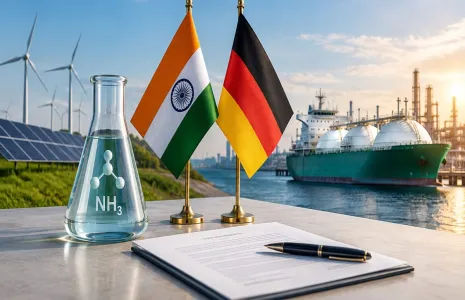
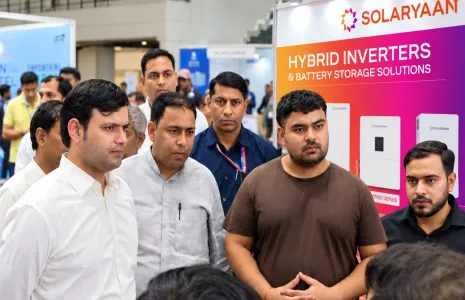
The Department of Fertilisers, Government of India, finalised the exchange of Green Ammonia Purchase Agreements and Green Ammonia Supply Agreements for 11 projects under the National Green Hydrogen Mission at New Delhi in the presence of union ministers and senior officials. The agreements are intended to operationalise green hydrogen and green ammonia projects and integrate green derivatives into the fertiliser value chain. The Union Minister described the exchange as a historic step towards sustainable fertiliser production, energy security and self-reliance.

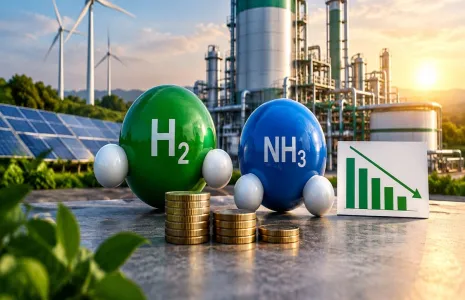
Fertilisers companies have entered long-term agreements with green ammonia producers to secure supply at fixed prices for a tenure of 10 years, providing demand assurance and investment security. The Solar Energy Corporation of India conducted competitive bidding under the SIGHT programme and discovered prices ranging from Rs 49.75 to Rs 64.74 per kg, substantially lower than international benchmarks of around Rs 110 per kg. SECI has allocated a total capacity of 724,000 t per annum linked to 13 fertiliser units nationwide.

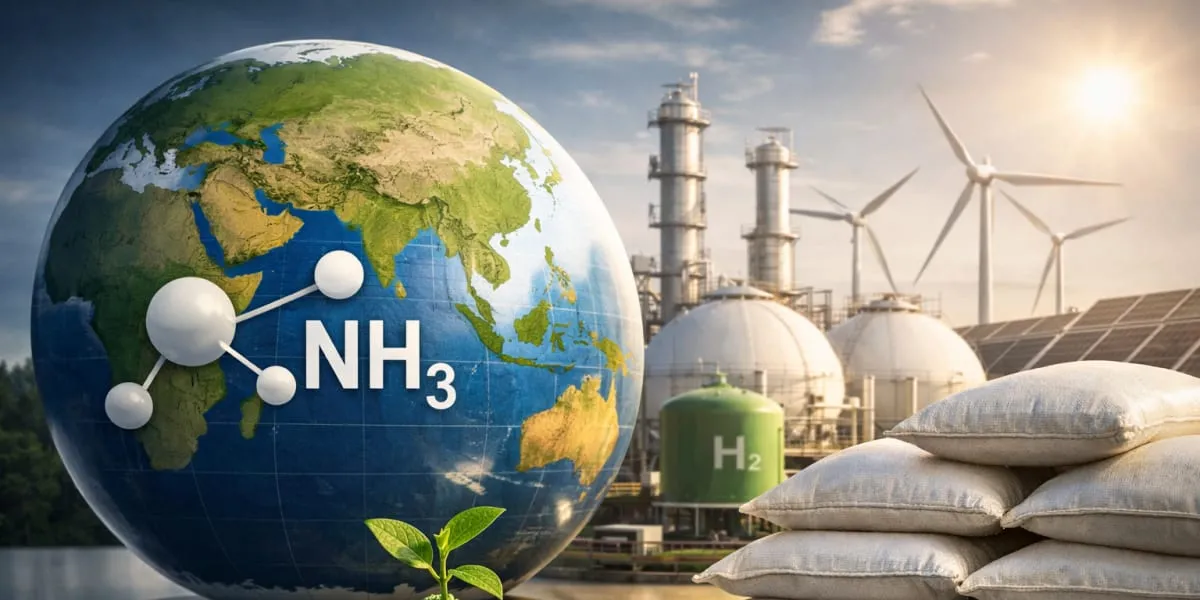
The adoption of green ammonia is expected to reduce import dependence and conserve foreign exchange while supporting more stable domestic production of phosphatic and potassic fertilisers including DAP and NPK variants. India currently produces about 16.5–17 million (mn) tonne (t) of P&K fertilisers but a significant portion relies on imported ammonia, and recent geopolitical disruption has driven volatility in availability and price. A stable domestic supply of green ammonia should also attract investments and additional manufacturing units over time.

The National Green Hydrogen Mission has an outlay of Rs 197.44 bn and targets five million (mn) t of green hydrogen per annum by 2030 to position India as a global hub for green hydrogen and derivatives. The Department of Fertilisers, in coordination with the Ministry of New and Renewable Energy, SECI and manufacturers, is implementing measures to build a low-carbon fertiliser sector and to scale green hydrogen integration. The transition is projected to generate foreign exchange savings of about $2.5 bn over 10 years and to create employment while enhancing long-term resilience in the sector.

"Join industry leaders at RAHSTA Expo, India's premier platform for roads, highways and traffic infrastructure. Register now to explore innovations, network with experts and shape the future of mobility."

The Department of Fertilisers, Government of India, finalised the exchange of Green Ammonia Purchase Agreements and Green Ammonia Supply Agreements for 11 projects under the National Green Hydrogen Mission at New Delhi in the presence of union ministers and senior officials. The agreements are intended to operationalise green hydrogen and green ammonia projects and integrate green derivatives into the fertiliser value chain. The Union Minister described the exchange as a historic step towards sustainable fertiliser production, energy security and self-reliance. Fertilisers companies have entered long-term agreements with green ammonia producers to secure supply at fixed prices for a tenure of 10 years, providing demand assurance and investment security. The Solar Energy Corporation of India conducted competitive bidding under the SIGHT programme and discovered prices ranging from Rs 49.75 to Rs 64.74 per kg, substantially lower than international benchmarks of around Rs 110 per kg. SECI has allocated a total capacity of 724,000 t per annum linked to 13 fertiliser units nationwide. The adoption of green ammonia is expected to reduce import dependence and conserve foreign exchange while supporting more stable domestic production of phosphatic and potassic fertilisers including DAP and NPK variants. India currently produces about 16.5–17 million (mn) tonne (t) of P&K fertilisers but a significant portion relies on imported ammonia, and recent geopolitical disruption has driven volatility in availability and price. A stable domestic supply of green ammonia should also attract investments and additional manufacturing units over time. The National Green Hydrogen Mission has an outlay of Rs 197.44 bn and targets five million (mn) t of green hydrogen per annum by 2030 to position India as a global hub for green hydrogen and derivatives. The Department of Fertilisers, in coordination with the Ministry of New and Renewable Energy, SECI and manufacturers, is implementing measures to build a low-carbon fertiliser sector and to scale green hydrogen integration. The transition is projected to generate foreign exchange savings of about $2.5 bn over 10 years and to create employment while enhancing long-term resilience in the sector.

Next Story
Real Estate

Pecan Realty Completes Rs 1.5 Billion Transactions

Pecan Realty has recently completed four institutional transactions worth over Rs 1.5 billion over the past two years, strengthening its position as an execution-led real estate platform. The deals include resolution-led acquisitions, structured finance transactions and capital partnerships across its development portfolio.The transactions covered acquisitions through the National Company Law Tribunal process and helped provide repayment or exits to both private and public sector lenders. The company said the deals demonstrate its ability to resolve complex project situations, work with instit..

Next Story
Real Estate

SNN Estates Expands North Bengaluru Housing Project

SNN Estates has announced an expansion of its SNN Estates Felicity residential project in North Bengaluru following strong buyer demand, with 75 per cent of the first-phase inventory sold within three days of launch.The developer will add 76 apartments in the new phase, taking the project's estimated revenue potential to around Rs 1,000 crore upon completion of Phase 2.Spread across 6.5 acres in Rachenahalli, near Manyata Tech Park, the project comprises 604 apartments in 1.5, 2, 2.5, 3 and 4 BHK configurations. The development includes a 50,000-sq-ft clubhouse with amenities such as sports co..

Next Story
Infrastructure Urban

SCG Drives ASEAN Industrial Transformation Strategy

SCG is strengthening its focus on ASEAN as a key growth region by advancing industrial transformation, enhancing competitiveness and building resilient regional value chains. Thammasak Sethaudom, President and Chief Executive Officer, SCG, highlighted the need for industries to continuously develop capabilities, strengthen resilience and deepen regional cooperation to achieve sustainable long-term growth.SCG views ASEAN as an important growth engine alongside China, supported by favourable demographics, trade connectivity and investment flows. With ASEAN’s GDP projected to grow by around 4.7..

Advertisement

Subscribe to Our Newsletter

Get daily newsletters around different themes from Construction world.

STAY CONNECTED

Advertisement

Advertisement

Advertisement