Rajasthan Joins Namo Bharat Network To Link Alwar And New Delhi
RAILWAYS & METRO RAIL

Rajasthan Joins Namo Bharat Network To Link Alwar And New Delhi

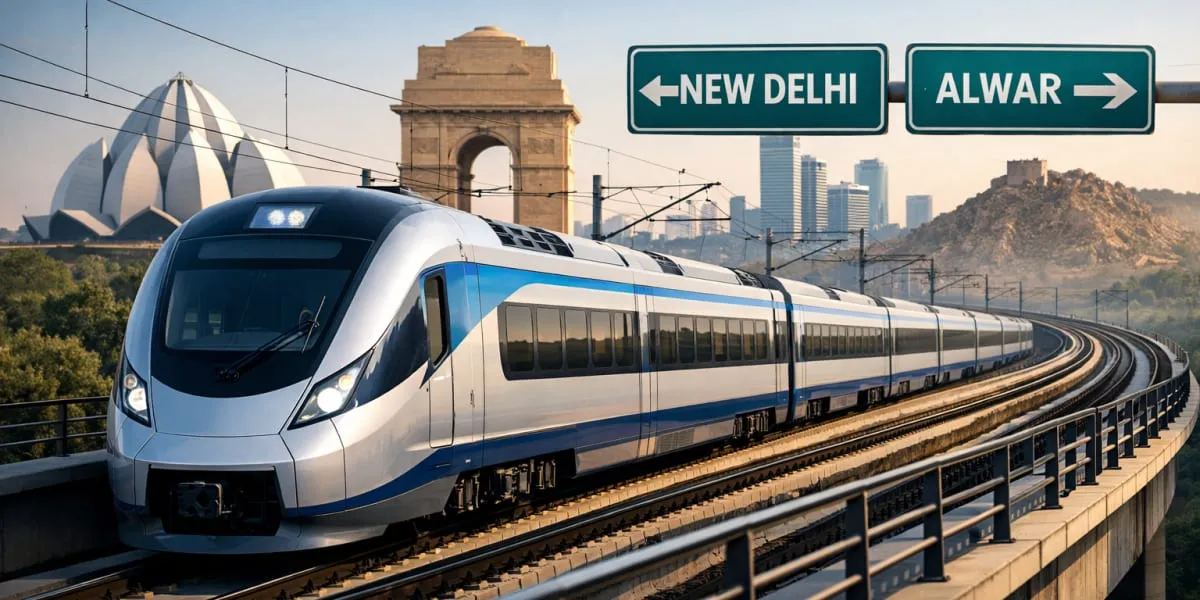
The Regional Rapid Transit System (RRTS) project has advanced after Rajasthan agreed with Haryana to join the Namo Bharat network, allowing Namo Bharat trains to operate between New Delhi and Alwar. The Delhi-Gurugram-SNB-Alwar corridor will start at Sarai Kale Khan in New Delhi and pass through Munirka, Aerocity, Gurugram and Bawal before reaching Khairthal and Alwar via SNB, and a branch from SNB is to extend to Sotanala through Neemrana and Behror. Officials said the move aligns with the Integrated Transport Plan for the National Capital Region (NCR).

Authorities said the corridor is expected to benefit industrial hubs in the NCR, including Bhiwadi and Neemrana in Rajasthan, and to generate new investment, employment and economic growth. In the initial phase three corridors are being prioritised: Delhi-Ghaziabad-Meerut, Delhi-Gurugram-SNB-Alwar and Delhi-Panipat-Karnal, with the Delhi-Ghaziabad-Meerut corridor already inaugurated. Planners noted interoperable design will permit through journeys without system changes and ease passenger transfers.

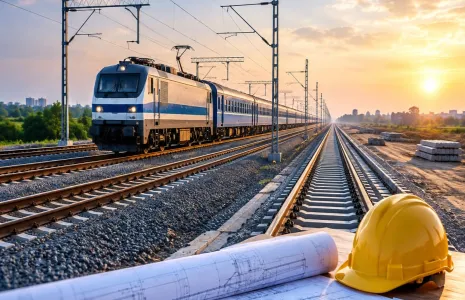
The proposed network will span 196 kilometres and include 22 major stations, while in Rajasthan the project will cover 91 kilometres and include six proposed stations to expand commuter access. The corridor will feature state-of-the-art infrastructure and high-speed trains capable of reaching up to 160 kmph, and the RRTS model is presented as a next-generation public transport system for the region with trains able to run at nearly three times the speed of conventional metro services. Elevated dedicated corridors are planned to avoid road congestion and to support timetable reliability.

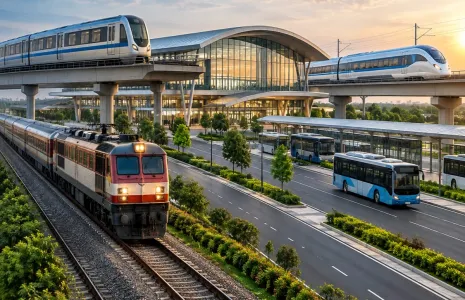
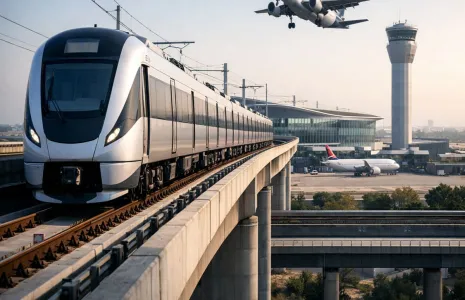
All three corridors are being designed to be interoperable and will converge at Sarai Kale Khan station in Delhi, which will serve as the main interchange hub and link the system with other modes. The network will be integrated with railway stations, inter-state bus terminals, airports and the Delhi Metro to provide multimodal connectivity and improve regional mobility. Officials expect reduced journey times and a boost to industrial development and urban planning in Rajasthan and neighbouring states.

The Regional Rapid Transit System (RRTS) project has advanced after Rajasthan agreed with Haryana to join the Namo Bharat network, allowing Namo Bharat trains to operate between New Delhi and Alwar. The Delhi-Gurugram-SNB-Alwar corridor will start at Sarai Kale Khan in New Delhi and pass through Munirka, Aerocity, Gurugram and Bawal before reaching Khairthal and Alwar via SNB, and a branch from SNB is to extend to Sotanala through Neemrana and Behror. Officials said the move aligns with the Integrated Transport Plan for the National Capital Region (NCR). Authorities said the corridor is expected to benefit industrial hubs in the NCR, including Bhiwadi and Neemrana in Rajasthan, and to generate new investment, employment and economic growth. In the initial phase three corridors are being prioritised: Delhi-Ghaziabad-Meerut, Delhi-Gurugram-SNB-Alwar and Delhi-Panipat-Karnal, with the Delhi-Ghaziabad-Meerut corridor already inaugurated. Planners noted interoperable design will permit through journeys without system changes and ease passenger transfers. The proposed network will span 196 kilometres and include 22 major stations, while in Rajasthan the project will cover 91 kilometres and include six proposed stations to expand commuter access. The corridor will feature state-of-the-art infrastructure and high-speed trains capable of reaching up to 160 kmph, and the RRTS model is presented as a next-generation public transport system for the region with trains able to run at nearly three times the speed of conventional metro services. Elevated dedicated corridors are planned to avoid road congestion and to support timetable reliability. All three corridors are being designed to be interoperable and will converge at Sarai Kale Khan station in Delhi, which will serve as the main interchange hub and link the system with other modes. The network will be integrated with railway stations, inter-state bus terminals, airports and the Delhi Metro to provide multimodal connectivity and improve regional mobility. Officials expect reduced journey times and a boost to industrial development and urban planning in Rajasthan and neighbouring states.

Next Story
Building Material

Dalmia Cement to Acquire 5.2 MnTPA Capacity

Dalmia Cement (Bharat), a wholly owned subsidiary of Dalmia Bharat, has executed a Business Transfer Agreement with Jaiprakash Associates and Adani Infra (India) to acquire cement assets with 5.2 MnTPA capacity in the Central region.The acquisition covers cement plants located at Rewa in Madhya Pradesh, and Churk, Chunar and Sadwa in Uttar Pradesh. The assets include 5.2 MnTPA cement capacity, 3.3 MnTPA clinker capacity, 99 MW thermal power capacity, railway sidings at Rewa and Chunar, and a common railway siding at Churk. The enterprise value of the transaction is Rs 28.5 billion.Following co..

Next Story
Infrastructure Urban

Rampura Agucha Becomes Zinc Mark Certified Mine

Hindustan Zinc’s Rampura Agucha Mine has become India’s first Zinc Mark certified mine, marking a major milestone in responsible zinc production. The mine is the world’s largest underground zinc-lead mine and is operated by Hindustan Zinc, the world’s largest integrated zinc producer.Zinc Mark is a globally recognised assurance framework that validates responsible zinc production against international Environmental, Social and Governance standards, responsible sourcing practices and value chain transparency. The certification strengthens Hindustan Zinc’s ability to offer responsibly ..

Next Story
Infrastructure Urban

Headsup B2B Targets Rs 4 bn Revenue This Fiscal

Headsup B2B, a pan-India procurement and supply chain platform serving the infrastructure, industrial and renewable energy sectors, is targeting Rs 4 billion in revenue for the current fiscal year. The company executed over 2,200 transactions worth Rs 2.5 billion in the previous financial year.Allied infrastructure services contributed nearly 80 per cent of revenue during the period, while renewable energy, industrial automation and road safety solutions emerged as the fastest-growing categories. The company is now expanding its role beyond procurement to support installation, deployment and p..

Advertisement

Subscribe to Our Newsletter

Get daily newsletters around different themes from Construction world.

STAY CONNECTED

Advertisement

Advertisement

Advertisement

-->