India Frames Agrivoltaics Policy to Boost Farmers' Income
POWER & RENEWABLE ENERGY

India Frames Agrivoltaics Policy to Boost Farmers' Income

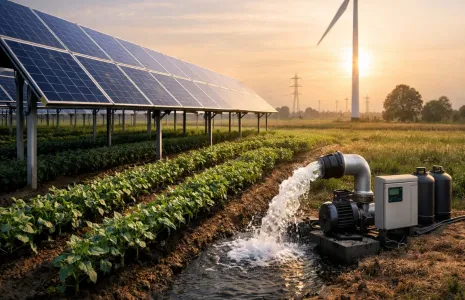
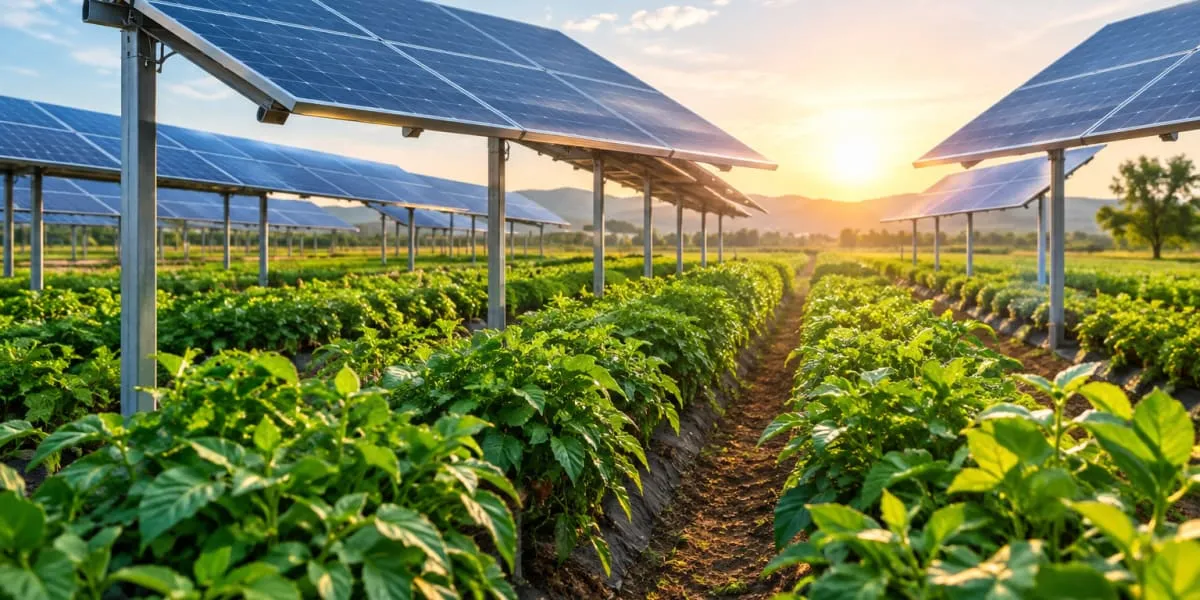
The Indian government is preparing a policy to promote agrivoltaics, which combines crop cultivation and solar power generation on the same land. The initiative is intended to raise farmers’ income while expanding renewable energy capacity and addressing the availability of land for large solar projects.

Union Minister for New and Renewable Energy Pralhad Joshi said around 30 per cent of India’s 160 mn hectares of cropland could be suitable for agrivoltaic projects. He said 4 acres of land are required to install 1 MW of solar capacity, while noting that about 85 per cent of Indian farmers are small and marginal and cannot discontinue cultivation to make land available for solar generation.

Maharashtra, Rajasthan, Andhra Pradesh, Madhya Pradesh, Karnataka and Uttar Pradesh together account for nearly 50 per cent of the country’s estimated agrivoltaic potential. The global agrivoltaic market has exceeded 18.4 GW of installed capacity, and India is examining international models, including support programmes in Italy, preferential tariffs in Japan and crop-yield requirements linked to support in Germany.

Joshi said agrivoltaic plants cost 25 to 30 per cent more than conventional ground-mounted solar projects because of elevated structures and additional infrastructure. Generation costs were estimated at Rs. 3.20 per unit for elevated photovoltaic systems, compared with Rs. 2.60 per unit for ground-mounted projects. Field studies have indicated yield improvements of 10 to 20 per cent for certain crops and water savings of about 30 per cent under suitable systems.

The proposed programme will initially target 5 GW over the next few years and may include a dedicated 10-GW agri-PV component under PM-KUSUM 2.0. Agriculture Minister Shivraj Singh Chouhan said designs must preserve cultivation and allow machinery movement, ploughing and changes in crops. The draft policy will be placed in the public domain for comments from states and other stakeholders. Decentralised solar capacity reached 16.3 GW in the previous year, including 7.6 GW under PM-KUSUM and 8.7 GW under rooftop solar, with the latter serving 6,300,000 beneficiaries.

The Indian government is preparing a policy to promote agrivoltaics, which combines crop cultivation and solar power generation on the same land. The initiative is intended to raise farmers’ income while expanding renewable energy capacity and addressing the availability of land for large solar projects. Union Minister for New and Renewable Energy Pralhad Joshi said around 30 per cent of India’s 160 mn hectares of cropland could be suitable for agrivoltaic projects. He said 4 acres of land are required to install 1 MW of solar capacity, while noting that about 85 per cent of Indian farmers are small and marginal and cannot discontinue cultivation to make land available for solar generation. Maharashtra, Rajasthan, Andhra Pradesh, Madhya Pradesh, Karnataka and Uttar Pradesh together account for nearly 50 per cent of the country’s estimated agrivoltaic potential. The global agrivoltaic market has exceeded 18.4 GW of installed capacity, and India is examining international models, including support programmes in Italy, preferential tariffs in Japan and crop-yield requirements linked to support in Germany. Joshi said agrivoltaic plants cost 25 to 30 per cent more than conventional ground-mounted solar projects because of elevated structures and additional infrastructure. Generation costs were estimated at Rs. 3.20 per unit for elevated photovoltaic systems, compared with Rs. 2.60 per unit for ground-mounted projects. Field studies have indicated yield improvements of 10 to 20 per cent for certain crops and water savings of about 30 per cent under suitable systems. The proposed programme will initially target 5 GW over the next few years and may include a dedicated 10-GW agri-PV component under PM-KUSUM 2.0. Agriculture Minister Shivraj Singh Chouhan said designs must preserve cultivation and allow machinery movement, ploughing and changes in crops. The draft policy will be placed in the public domain for comments from states and other stakeholders. Decentralised solar capacity reached 16.3 GW in the previous year, including 7.6 GW under PM-KUSUM and 8.7 GW under rooftop solar, with the latter serving 6,300,000 beneficiaries.

Related Stories

Gold Stories

Next Story
Infrastructure Transport

Seco Marks 30 Years in India, Strengthens Pune Operations Wins Rs 8.39 Billion Vande Bharat Sleeper Orders

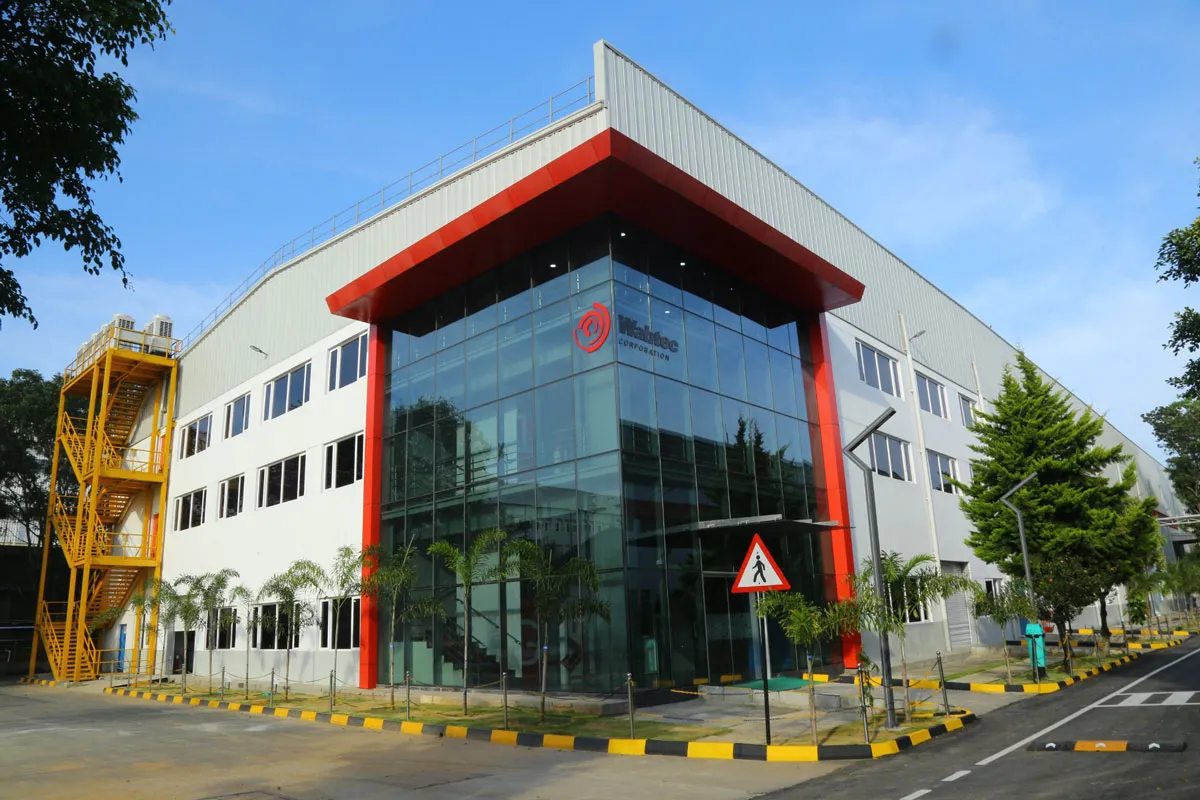
"Wabtec Corporation (NYSE: WAB) has secured orders worth approximately US$94 million (Rs 8.39 billion, or Rs 8,390 million) from Indian Railways for systems for the Vande Bharat Sleeper programme. The equipment is intended to increase service availability, simplify maintenance and improve passenger safety.Wabtec will supply onboard brake systems, doors and gangway solutions. Its scope also includes system delivery, integration support, testing, commissioning and long-term operational reliability support.Pascal Schweitzer, President, Wabtec Transit, said the orders reflect the company’s commi..

Next Story
Real Estate

Godrej Properties Targets Rs. 415 bn Sales Bookings by FY27

Godrej Properties is projected to achieve sales bookings of Rs. 415 bn in FY27, representing 22 per cent growth and exceeding its guidance of Rs. 390 bn. The company attributed the outlook to sustained consumer demand for residential projects across all its markets. Chairperson Pirojsha Godrej said the company remained on track to meet or exceed its annual targets for sales bookings, project launches, customer collections, project deliveries and land acquisition. Sales bookings in the first half of the financial year rose 7 per cent to Rs. 166.59 bn from Rs. 155.87 bn in the year-ago period. T..

Next Story
Infrastructure Urban

RPS Infrastructure Appoints KBE for Rs. 4.5 bn 12th Avenue Phase 3

Faridabad-based real estate developer RPS Infrastructure has awarded a construction contract worth more than Rs. 4.5 bn to KBE-Krishna Buildestates for Phase 3 of its flagship mixed-use development, RPS 12th Avenue. Spread across approximately 9 acres, the phase will include the Crosswalk mall and The Wisterias South, a residential development comprising three ultra-luxury towers. Phase 3 forms part of the wider 34-acre RPS 12th Avenue ecosystem on Main Mathura Road in Sector 27C, Faridabad. KBE will lead construction of the new phase, with the architectural blueprint already completed by glob..

Advertisement

Subscribe to Our Newsletter

Get daily newsletters around different themes from Construction world.

STAY CONNECTED

Advertisement

SPECIAL OFFER
QR Code