India is ranked as the third-largest solar power generator.
POWER & RENEWABLE ENERGY

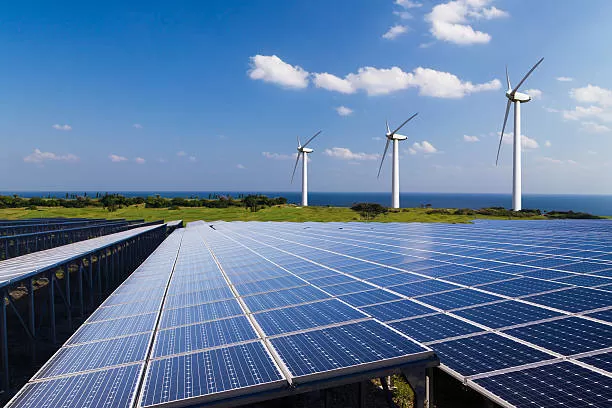
India is ranked as the third-largest solar power generator.

As per global energy think tank Ember, India became the world's third-largest solar power generator, surpassing Japan and improving from ninth place in 2023, driven by significant growth in solar generation. The report also shows the world's fastest-growing electricity source for the nineteenth consecutive year is solar. The report, highlighting 80 countries representing 92% of global electricity demand, found that solar produced a record 5.5% of global electricity in 2023. In line with this trend, India will generate 5.8% of its electricity from solar in 2023. The port has been published by The Global Electricity Review. Aditya Lolla, Ember's Asia Programme Director, stated that a renewables-powered future was now becoming a reality. He further mentioned that solar power, specifically, was experiencing remarkable growth. Lolla concluded that the increase in clean electricity was not only aimed at reducing carbon emissions in the power sector but also necessary to meet the growing electricity demand in an increasingly electrified economy. He emphasised the importance of decoupling economic growth from emissions to effectively address climate change. In India, solar power generation increased by 17 times between 2015 and 2023, whereas globally, it increased by more than six times. India's percentage of power generated by solar energy grew from 0.5% in 2015 to 5.8% in 2023. For the nineteenth year in a row, solar energy remained the fastest-growing electricity source in the world in 2023. In terms of solar generation, India increased by 18 terawatt hours (TWh) in 2023, ranking fourth globally, after China (+156 TWh), the US (+33 TWh), and Brazil (+22 TWh). 75% of the increase in 2023 came from the top four solar-growing countries combined. The Ember study indicates that India will not be able to reach this capacity objective without a major increase in yearly capacity expansions. The decarbonisation of power pathways indicates that solar energy will be essential to the energy system of the future. The IEA's net zero emissions scenario predicts that by 2030, solar energy will account for 22% of the world's power production. The possibility of setting the world on this path lies in the 2030 target set at COP28 to triple global renewable capacity. India is one of the few countries planning to triple its renewable capacity by 2030.

"Join industry leaders at RAHSTA Expo, India's premier platform for roads, highways and traffic infrastructure. Register now to explore innovations, network with experts and shape the future of mobility."

As per global energy think tank Ember, India became the world's third-largest solar power generator, surpassing Japan and improving from ninth place in 2023, driven by significant growth in solar generation. The report also shows the world's fastest-growing electricity source for the nineteenth consecutive year is solar. The report, highlighting 80 countries representing 92% of global electricity demand, found that solar produced a record 5.5% of global electricity in 2023. In line with this trend, India will generate 5.8% of its electricity from solar in 2023. The port has been published by The Global Electricity Review. Aditya Lolla, Ember's Asia Programme Director, stated that a renewables-powered future was now becoming a reality. He further mentioned that solar power, specifically, was experiencing remarkable growth. Lolla concluded that the increase in clean electricity was not only aimed at reducing carbon emissions in the power sector but also necessary to meet the growing electricity demand in an increasingly electrified economy. He emphasised the importance of decoupling economic growth from emissions to effectively address climate change. In India, solar power generation increased by 17 times between 2015 and 2023, whereas globally, it increased by more than six times. India's percentage of power generated by solar energy grew from 0.5% in 2015 to 5.8% in 2023. For the nineteenth year in a row, solar energy remained the fastest-growing electricity source in the world in 2023. In terms of solar generation, India increased by 18 terawatt hours (TWh) in 2023, ranking fourth globally, after China (+156 TWh), the US (+33 TWh), and Brazil (+22 TWh). 75% of the increase in 2023 came from the top four solar-growing countries combined. The Ember study indicates that India will not be able to reach this capacity objective without a major increase in yearly capacity expansions. The decarbonisation of power pathways indicates that solar energy will be essential to the energy system of the future. The IEA's net zero emissions scenario predicts that by 2030, solar energy will account for 22% of the world's power production. The possibility of setting the world on this path lies in the 2030 target set at COP28 to triple global renewable capacity. India is one of the few countries planning to triple its renewable capacity by 2030.

Next Story
Infrastructure Transport

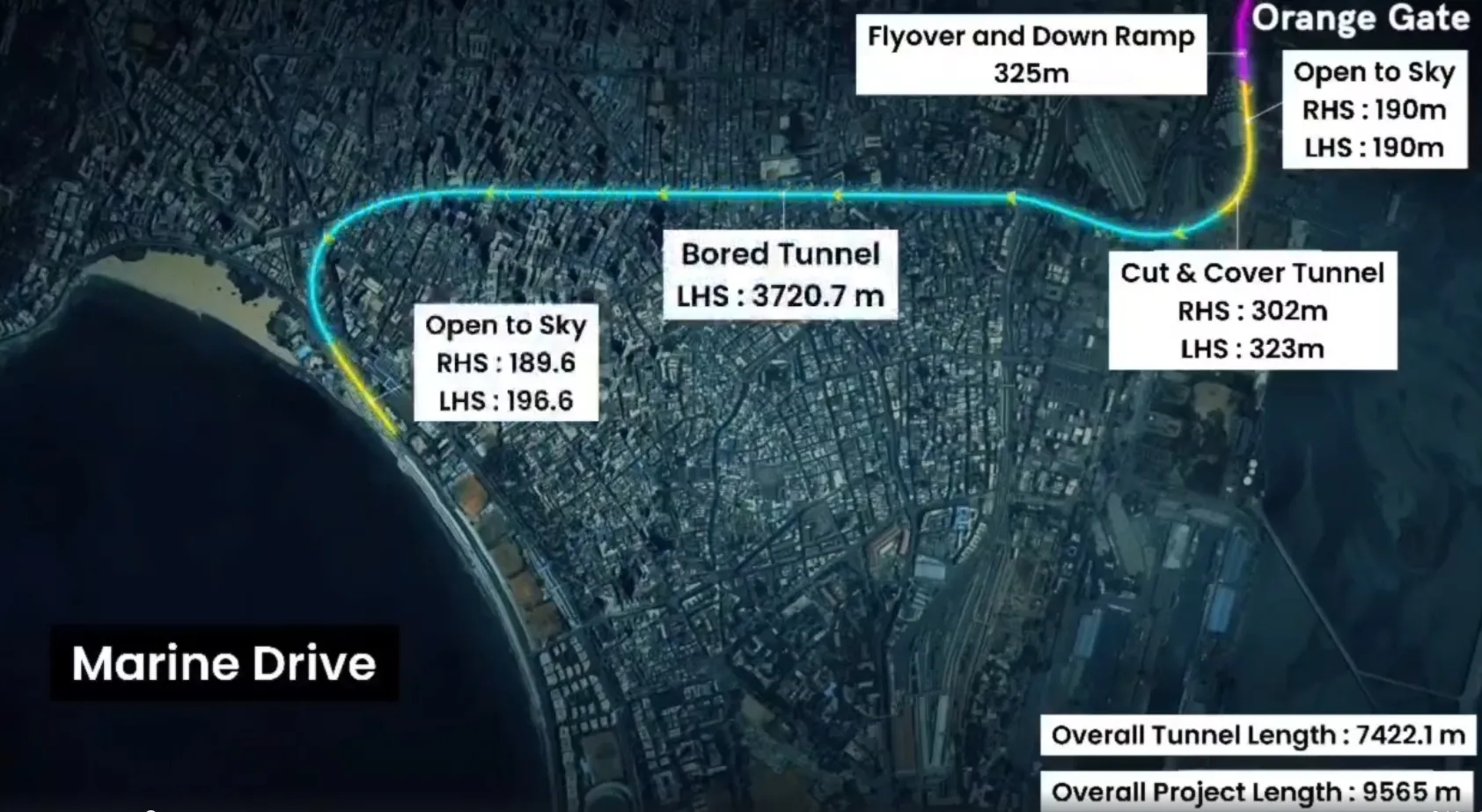
MMRDA advances 250 m on Orange Gate–Marine Drive tunnel

The Mumbai Metropolitan Region Development Authority (MMRDA) has completed 250 m of underground tunnelling for the Orange Gate–Marine Drive Urban Road Tunnel using India’s largest slurry shield tunnel boring machine (TBM) deployed for an urban road project.The project involves twin tunnels extending over 7 km beneath critical transport corridors, including Central Railway, Western Railway and Metro Line 3. The work requires high-precision engineering to navigate densely developed urban infrastructure.Once completed, the tunnel is expected to reduce travel time between Orange Gate and Marin..

Next Story
Infrastructure Urban

Hindustan Zinc Pays Rs 188.46 Billion in FY26

Hindustan Zinc contributed Rs 188.46 billion to the public exchequer in FY 2025-26, according to its 9th Tax Transparency Report. The contribution, equivalent to 46 per cent of the company’s revenue, included direct and indirect taxes, government royalties, dividends to the Government of India, withholding taxes and other statutory levies.The company’s five-year cumulative contribution to the exchequer stood at Rs 915.72 billion. In FY26, Hindustan Zinc reported revenue of Rs 408.44 billion, EBITDA of Rs 221.62 billion and profit after tax of Rs 138.32 billion. It also achieved its highest..

Next Story
Infrastructure Urban

World of Concrete India 2026 Opens in Mumbai

Informa Markets in India will host the 12th edition of World of Concrete India 2026 from 3–5 June 2026 at the Bombay Exhibition Centre, Mumbai. The specialised B2B exhibition will bring together manufacturers, suppliers, contractors, developers, architects, consultants, infrastructure companies, project leaders and government stakeholders.The event is expected to feature over 350 brands and more than 18,000 trade professionals. It will cover concrete and cement, dry mortar, precast technologies, formwork, construction chemicals, industrial and commercial flooring, scaffolding, safety solutio..

Advertisement

Subscribe to Our Newsletter

Get daily newsletters around different themes from Construction world.

STAY CONNECTED

Advertisement

Advertisement

Advertisement