+
India To Top US In Energy Demand In 2040s And China In 2060s
POWER & RENEWABLE ENERGY

India To Top US In Energy Demand In 2040s And China In 2060s

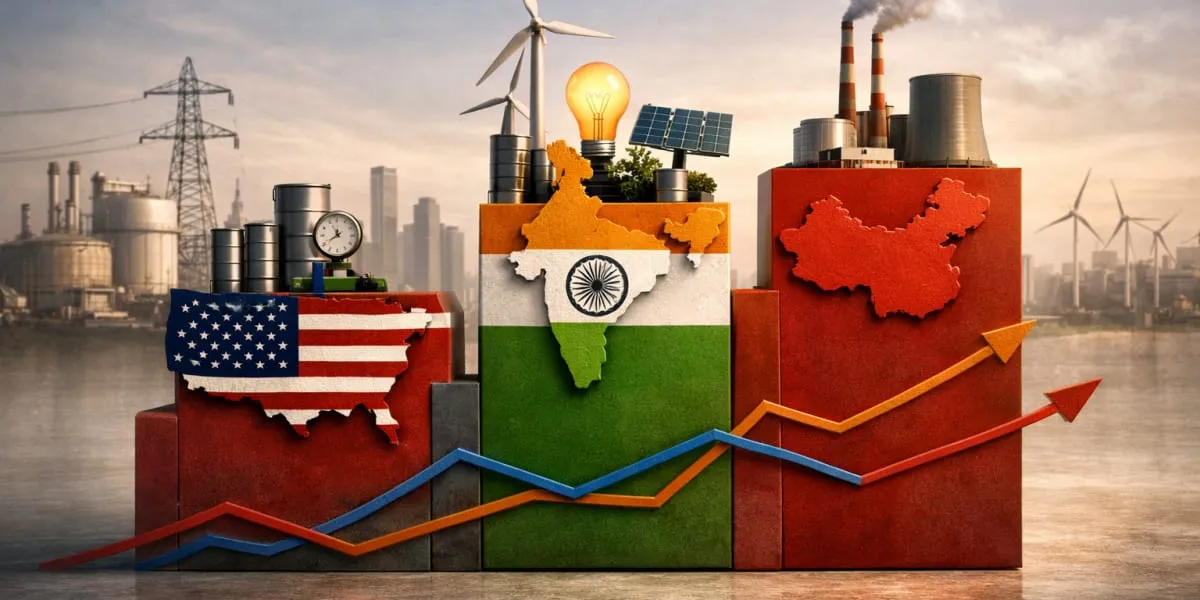
Recent projections indicate that India will surpass the United States in total energy demand in the 2040s and overtake China in the 2060s as its economy and population expand. The shift reflects sustained growth in industrial activity, faster urbanisation and accelerated electrification of transport and buildings. Analysts see a prolonged rise in consumption even as energy intensity improves through technological gains and efficiency measures.

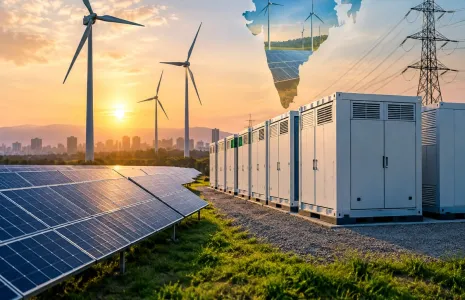
Rising household incomes and expanding manufacturing capacity are expected to drive increased demand for electricity, cooling and mobility services. Renewable generation will need to scale rapidly to meet part of this load while maintaining stability of the grid. Investment in transmission, storage and demand management will therefore be critical to avoid supply shortfalls and price volatility.

The transition will also shape fuel markets as nations balance short term needs with long term decarbonisation goals. There may be continued use of natural gas and other conventional sources during the build out of low carbon alternatives, coupled with accelerated deployment of wind and solar, battery systems and greater electrification of transport. Policymakers will be tasked with aligning incentives, tariffs and regulations to attract private capital at scale.

Global energy security and trade patterns are likely to be affected as demand centres shift, with implications for commodity markets and international cooperation on technology transfer. Strategic planning that emphasises flexible generation, domestic manufacturing of critical components and workforce development can help manage the transition. Firms and governments are therefore urged to prepare for sustained demand growth while pursuing cleaner, affordable and reliable energy pathways.

Financiers and technology providers will play a pivotal role in enabling the necessary scale up of low carbon infrastructure and grid resilience. Long term contracts, risk sharing and targeted public funding can reduce barriers to investment and support local supply chains. Monitoring and adaptive policy will be necessary as projections evolve.

Recent projections indicate that India will surpass the United States in total energy demand in the 2040s and overtake China in the 2060s as its economy and population expand. The shift reflects sustained growth in industrial activity, faster urbanisation and accelerated electrification of transport and buildings. Analysts see a prolonged rise in consumption even as energy intensity improves through technological gains and efficiency measures. Rising household incomes and expanding manufacturing capacity are expected to drive increased demand for electricity, cooling and mobility services. Renewable generation will need to scale rapidly to meet part of this load while maintaining stability of the grid. Investment in transmission, storage and demand management will therefore be critical to avoid supply shortfalls and price volatility. The transition will also shape fuel markets as nations balance short term needs with long term decarbonisation goals. There may be continued use of natural gas and other conventional sources during the build out of low carbon alternatives, coupled with accelerated deployment of wind and solar, battery systems and greater electrification of transport. Policymakers will be tasked with aligning incentives, tariffs and regulations to attract private capital at scale. Global energy security and trade patterns are likely to be affected as demand centres shift, with implications for commodity markets and international cooperation on technology transfer. Strategic planning that emphasises flexible generation, domestic manufacturing of critical components and workforce development can help manage the transition. Firms and governments are therefore urged to prepare for sustained demand growth while pursuing cleaner, affordable and reliable energy pathways. Financiers and technology providers will play a pivotal role in enabling the necessary scale up of low carbon infrastructure and grid resilience. Long term contracts, risk sharing and targeted public funding can reduce barriers to investment and support local supply chains. Monitoring and adaptive policy will be necessary as projections evolve.

Next Story
Real Estate

Perceptive Ideas Designs Structure for Vanijya Bhawan

Perceptive Ideas Consulting Engineers has recently contributed to the structural design of Vanijya Bhawan, a major government office complex located at 16A Akbar Road on the C-Hexagon in New Delhi. The facility serves as the official office of the Ministry of Commerce, Government of India, and represents a blend of modern engineering design with architectural elements reflecting national heritage.The complex houses offices of the Minister of Commerce and Industry, the Secretary’s office and accommodates approximately 1,800–2,000 officers. The project highlights the firm’s capabilities in..

Next Story
Resources

Deepak Halder Appointed CEO Of Sarvottam India

Sarvottam India has appointed Deepak Halder as its Chief Executive Officer. With over 23 years of professional experience, including nearly two decades in the real estate sector, Halder brings extensive leadership and strategic expertise to the organisation. Halder began his career in real estate in 2007 and has held senior leadership roles with developers such as Bestech Group, Paras Buildtech, Hero Realty, ATS Infrastructure and Rajdarbar Group. During his career, he has been involved in strategic expansion, brand positioning, major project launches and revenue growth across residential and..

Next Story
Real Estate

India Drives APAC Office Leasing Growth in 2025: Colliers

Office demand across Asia Pacific’s 11 major markets reached 9.8 million sq m (105.5 million sq ft) in 2025, marking an 11 per cent year-on-year increase, according to Colliers’ Asia Pacific Office Market Insights February 2026 report. India, Mainland China and Japan accounted for over 90 per cent of the region’s total demand during the year, with India emerging as the dominant leasing market.India alone contributed nearly 68 per cent of total office leasing across the region and accounted for 55 per cent of new office supply among the top 11 APAC markets in 2025. The report highlights t..

Advertisement

Subscribe to Our Newsletter

Get daily newsletters around different themes from Construction world.

STAY CONNECTED

Advertisement

Advertisement

Advertisement

Open In App