India’s Wind Power Capacity May Reach 14 GW a Year by 2030
POWER & RENEWABLE ENERGY

India’s Wind Power Capacity May Reach 14 GW a Year by 2030

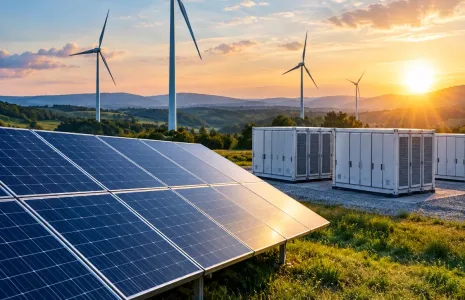
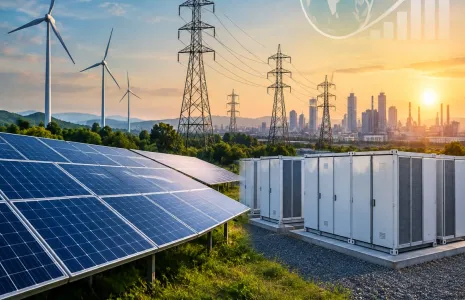
India’s annual wind power installations could reach 14 gigawatts (GW) by 2030, more than double the additions recorded in 2025, as electricity buyers seek renewable power beyond daylight hours. Suzlon co-founder Girish Tanti expects installations of about 8 GW in 2026, compared with a record 6.3 GW in 2025.

India had 171.05 GW of installed solar capacity as of September 30, compared with 59.20 GW of wind capacity, according to the Ministry of New and Renewable Energy (MNRE). The difference highlights the distinct operating patterns of the two sources. Solar output falls towards evening and stops after sunset, while wind turbines can generate power at night when wind speeds are adequate.

The Centre for Research on Energy and Clean Air found that daily peak electricity demand occurred during solar-generation hours on 62 of the 92 days between July and September 2026. However, supply must still be managed when renewable generation is high. Grid operators can reduce output because of transmission or operational constraints, a process known as curtailment.

India curtailed approximately 1.835 bn units of renewable electricity during July and August, including 1.462 bn units of solar power and 373 mn units of wind power, according to the research group. Wind and solar projects can complement each other across the day, while batteries can store electricity when generation is available and release it when supply falls or demand rises.

The Solar Energy Corporation of India has issued tenders for wind-solar hybrid projects and firm, dispatchable renewable energy, including a 1,000 MW round-the-clock power tender in March 2026. India added 6.05 GW of wind capacity in FY2025-26, and the government is targeting 100 GW of total installed wind capacity by 2030. Cabinet approval for Phase III of the Green Energy Corridor includes transmission infrastructure for up to 135 GW of renewable capacity and 50 gigawatt-hours of battery storage, with an estimated outlay of Rs. 1.86 tn. Suzlon is also expanding towards integrated wind, solar and battery solutions.

India’s annual wind power installations could reach 14 gigawatts (GW) by 2030, more than double the additions recorded in 2025, as electricity buyers seek renewable power beyond daylight hours. Suzlon co-founder Girish Tanti expects installations of about 8 GW in 2026, compared with a record 6.3 GW in 2025. India had 171.05 GW of installed solar capacity as of September 30, compared with 59.20 GW of wind capacity, according to the Ministry of New and Renewable Energy (MNRE). The difference highlights the distinct operating patterns of the two sources. Solar output falls towards evening and stops after sunset, while wind turbines can generate power at night when wind speeds are adequate. The Centre for Research on Energy and Clean Air found that daily peak electricity demand occurred during solar-generation hours on 62 of the 92 days between July and September 2026. However, supply must still be managed when renewable generation is high. Grid operators can reduce output because of transmission or operational constraints, a process known as curtailment. India curtailed approximately 1.835 bn units of renewable electricity during July and August, including 1.462 bn units of solar power and 373 mn units of wind power, according to the research group. Wind and solar projects can complement each other across the day, while batteries can store electricity when generation is available and release it when supply falls or demand rises. The Solar Energy Corporation of India has issued tenders for wind-solar hybrid projects and firm, dispatchable renewable energy, including a 1,000 MW round-the-clock power tender in March 2026. India added 6.05 GW of wind capacity in FY2025-26, and the government is targeting 100 GW of total installed wind capacity by 2030. Cabinet approval for Phase III of the Green Energy Corridor includes transmission infrastructure for up to 135 GW of renewable capacity and 50 gigawatt-hours of battery storage, with an estimated outlay of Rs. 1.86 tn. Suzlon is also expanding towards integrated wind, solar and battery solutions.

Related Stories

Gold Stories

Next Story
Infrastructure Urban

Goyal & Co. invests Rs 8.2 bn in Bengaluru's Titanium Tech Park

Goyal & Co. has invested approximately Rs 8.2 billion in Titanium Tech Park, a large-scale commercial development in Bengaluru's Whitefield Technology Corridor. Spread across 25 acres, the project has a total development potential of 5 million sq ft, with global companies Airbus and Caterpillar among its key occupiers.The development is planned in multiple phases, featuring Grade A office infrastructure, modern building systems and integrated employee amenities. Phase 1 comprises two operational G+15 office blocks offering 880,000 sq ft and 622,000 sq ft, respectively. Phase 2 will include..
Next Story
Infrastructure Urban

Tata Motors appoints GAMCO as commercial vehicle distributor in Syria

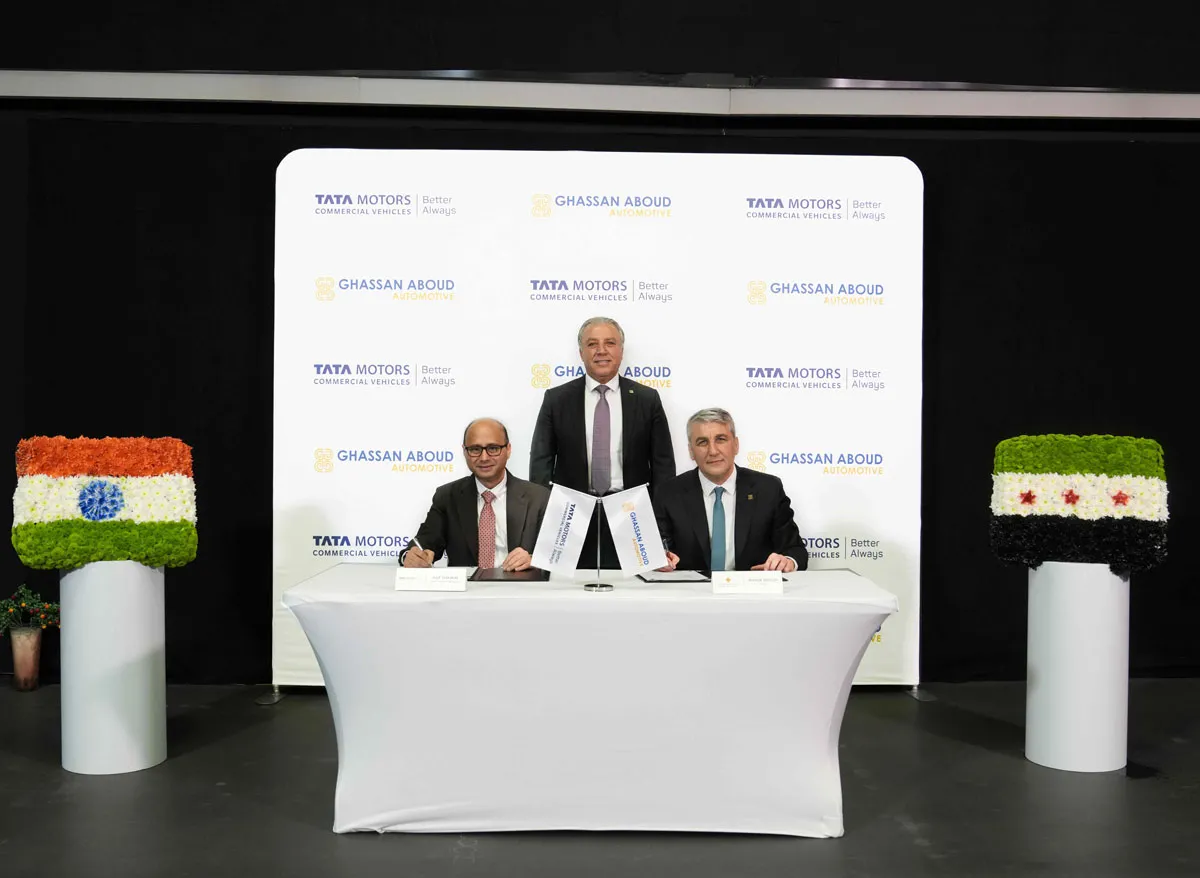
Tata Motors has signed a distribution agreement with Ghassan Aboud Automotive, appointing its subsidiary, Grand Auto & Machinery Co. (GAMCO), as the official distributor of Tata Motors commercial vehicles in Syria. The partnership aims to strengthen transportation, logistics and construction operations across the country while supporting its economic recovery and reconstruction.Under the agreement, GAMCO will introduce Tata Motors' commercial vehicle portfolio to the Syrian market, including cargo vehicles with capacities ranging from under one tonne to 60 tonnes and passenger transport so..

Next Story
Infrastructure Urban

EUROBOND sales rise 17.15% to Rs 1.52 bn in Q2 FY27

EUROBOND, the flagship brand of Euro Panel Products, reported a 17.15 per cent year-on-year increase in net sales to Rs 1.52 billion for the second quarter ended September 30, 2026. The company also registered a 27 per cent sequential growth in sales, supported by increasing order volumes and demand from the infrastructure and commercial construction sectors.Profit before tax stood at Rs 68.3 million during the quarter, reflecting the company's continued business expansion.The company recorded metal panel sales of 383,324 sq m in Q2 FY27, representing a 22.68 per cent increase compared to 312,..

Advertisement

Subscribe to Our Newsletter

Get daily newsletters around different themes from Construction world.

STAY CONNECTED

Advertisement

SPECIAL OFFER
QR Code