Wind Addition Can Cut Firm Solar-BESS Power Costs by 18%
POWER & RENEWABLE ENERGY

Wind Addition Can Cut Firm Solar-BESS Power Costs by 18%

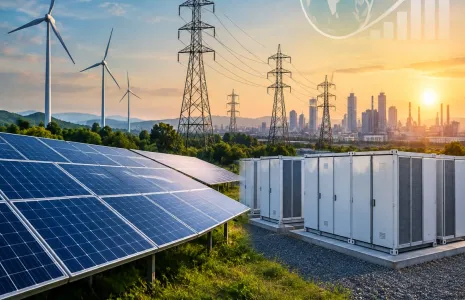
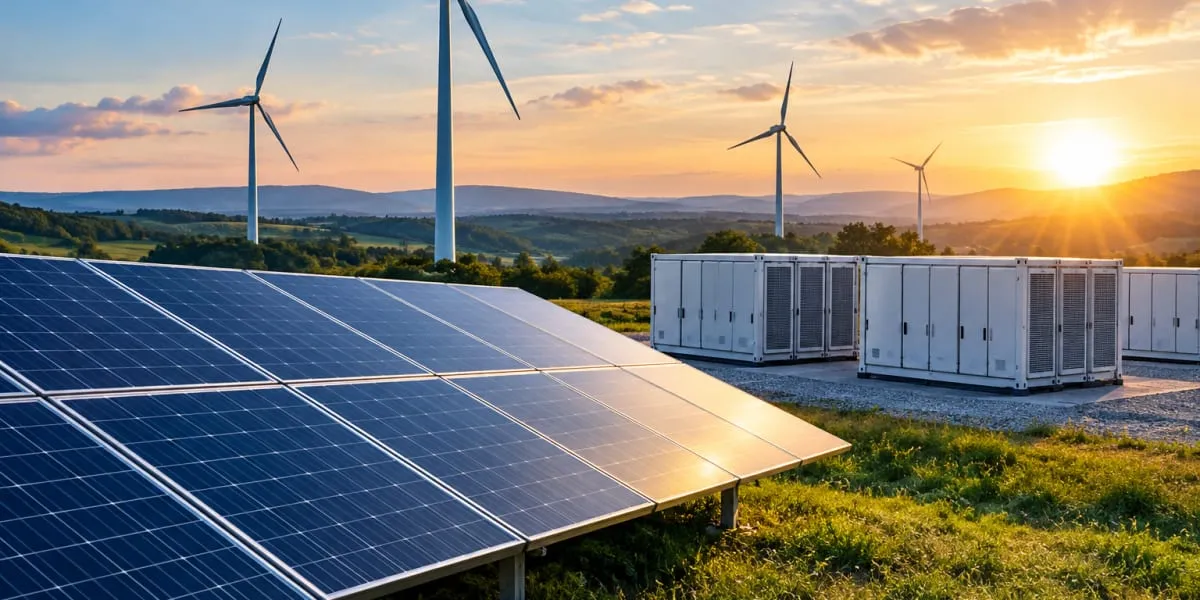
Combining wind power with solar and battery energy storage systems (BESS) could reduce the cost of delivering reliable renewable electricity by nearly one-fifth, according to an analysis by energy think tank Ember. Its report, Harnessing the Winds, puts the median cost of meeting 90% of electricity demand at $86/MWh with wind added, compared with $105/MWh for solar and batteries alone.

The analysis highlights the value of combining renewable sources with different generation patterns. Solar produces most of its electricity during daylight hours, while wind generation can follow different daily and seasonal trends. This complementarity can reduce the battery capacity needed to maintain supply when renewable output falls.

Ember’s modelling shows that the battery requirement for achieving 90% power supply reliability declines from 24 hours of load to 10 hours in Canada when wind is added. The requirement falls from 20 hours to 12 hours in the US and Europe, while China sees a reduction from 18 hours to 12 hours. In India, however, the modelled requirement remains at 14 hours.

The report finds that solar records a week-long period of generation below half its average output about four times a year globally, while similar low-generation periods for wind occur around eight times annually. Periods when both sources experience such conditions simultaneously occur only once every four years on average, improving resilience to weather-related fluctuations.

Ember estimates that regions representing three-quarters of global electricity demand could achieve 90% renewable power uptime at less than $100/MWh with wind included. Firm solar and wind power, supported by batteries and limited backup generation, could also compete with approximately 706 GW of the 845 GW of coal and gas capacity in development, compared with 520 GW without wind. The report projects firm solar and wind costs will decline from $89/MWh to $52/MWh by 2050.

Combining wind power with solar and battery energy storage systems (BESS) could reduce the cost of delivering reliable renewable electricity by nearly one-fifth, according to an analysis by energy think tank Ember. Its report, Harnessing the Winds, puts the median cost of meeting 90% of electricity demand at $86/MWh with wind added, compared with $105/MWh for solar and batteries alone. The analysis highlights the value of combining renewable sources with different generation patterns. Solar produces most of its electricity during daylight hours, while wind generation can follow different daily and seasonal trends. This complementarity can reduce the battery capacity needed to maintain supply when renewable output falls. Ember’s modelling shows that the battery requirement for achieving 90% power supply reliability declines from 24 hours of load to 10 hours in Canada when wind is added. The requirement falls from 20 hours to 12 hours in the US and Europe, while China sees a reduction from 18 hours to 12 hours. In India, however, the modelled requirement remains at 14 hours. The report finds that solar records a week-long period of generation below half its average output about four times a year globally, while similar low-generation periods for wind occur around eight times annually. Periods when both sources experience such conditions simultaneously occur only once every four years on average, improving resilience to weather-related fluctuations. Ember estimates that regions representing three-quarters of global electricity demand could achieve 90% renewable power uptime at less than $100/MWh with wind included. Firm solar and wind power, supported by batteries and limited backup generation, could also compete with approximately 706 GW of the 845 GW of coal and gas capacity in development, compared with 520 GW without wind. The report projects firm solar and wind costs will decline from $89/MWh to $52/MWh by 2050.

Related Stories

Gold Stories

Next Story
Infrastructure Urban

Goyal & Co. invests Rs 8.2 bn in Bengaluru's Titanium Tech Park

Goyal & Co. has invested approximately Rs 8.2 billion in Titanium Tech Park, a large-scale commercial development in Bengaluru's Whitefield Technology Corridor. Spread across 25 acres, the project has a total development potential of 5 million sq ft, with global companies Airbus and Caterpillar among its key occupiers.The development is planned in multiple phases, featuring Grade A office infrastructure, modern building systems and integrated employee amenities. Phase 1 comprises two operational G+15 office blocks offering 880,000 sq ft and 622,000 sq ft, respectively. Phase 2 will include..
Next Story
Infrastructure Urban

Tata Motors appoints GAMCO as commercial vehicle distributor in Syria

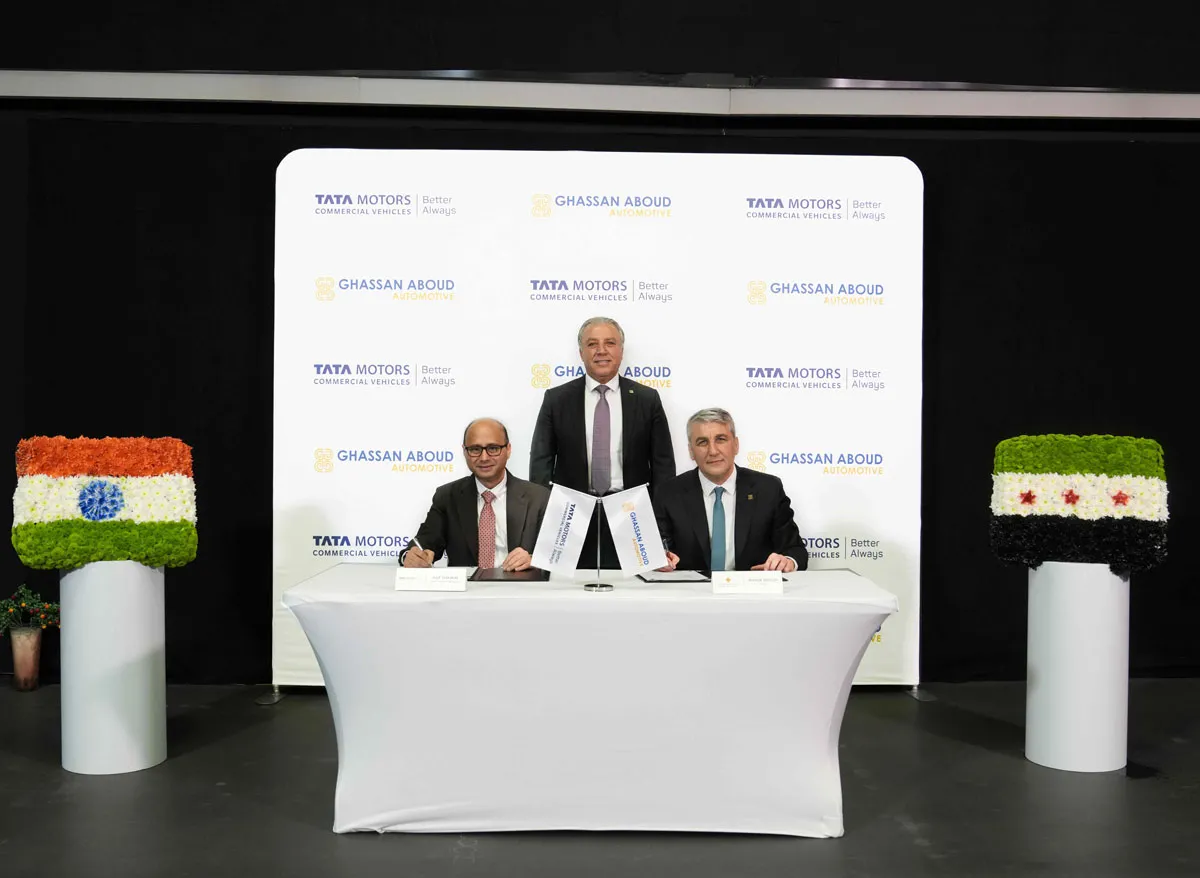
Tata Motors has signed a distribution agreement with Ghassan Aboud Automotive, appointing its subsidiary, Grand Auto & Machinery Co. (GAMCO), as the official distributor of Tata Motors commercial vehicles in Syria. The partnership aims to strengthen transportation, logistics and construction operations across the country while supporting its economic recovery and reconstruction.Under the agreement, GAMCO will introduce Tata Motors' commercial vehicle portfolio to the Syrian market, including cargo vehicles with capacities ranging from under one tonne to 60 tonnes and passenger transport so..

Next Story
Infrastructure Urban

EUROBOND sales rise 17.15% to Rs 1.52 bn in Q2 FY27

EUROBOND, the flagship brand of Euro Panel Products, reported a 17.15 per cent year-on-year increase in net sales to Rs 1.52 billion for the second quarter ended September 30, 2026. The company also registered a 27 per cent sequential growth in sales, supported by increasing order volumes and demand from the infrastructure and commercial construction sectors.Profit before tax stood at Rs 68.3 million during the quarter, reflecting the company's continued business expansion.The company recorded metal panel sales of 383,324 sq m in Q2 FY27, representing a 22.68 per cent increase compared to 312,..

Advertisement

Subscribe to Our Newsletter

Get daily newsletters around different themes from Construction world.

STAY CONNECTED

Advertisement

SPECIAL OFFER
QR Code