Indus Towers Sees 5-6 Per Cent Growth, Targets 100,000 Solar Sites
POWER & RENEWABLE ENERGY

Indus Towers Sees 5-6 Per Cent Growth, Targets 100,000 Solar Sites

Indus Towers expects revenue growth of 5 to 6 per cent to continue, supported by expansion in its tower and co-location base, Managing Director and Chief Executive Officer Prachur Sah said. He described the pace as reasonable for a company with a large existing network, while noting that additional loading from future 5G and 6G deployments could provide further support.

Sah said demand remained healthy despite expectations that tower additions would slow after peak 5G rollouts in FY24 and FY25. He attributed the pipeline to continuing network expansion by telecom operators and rising data consumption in India, which has reached about 30 to 40 GB per person in urban areas. The company expects tower requirements to remain robust as cities expand.

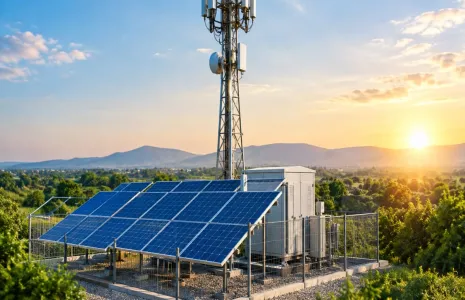
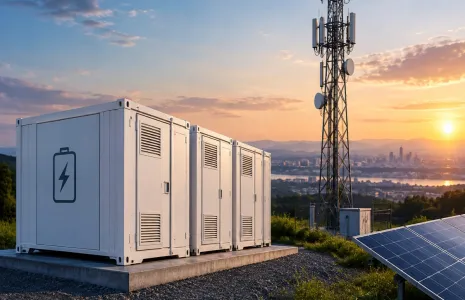
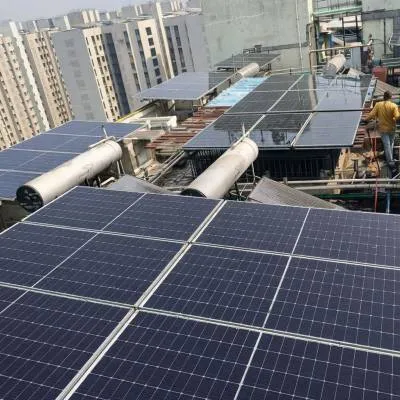
The company is also expanding its renewable-energy programme and plans to increase solar-powered telecom sites from 50,000 to 100,000 by early or mid-FY29. It began the initiative around the middle to late part of FY24 and has integrated about 300 MW of distributed solar capacity across its network. Diesel consumption fell 11 per cent in the first half of the current financial year from a year earlier.

Energy costs are largely passed on to telecom customers, but solar investments also generate service revenue through rental income from the infrastructure, supporting margins. Sah did not disclose the total investment, citing competitive considerations, but said the site count would double over the next couple of years.

Indus Towers has begun a greenfield international expansion in Uganda, Zambia and Nigeria. It secured licences over the past year and started deploying towers in Uganda and Zambia in September. The Africa business is intended as a long-term growth platform based on lower tower costs and reduced energy expenses for customers, although its financial contribution remains immaterial at this early stage. The company expects to provide greater visibility over the next few quarters as deployments gain scale.

Indus Towers expects revenue growth of 5 to 6 per cent to continue, supported by expansion in its tower and co-location base, Managing Director and Chief Executive Officer Prachur Sah said. He described the pace as reasonable for a company with a large existing network, while noting that additional loading from future 5G and 6G deployments could provide further support. Sah said demand remained healthy despite expectations that tower additions would slow after peak 5G rollouts in FY24 and FY25. He attributed the pipeline to continuing network expansion by telecom operators and rising data consumption in India, which has reached about 30 to 40 GB per person in urban areas. The company expects tower requirements to remain robust as cities expand. The company is also expanding its renewable-energy programme and plans to increase solar-powered telecom sites from 50,000 to 100,000 by early or mid-FY29. It began the initiative around the middle to late part of FY24 and has integrated about 300 MW of distributed solar capacity across its network. Diesel consumption fell 11 per cent in the first half of the current financial year from a year earlier. Energy costs are largely passed on to telecom customers, but solar investments also generate service revenue through rental income from the infrastructure, supporting margins. Sah did not disclose the total investment, citing competitive considerations, but said the site count would double over the next couple of years. Indus Towers has begun a greenfield international expansion in Uganda, Zambia and Nigeria. It secured licences over the past year and started deploying towers in Uganda and Zambia in September. The Africa business is intended as a long-term growth platform based on lower tower costs and reduced energy expenses for customers, although its financial contribution remains immaterial at this early stage. The company expects to provide greater visibility over the next few quarters as deployments gain scale.

Related Stories

Gold Stories

Next Story
Infrastructure Energy

Essar Signs PPA for 300 MW Hybrid Renewable Energy Project

Essar Renewables, the renewable energy arm of Essar Power, has signed a Power Purchase Agreement (PPA) with NHPC for a 300 MW renewable energy project in Andhra Pradesh. The agreement follows the company’s successful bid for the project two years ago. Essar Power will invest approximately Rs. 45 bn in the development. The project will combine solar and wind generation with Battery Energy Storage Systems (BESS), enabling the supply of reliable and dispatchable renewable power. It forms part of Essar Power’s plan to build a diversified energy portfolio of approximately 5 GW across renewable,..

Next Story
Infrastructure Energy

India Reaffirms Commitment to Global Solar Cooperation

India has reaffirmed its commitment to international solar cooperation and the equitable distribution of the benefits of renewable energy development, Union Minister for New and Renewable Energy Pralhad Joshi said in New Delhi. His remarks followed the Bharat Renewable Energy Summit and Expo 2026, where he highlighted India’s election as president of the International Solar Alliance (ISA) for a third consecutive term. Joshi said discussions at the event had reinforced the need to move from solar commitments to investments, partnerships to projects, and ambition to measurable impact. He said ..

Next Story
Infrastructure Energy

CERC Adopts Tariffs for SECI's 400 MW Solar Projects

The Central Electricity Regulatory Commission (CERC) has adopted tariffs for 400 MW of solar power capacity under a petition filed by the Solar Energy Corporation of India (SECI). The order, issued on November 2, 2026, covers projects being developed through special purpose vehicles of Azure Power India, with electricity scheduled for supply to Tata Steel and the West Bengal State Electricity Distribution Company. The tariff adoption follows a global competitive bidding process launched by SECI on June 25, 2019. The tender covered 7 GW of inter-state transmission system-connected solar power p..

Advertisement

Subscribe to Our Newsletter

Get daily newsletters around different themes from Construction world.

STAY CONNECTED

Advertisement

SPECIAL OFFER
QR Code