Indus Towers Deploys 50,000 Solar-Powered Telecom Sites
POWER & RENEWABLE ENERGY

Indus Towers Deploys 50,000 Solar-Powered Telecom Sites

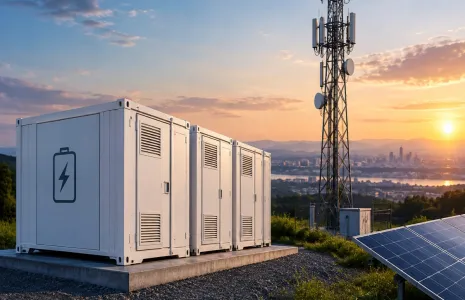
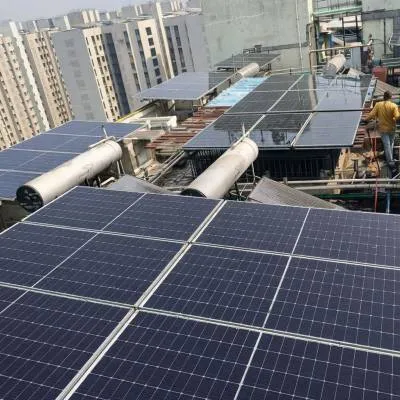
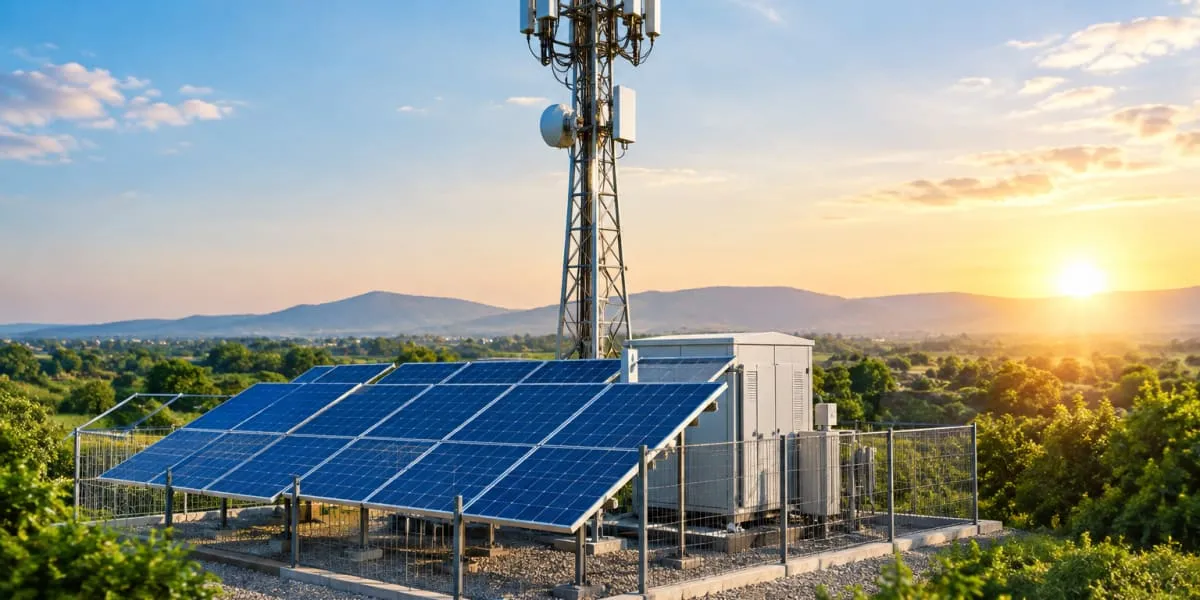
Indus Towers has deployed 50,000 solar-powered telecom sites across India, with a cumulative installed solar capacity of approximately 300 MW, as it expands renewable energy use across its infrastructure network. The company is targeting 100,000 such sites, positioning the programme among the largest distributed solar deployments in the telecom infrastructure sector.

In a statement, Indus Towers said it had become the first passive telecom infrastructure company to reach the 50,000-site milestone in India. The deployment is intended to reduce reliance on conventional energy, strengthen power security and support more sustainable operations for telecom infrastructure.

The company estimates that its solar-powered network will reduce carbon emissions by approximately 420,000 tonnes annually. It said the environmental benefit is equivalent to planting nearly 20 mn trees. Solar energy is being used as telecom tower operators seek to manage energy requirements while maintaining reliable services across geographically dispersed sites.

Indus Towers has also integrated digital monitoring systems across the solar-powered network to track generation and site performance in real time. Data-driven maintenance capabilities are being used to manage the infrastructure, improve operational resilience and identify performance issues. The company accelerated its solar deployment programme in 2024, according to Managing Director and Chief Executive Officer Prachur Sah.

The company is assessing the possibility of taking its renewable energy model to international markets, particularly Africa, where it sees demand for reliable and sustainable power solutions to support wider digital connectivity. It said the expertise, operating model and technology platforms developed in India could help replicate similar infrastructure there. Indus Towers added that combining renewable energy with digital monitoring is helping lower diesel dependence, improve energy security and support greener telecom connectivity.

Indus Towers has deployed 50,000 solar-powered telecom sites across India, with a cumulative installed solar capacity of approximately 300 MW, as it expands renewable energy use across its infrastructure network. The company is targeting 100,000 such sites, positioning the programme among the largest distributed solar deployments in the telecom infrastructure sector. In a statement, Indus Towers said it had become the first passive telecom infrastructure company to reach the 50,000-site milestone in India. The deployment is intended to reduce reliance on conventional energy, strengthen power security and support more sustainable operations for telecom infrastructure. The company estimates that its solar-powered network will reduce carbon emissions by approximately 420,000 tonnes annually. It said the environmental benefit is equivalent to planting nearly 20 mn trees. Solar energy is being used as telecom tower operators seek to manage energy requirements while maintaining reliable services across geographically dispersed sites. Indus Towers has also integrated digital monitoring systems across the solar-powered network to track generation and site performance in real time. Data-driven maintenance capabilities are being used to manage the infrastructure, improve operational resilience and identify performance issues. The company accelerated its solar deployment programme in 2024, according to Managing Director and Chief Executive Officer Prachur Sah. The company is assessing the possibility of taking its renewable energy model to international markets, particularly Africa, where it sees demand for reliable and sustainable power solutions to support wider digital connectivity. It said the expertise, operating model and technology platforms developed in India could help replicate similar infrastructure there. Indus Towers added that combining renewable energy with digital monitoring is helping lower diesel dependence, improve energy security and support greener telecom connectivity.

Related Stories

Gold Stories

Next Story
Infrastructure Energy

Essar Signs PPA for 300 MW Hybrid Renewable Energy Project

Essar Renewables, the renewable energy arm of Essar Power, has signed a Power Purchase Agreement (PPA) with NHPC for a 300 MW renewable energy project in Andhra Pradesh. The agreement follows the company’s successful bid for the project two years ago. Essar Power will invest approximately Rs. 45 bn in the development. The project will combine solar and wind generation with Battery Energy Storage Systems (BESS), enabling the supply of reliable and dispatchable renewable power. It forms part of Essar Power’s plan to build a diversified energy portfolio of approximately 5 GW across renewable,..

Next Story
Infrastructure Energy

India Reaffirms Commitment to Global Solar Cooperation

India has reaffirmed its commitment to international solar cooperation and the equitable distribution of the benefits of renewable energy development, Union Minister for New and Renewable Energy Pralhad Joshi said in New Delhi. His remarks followed the Bharat Renewable Energy Summit and Expo 2026, where he highlighted India’s election as president of the International Solar Alliance (ISA) for a third consecutive term. Joshi said discussions at the event had reinforced the need to move from solar commitments to investments, partnerships to projects, and ambition to measurable impact. He said ..

Next Story
Infrastructure Energy

CERC Adopts Tariffs for SECI's 400 MW Solar Projects

The Central Electricity Regulatory Commission (CERC) has adopted tariffs for 400 MW of solar power capacity under a petition filed by the Solar Energy Corporation of India (SECI). The order, issued on November 2, 2026, covers projects being developed through special purpose vehicles of Azure Power India, with electricity scheduled for supply to Tata Steel and the West Bengal State Electricity Distribution Company. The tariff adoption follows a global competitive bidding process launched by SECI on June 25, 2019. The tender covered 7 GW of inter-state transmission system-connected solar power p..

Advertisement

Subscribe to Our Newsletter

Get daily newsletters around different themes from Construction world.

STAY CONNECTED

Advertisement

SPECIAL OFFER
QR Code