JSW Energy to purchase renewable assets from Mytrah Energy
Related Stories





Gold Stories



Anshul Singhal launches Vantrock with Rs 42 billion development plan
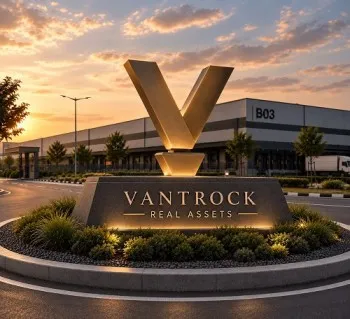
Real estate professional Anshul Singhal has launched Vantrock Real Assets Private Limited (VRAPL), a Mumbai-headquartered platform focused initially on warehousing, industrial and logistics parks. The company plans to develop approximately 11.5 million sq ft of assets, with an estimated gross development value (GDV) of Rs 42 billion (approximately USD 434 million) on completion.The first phase will cover around 3 million sq ft across the National Capital Region (NCR), Bengaluru and Pune, with an estimated development value of Rs 11 billion (approximately USD 113 million). Construction is sched..
Afcons wins CII award for biodiversity management
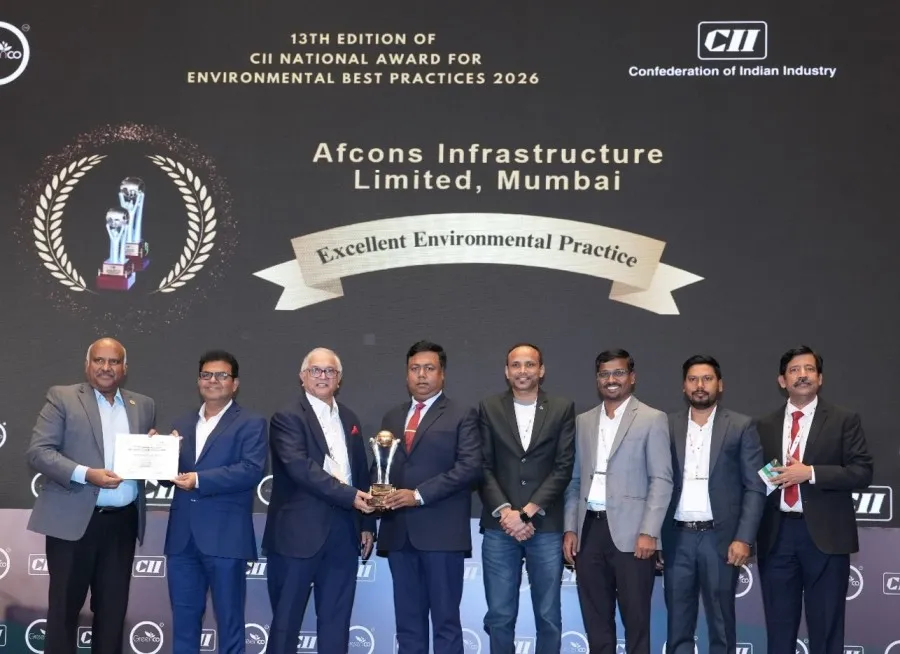
Afcons Infrastructure has received the Confederation of Indian Industry (CII) National Award for Environmental Best Practices 2026 in the Biodiversity Management category for its work on the Mumbai-Ahmedabad High Speed Rail Project’s C-2 package.The award was presented at a ceremony in Chennai on 9 October 2026. It was received by Mihir Mishra, Vice-President, CPE, and Sumon Paul, Assistant General Manager, HSE, along with the Afcons team.The project adopted several resource recovery and waste management practices. These included recycling concrete washout waste to recover sand, aggregates a..
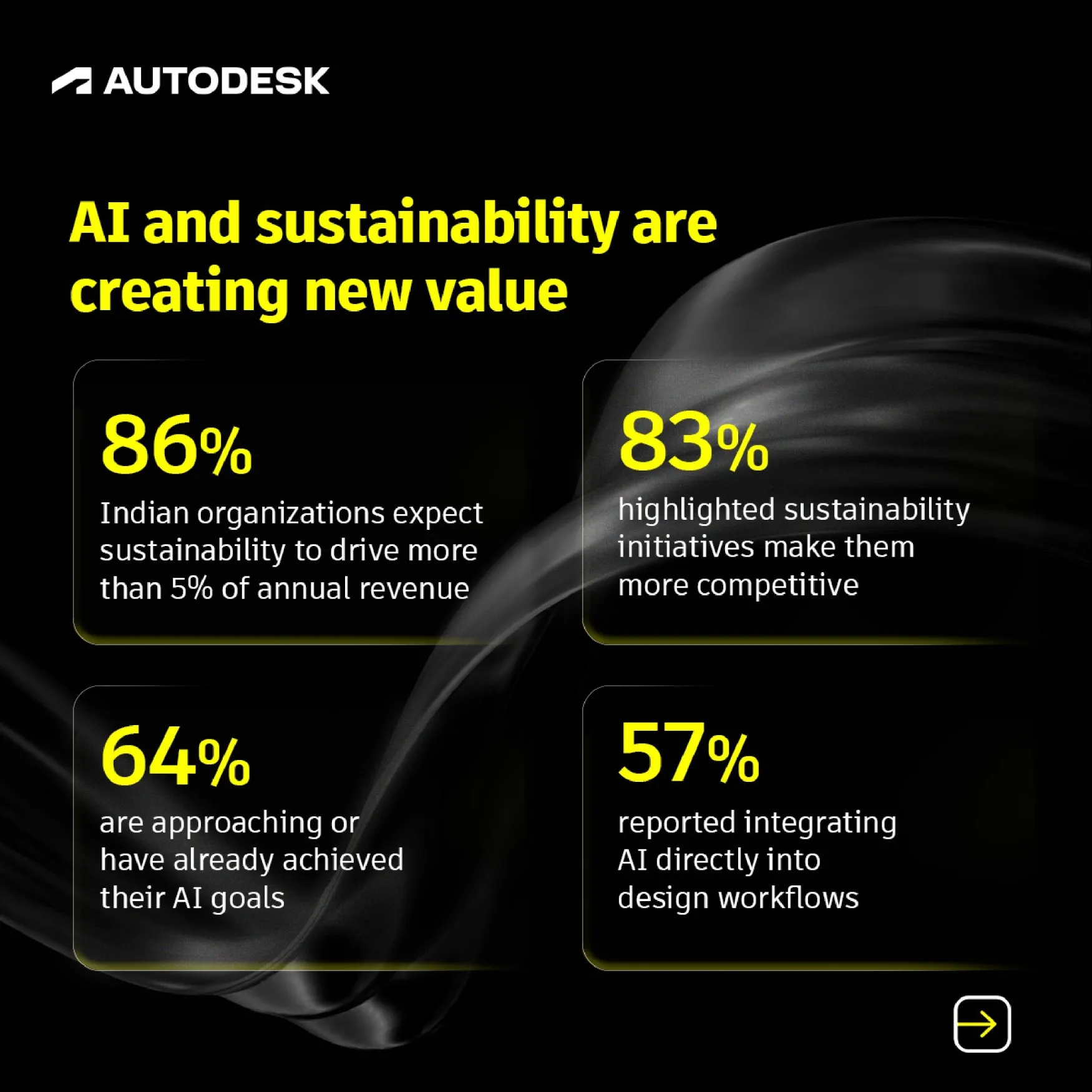
Indian businesses lead globally in planned AI investment, says Autodesk
Indian organisations are moving towards deeper integration of artificial intelligence (AI), digital technologies and sustainability into business operations, according to Autodesk’s 2026 State of Design & Make report. The fourth edition of the annual study highlights growing AI adoption, measurable outcomes from digital transformation and the role of sustainability in long-term business growth.The report found that 64 per cent of Indian organisations are approaching or have achieved their current AI goals. While 88 per cent believe AI will enhance their industry, up from 78 per cent in 2..
Related Articles
Latest Updates